Design And Inspection · 10 min read
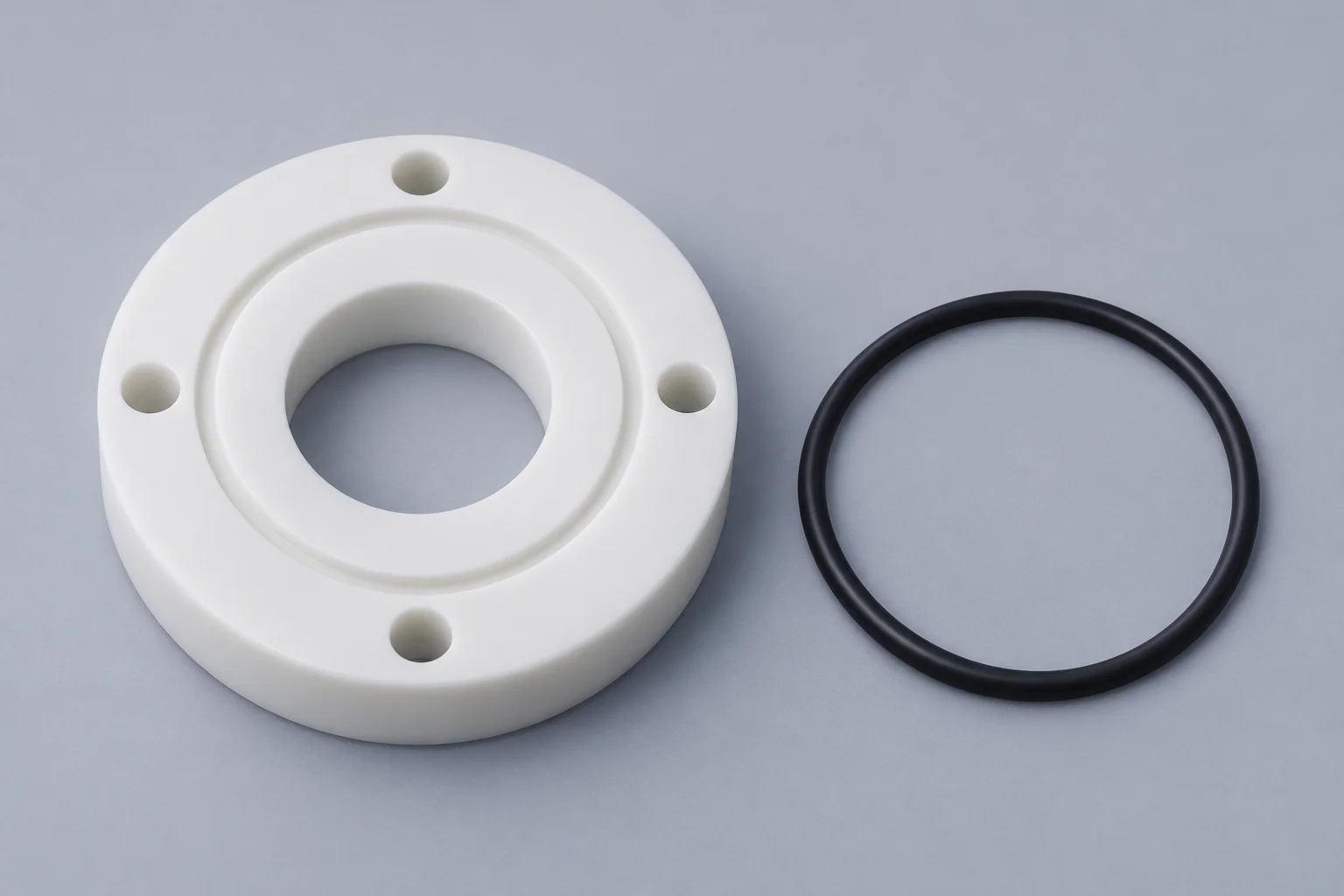
Plastic O-Ring Groove Design: Sealing, Tolerances And Inspection
Review the seal, plastic gland geometry, surface condition and acceptance evidence before ordering machined O-ring grooves.
Read the guide →
Practical guides to materials, manufacturing routes and drawing-based sourcing.
Review the seal, plastic gland geometry, surface condition and acceptance evidence before ordering machined O-ring grooves.
Read the guide →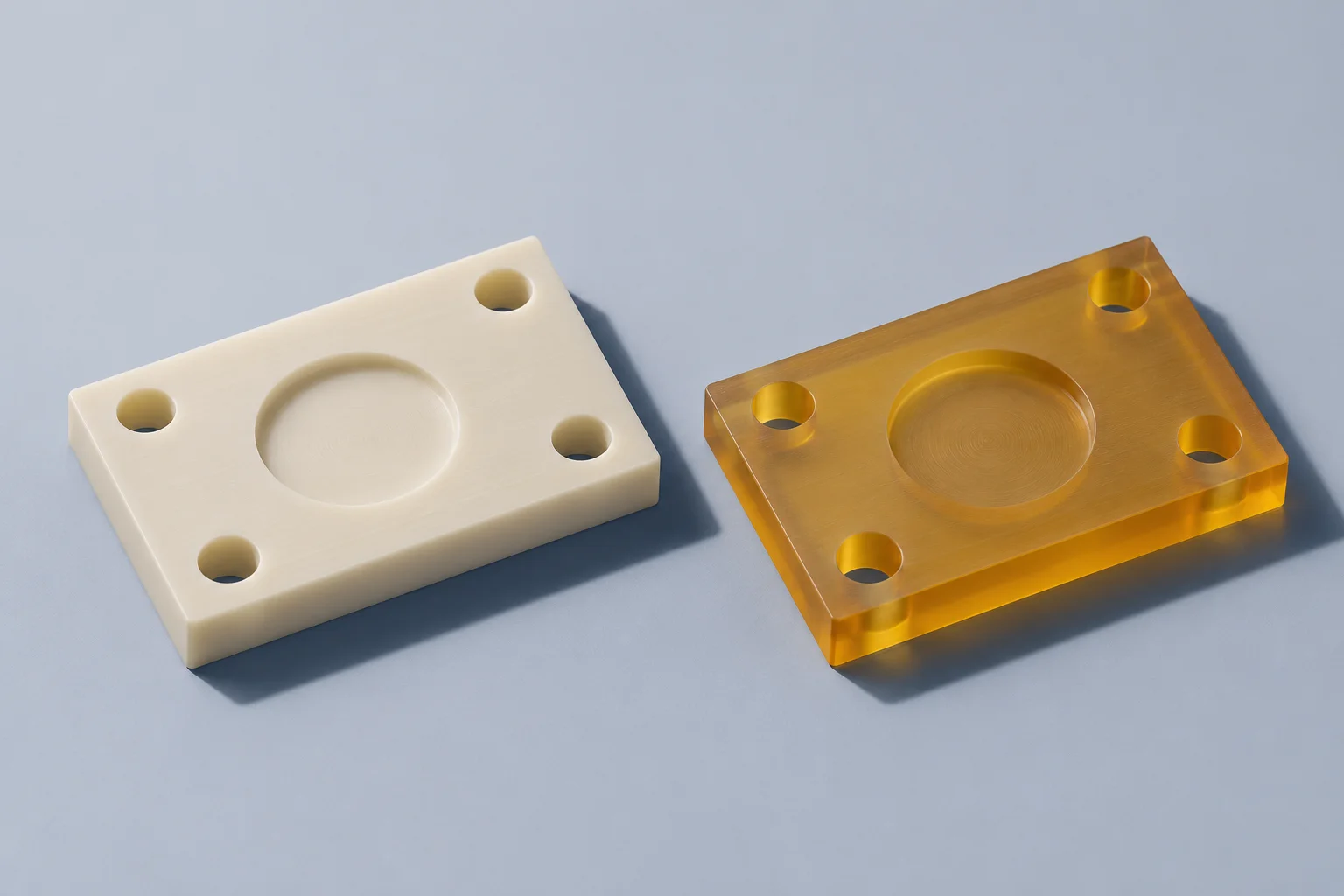
Compare PPS and PEI stock grades against chemical exposure, loaded temperature, electrical requirements and machining acceptance evidence.
Read the guide →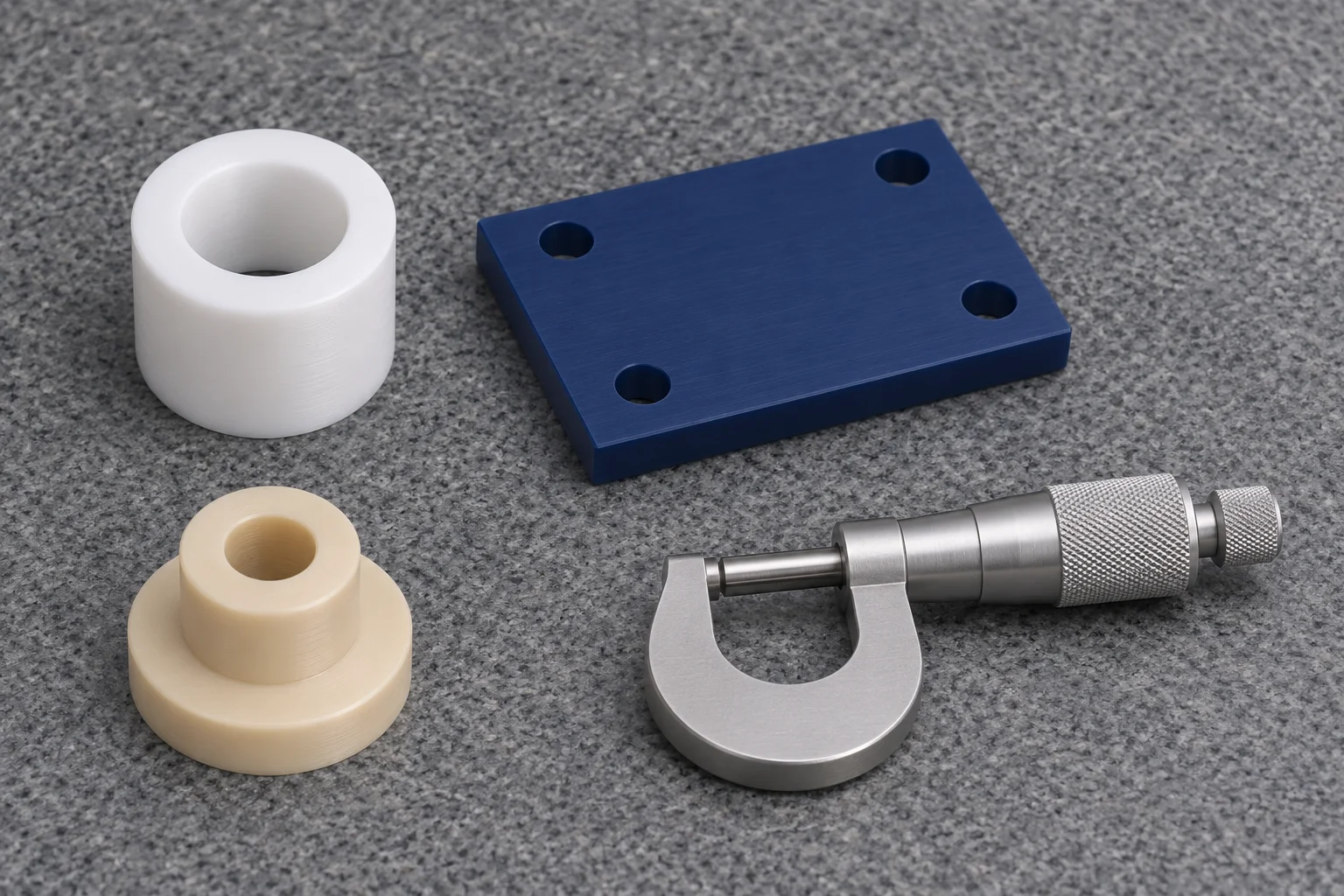
Define measurement state, contact force, support and acceptance evidence before comparing results for machined plastic parts.
Read the guide →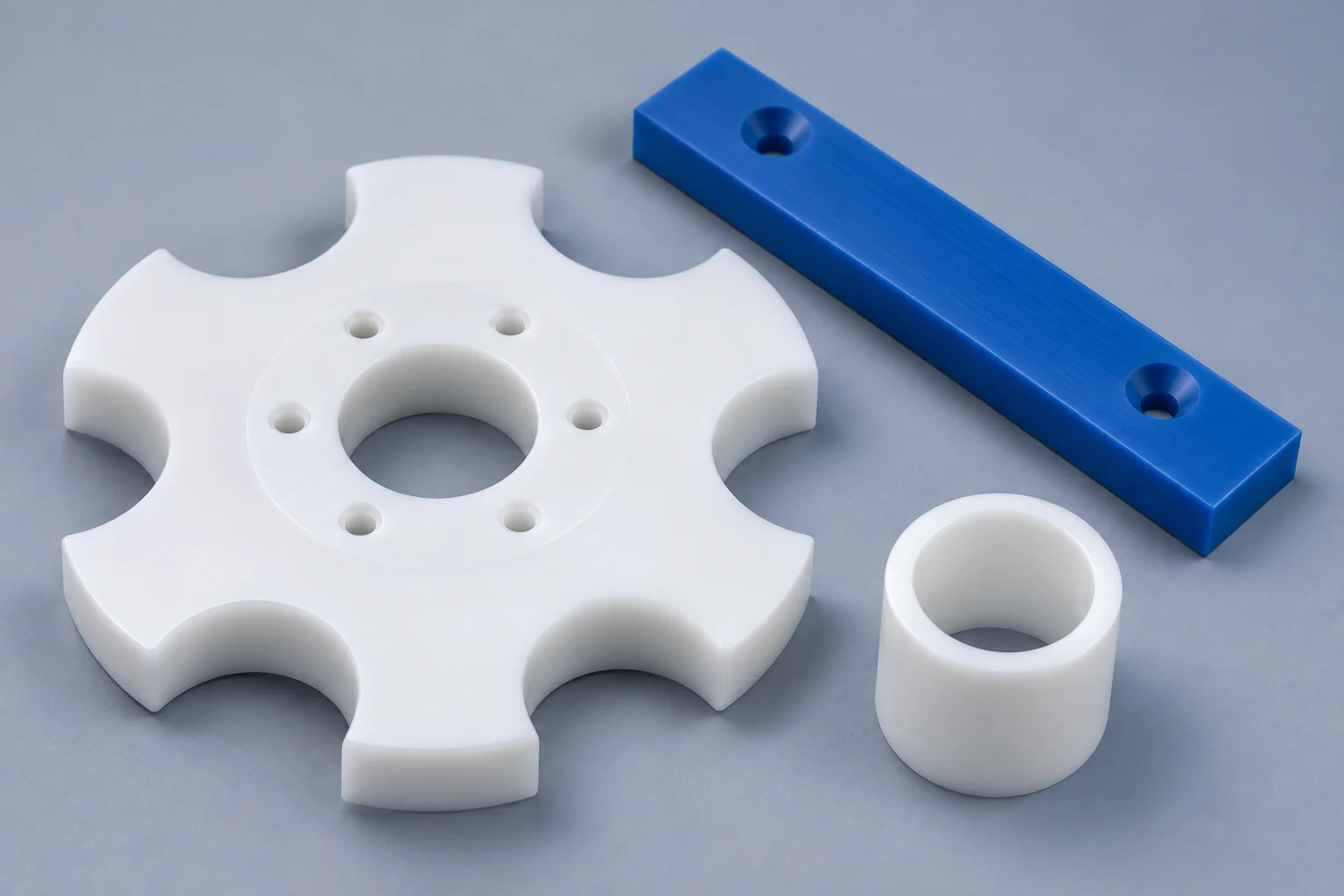
Review grades, intended-use documents, traceability and acceptance evidence before ordering food-contact machined plastic parts.
Read the guide →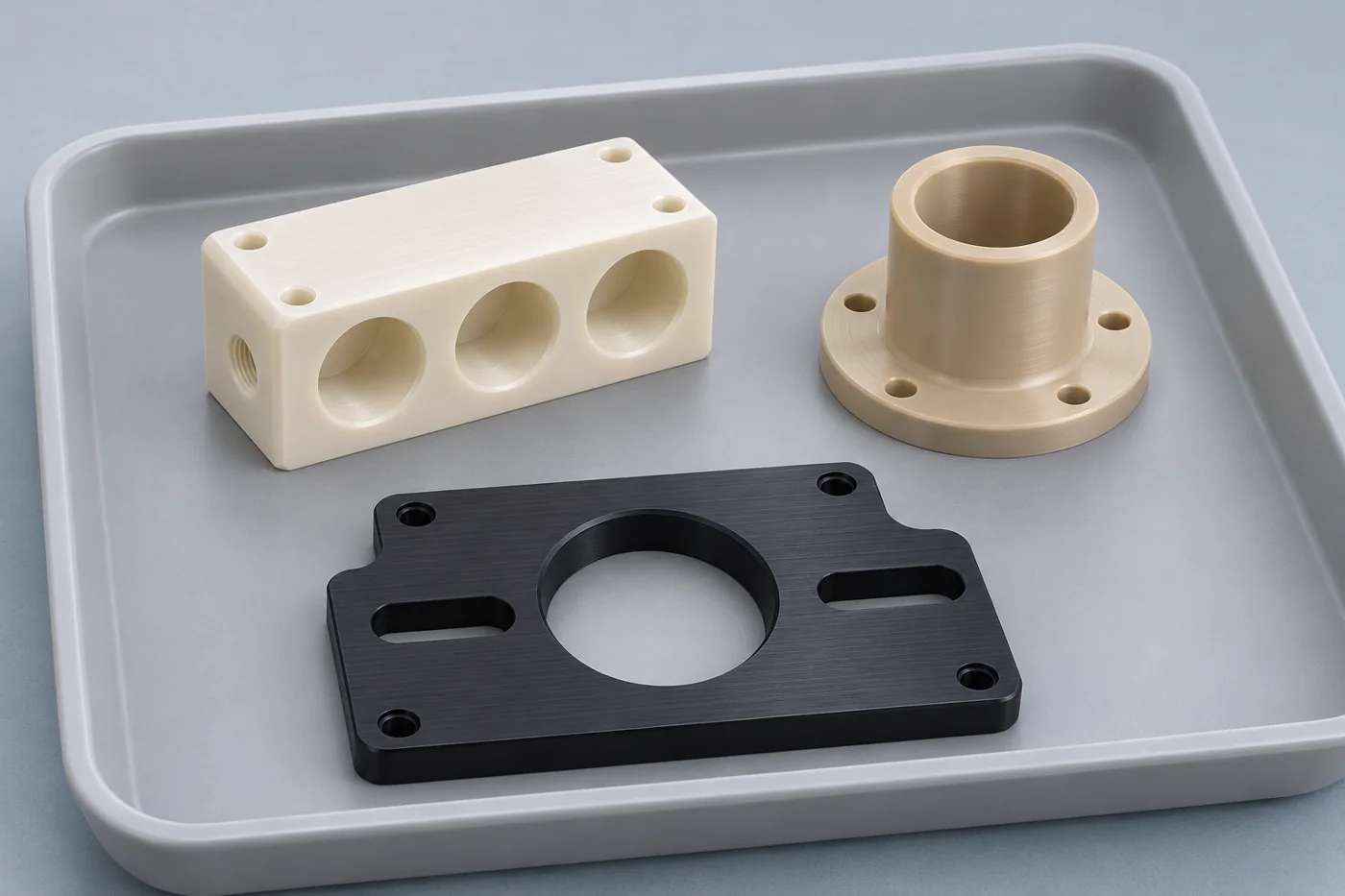
Define residues, compatible cleaning, inspection evidence and packaging requirements before ordering custom machined plastic parts.
Read the guide →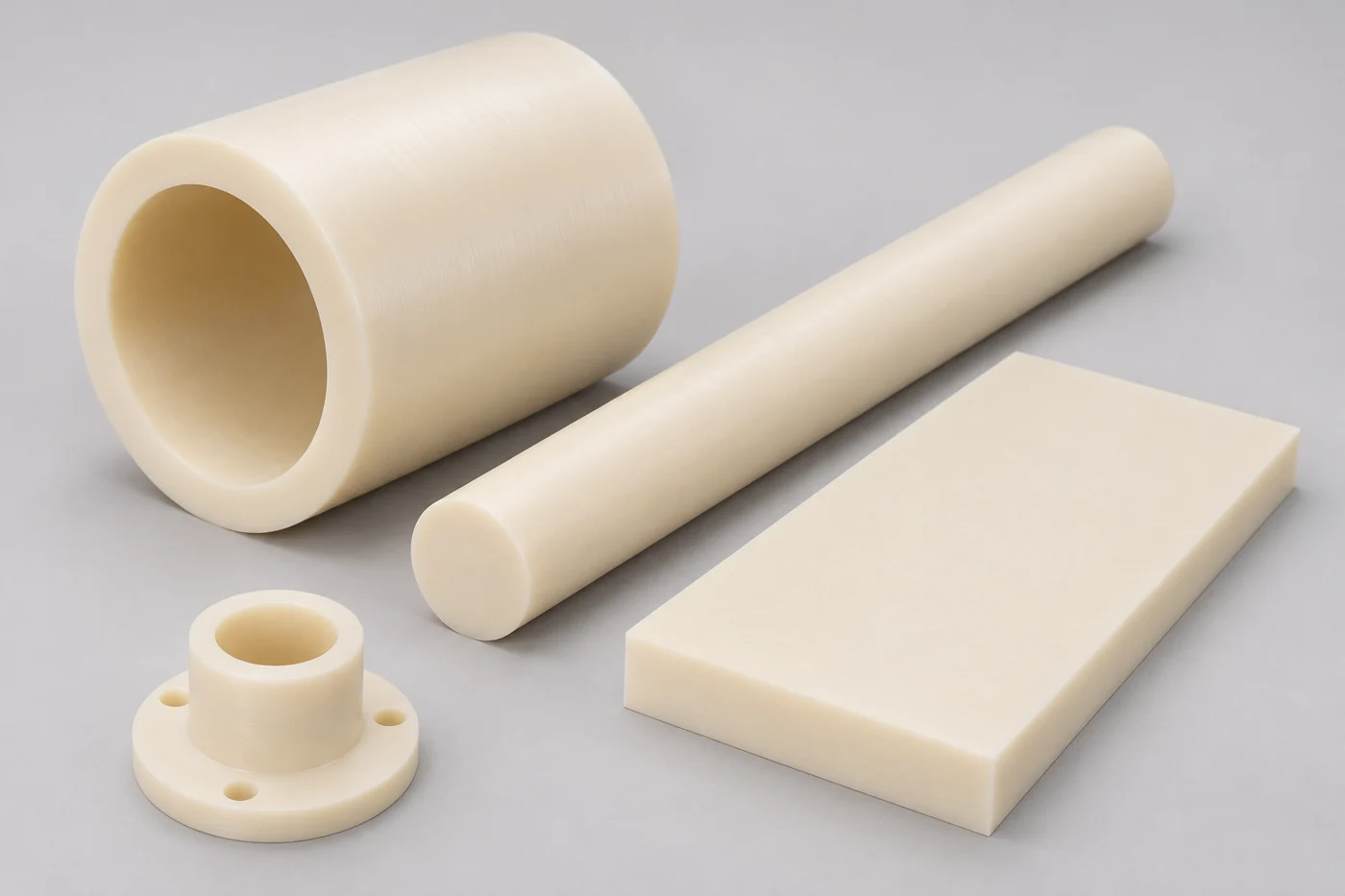
Compare nylon chemistry, stock route, blank geometry, moisture condition and acceptance evidence before ordering machined parts.
Read the guide →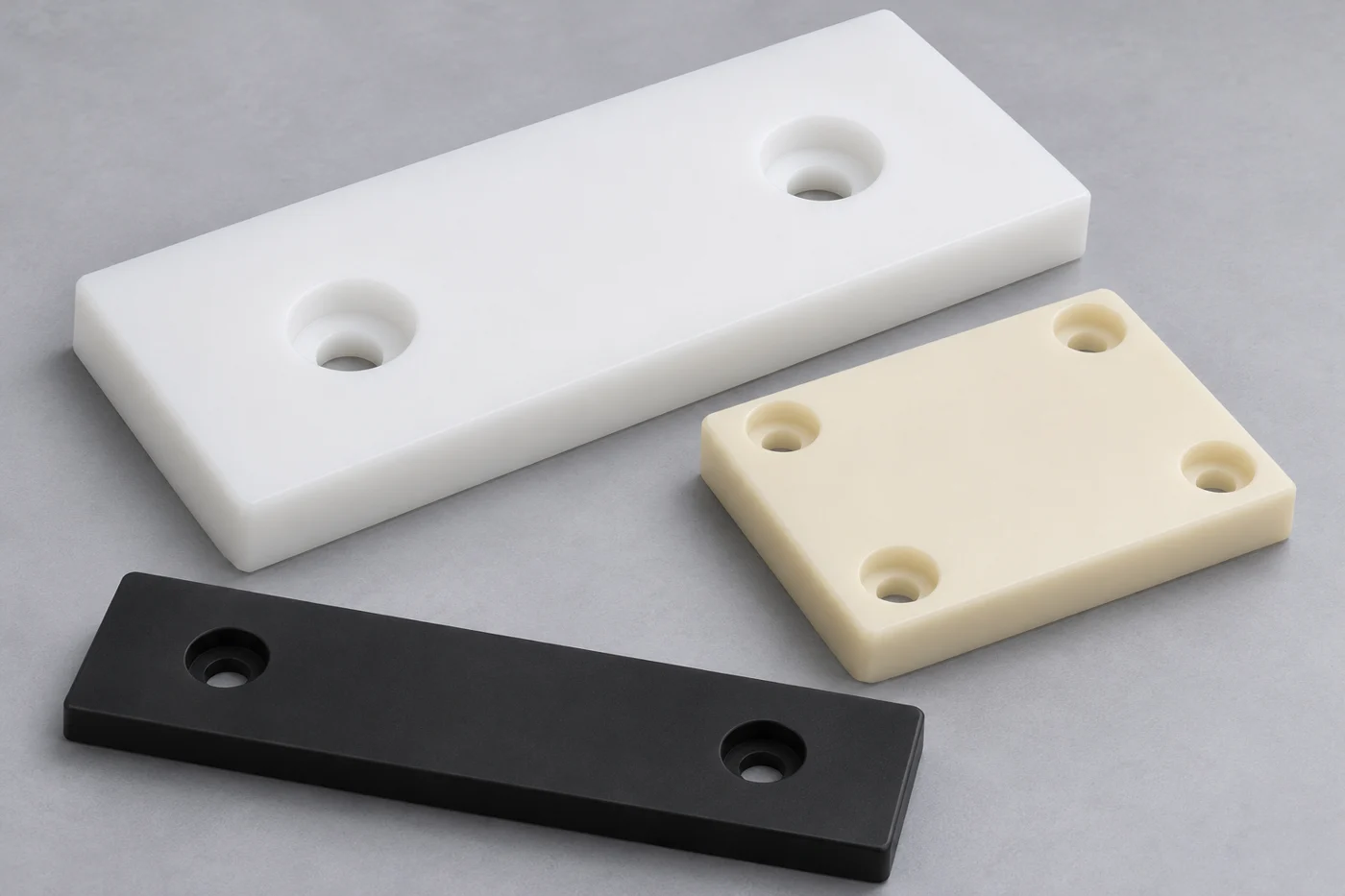
Specify material grades, sliding contact, recessed hardware, mounting movement and replacement criteria before ordering custom plastic wear pads.
Read the guide →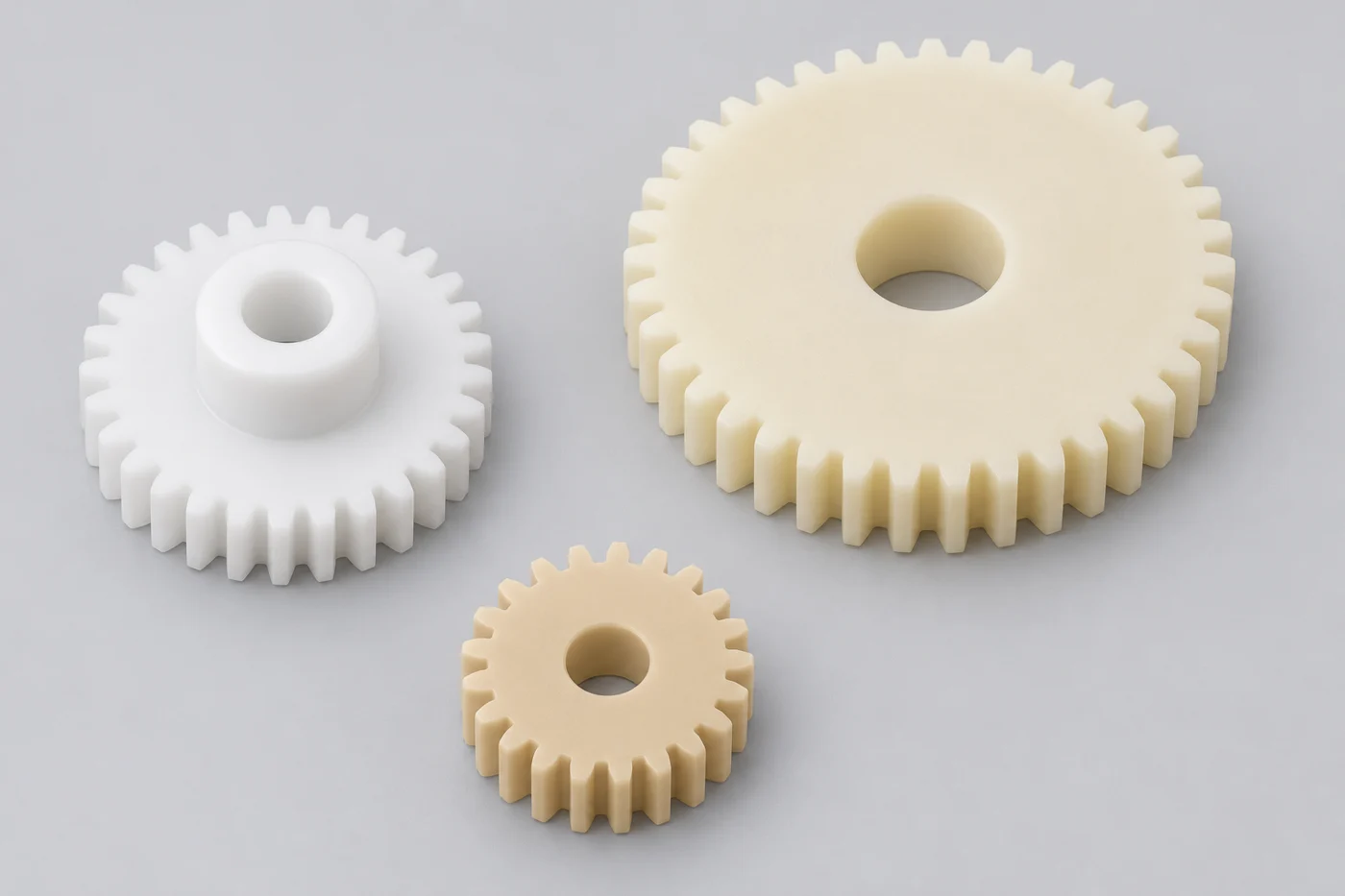
Review material grades, backlash, tooth specifications, hub connections and inspection before ordering custom machined plastic gears.
Read the guide →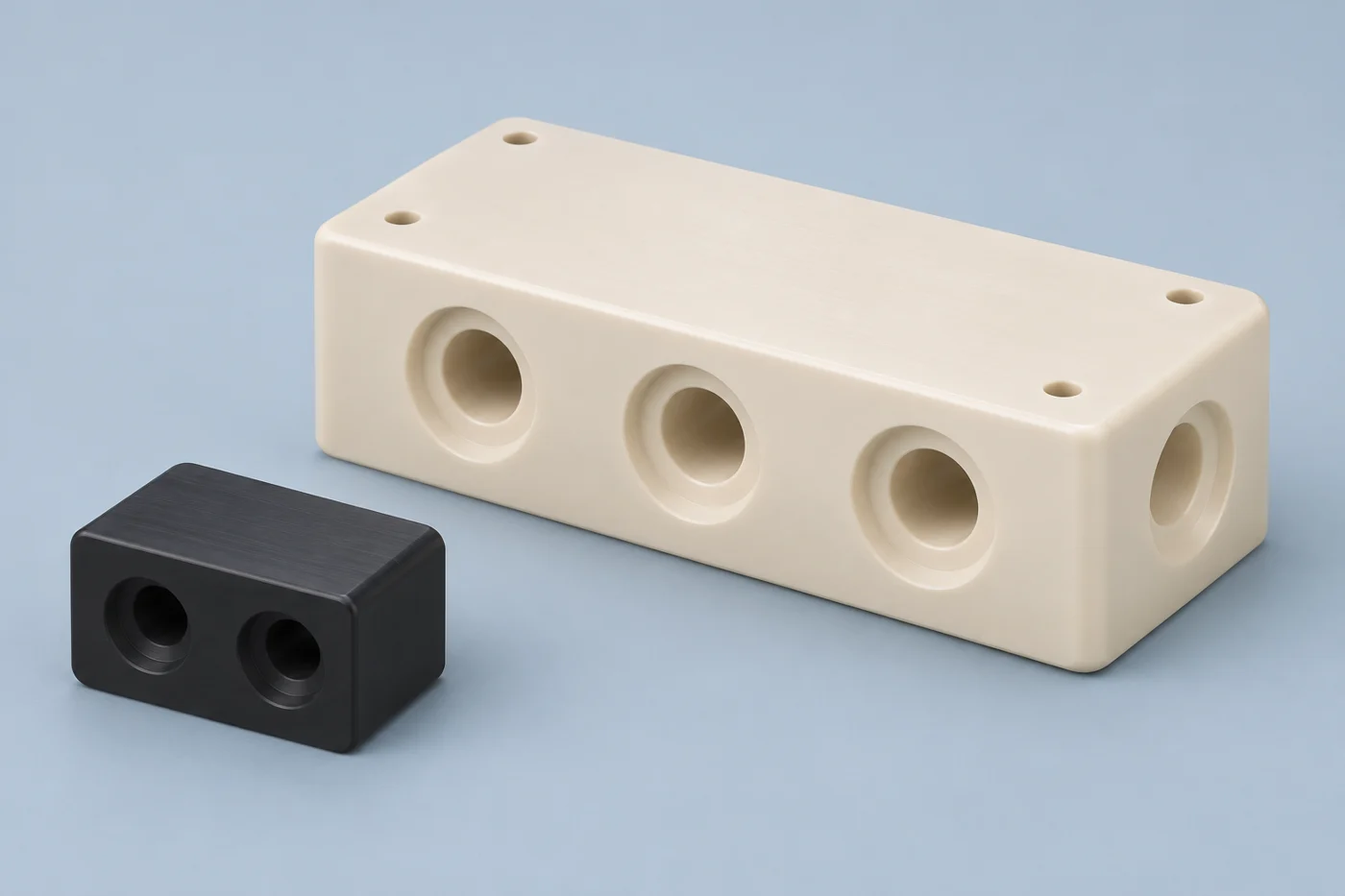
Define manifold circuits, ports, seals, machining access and inspection requirements before requesting a drawing-based quotation.
Read the guide →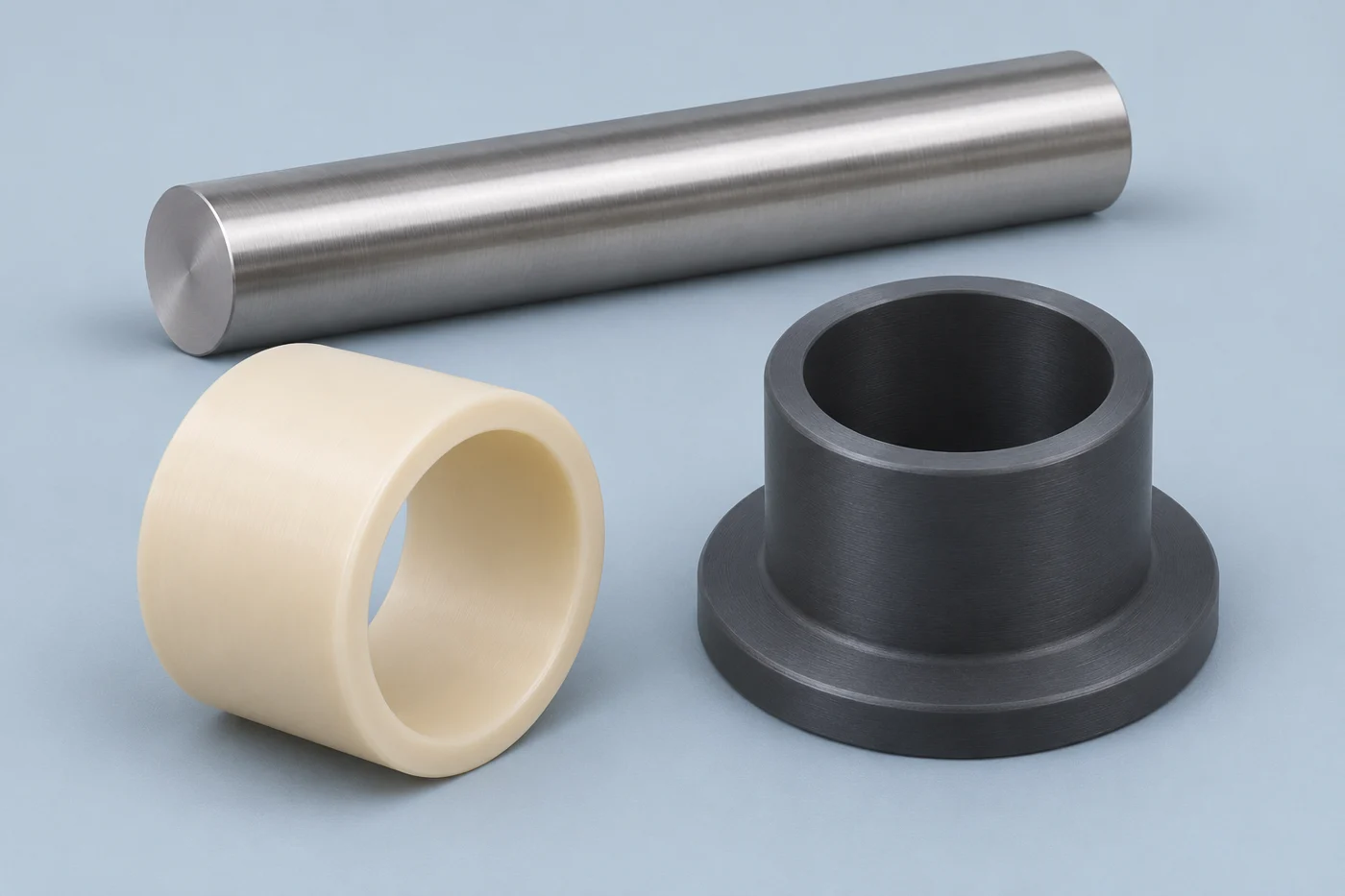
Calculate bearing PV and review grade data, temperature, shaft conditions and validation before ordering custom plastic bearings.
Read the guide →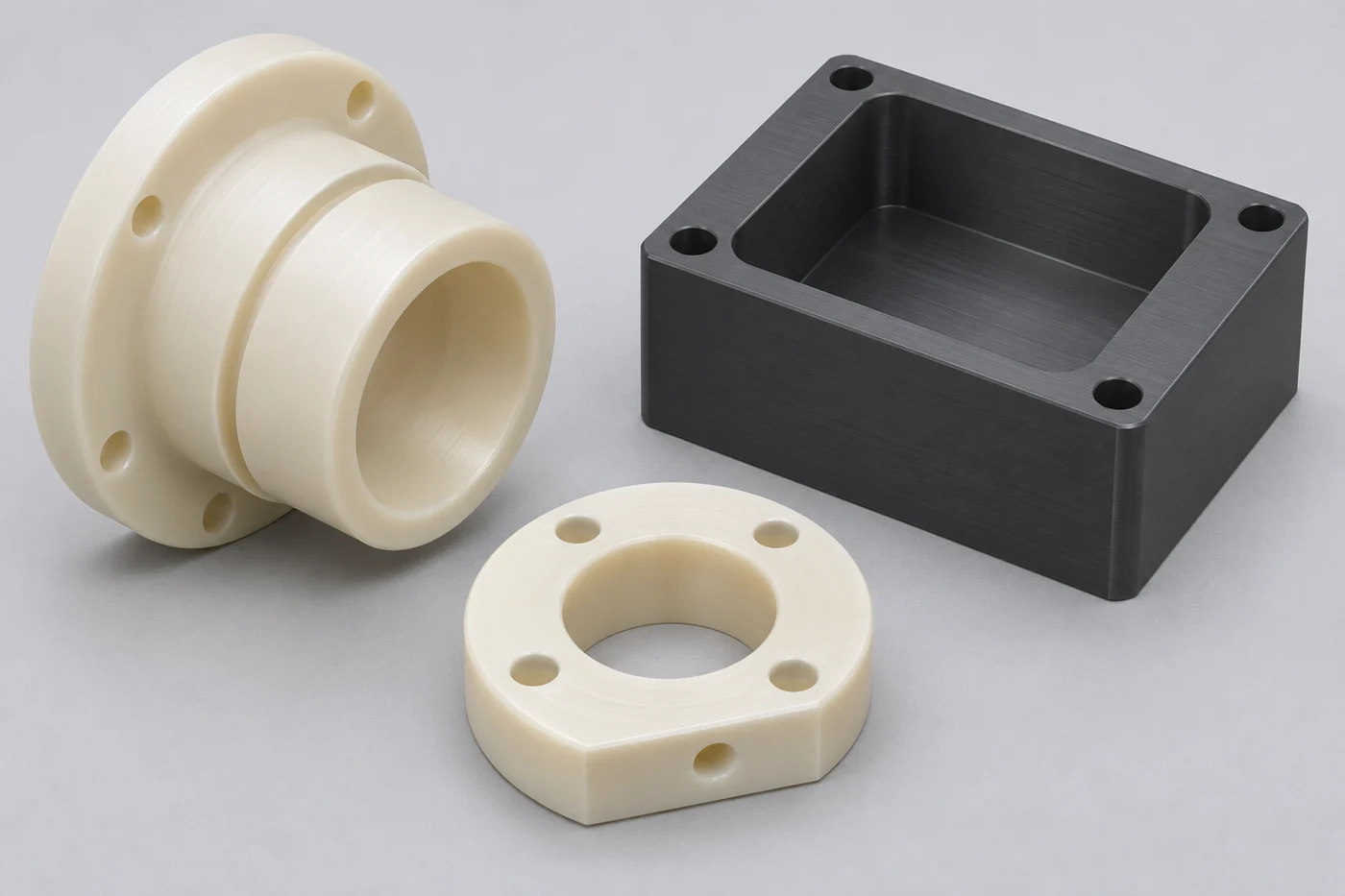
Compare turning and milling through part geometry, combined routes, workholding, inspection and accepted-part cost.
Read the guide →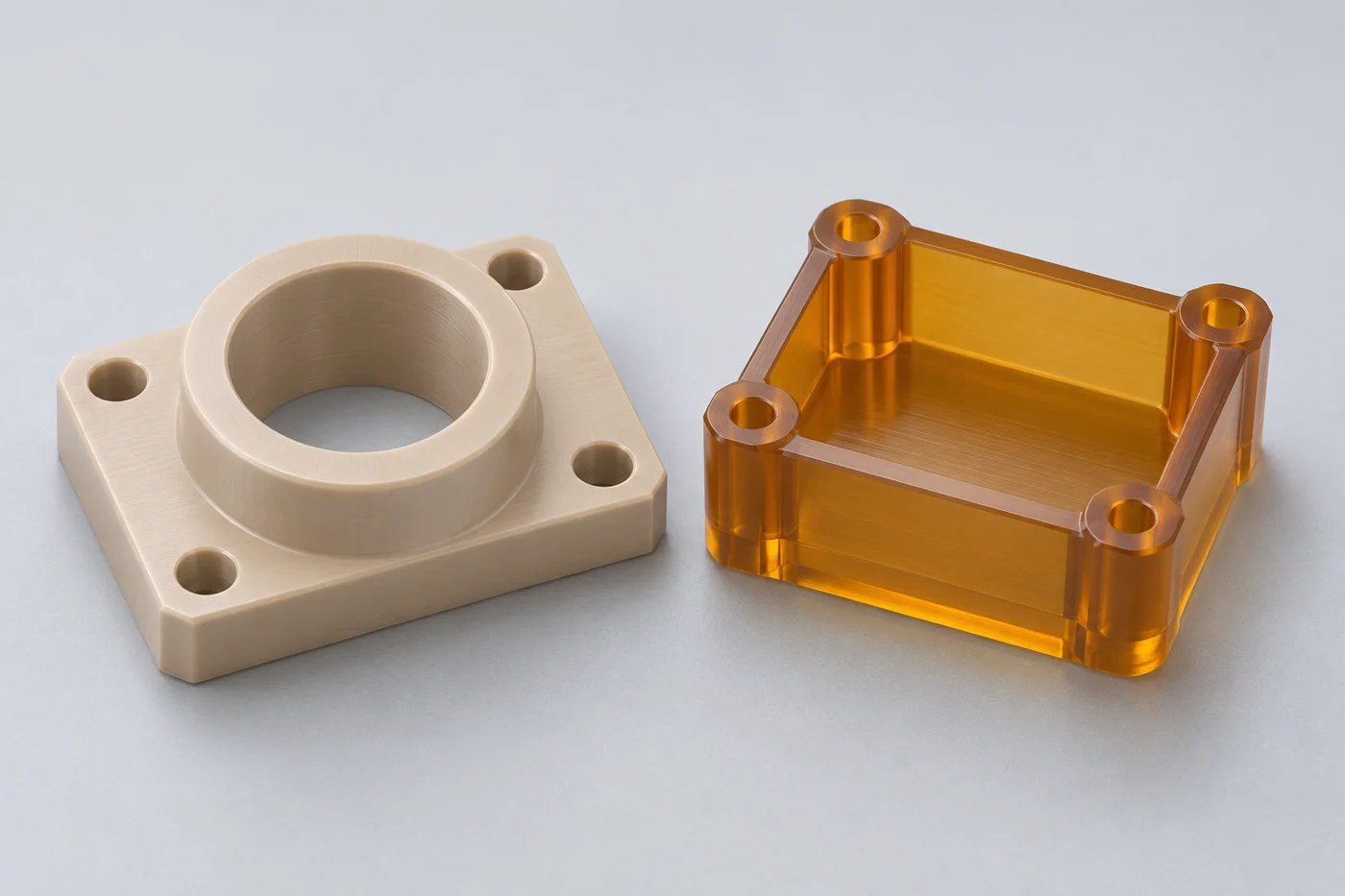
Compare PEEK and PEI through thermal behavior, chemical exposure, loading, machining and total accepted-part cost.
Read the guide →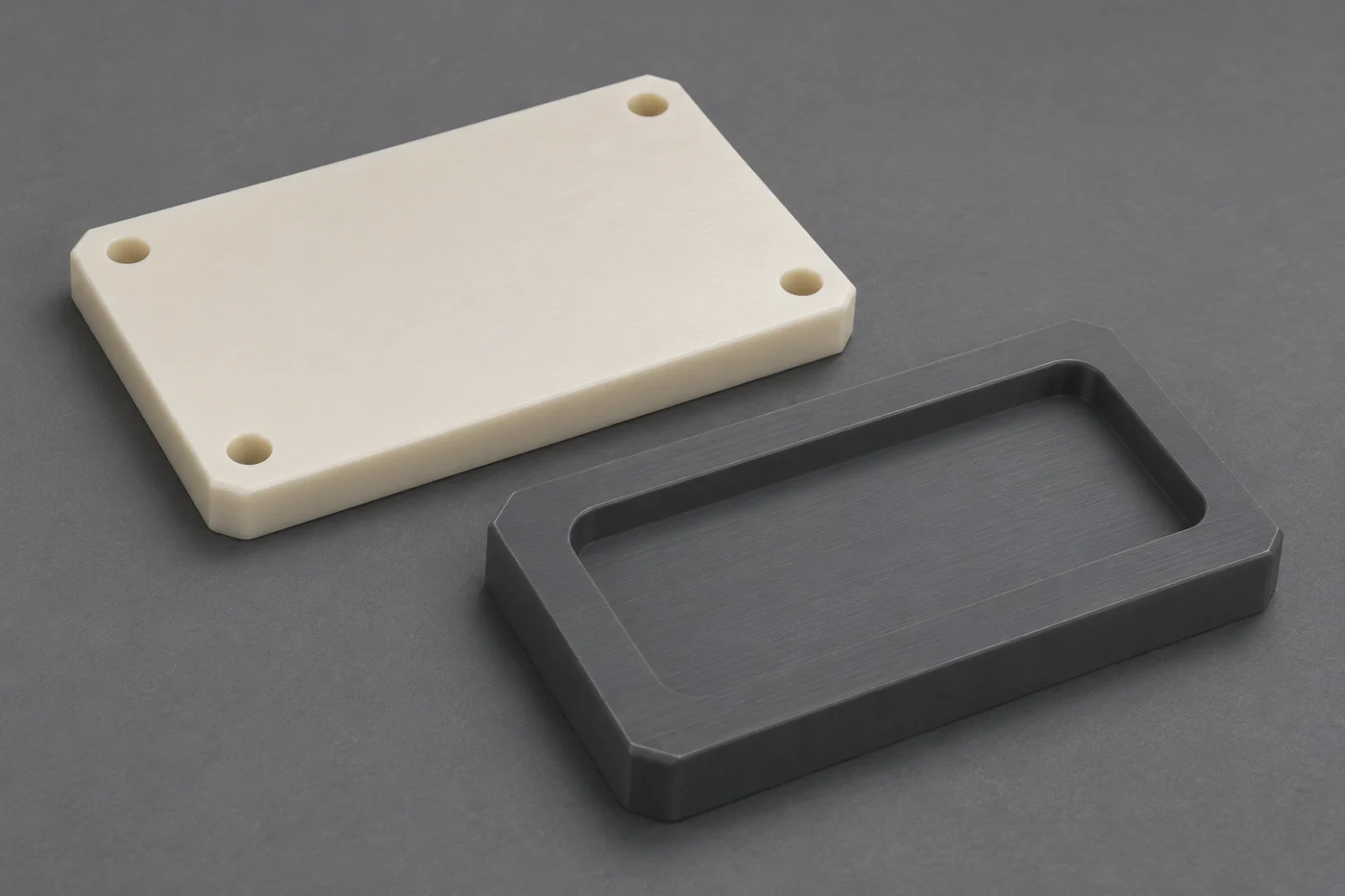
Specify and inspect plastic surface flatness through functional requirements, support, measurement coverage and acceptance planning.
Read the guide →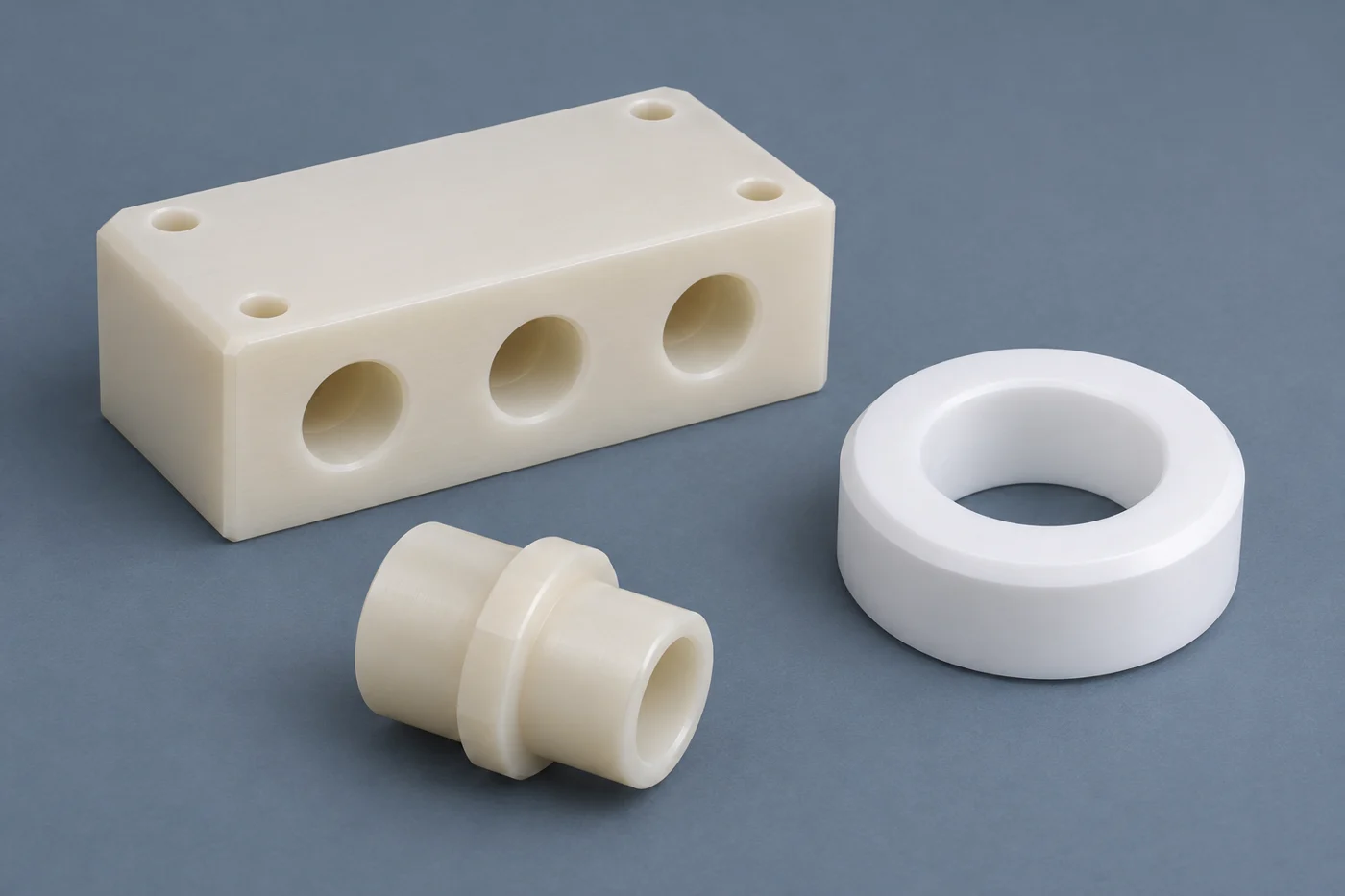
Compare PVDF and PTFE for fluid-contact bodies, seats and fittings through chemistry, loading, machining and acceptance.
Read the guide →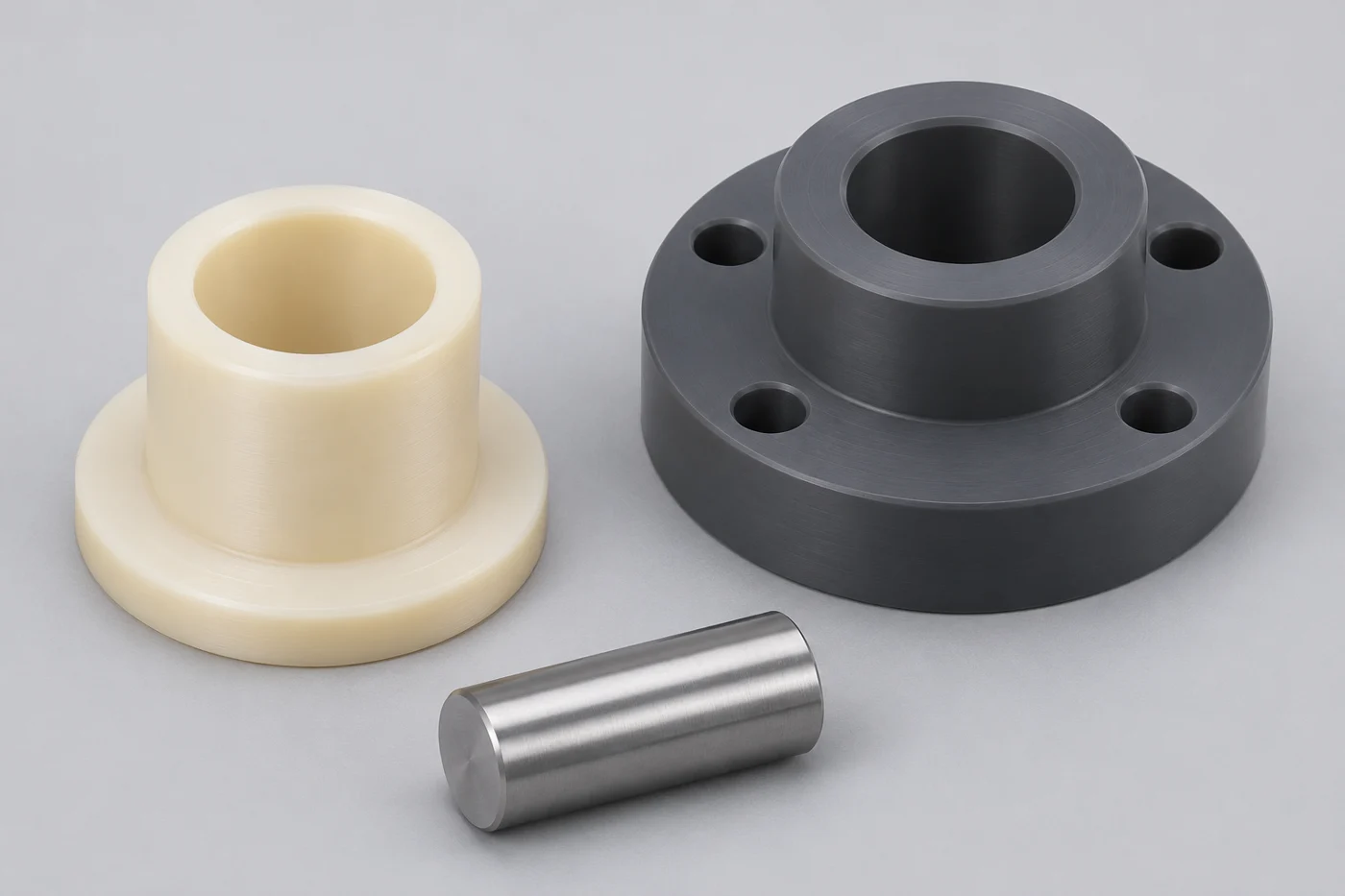
Review retained plastic joints through material identity, fit limits, assembly conditions and retention acceptance.
Read the guide →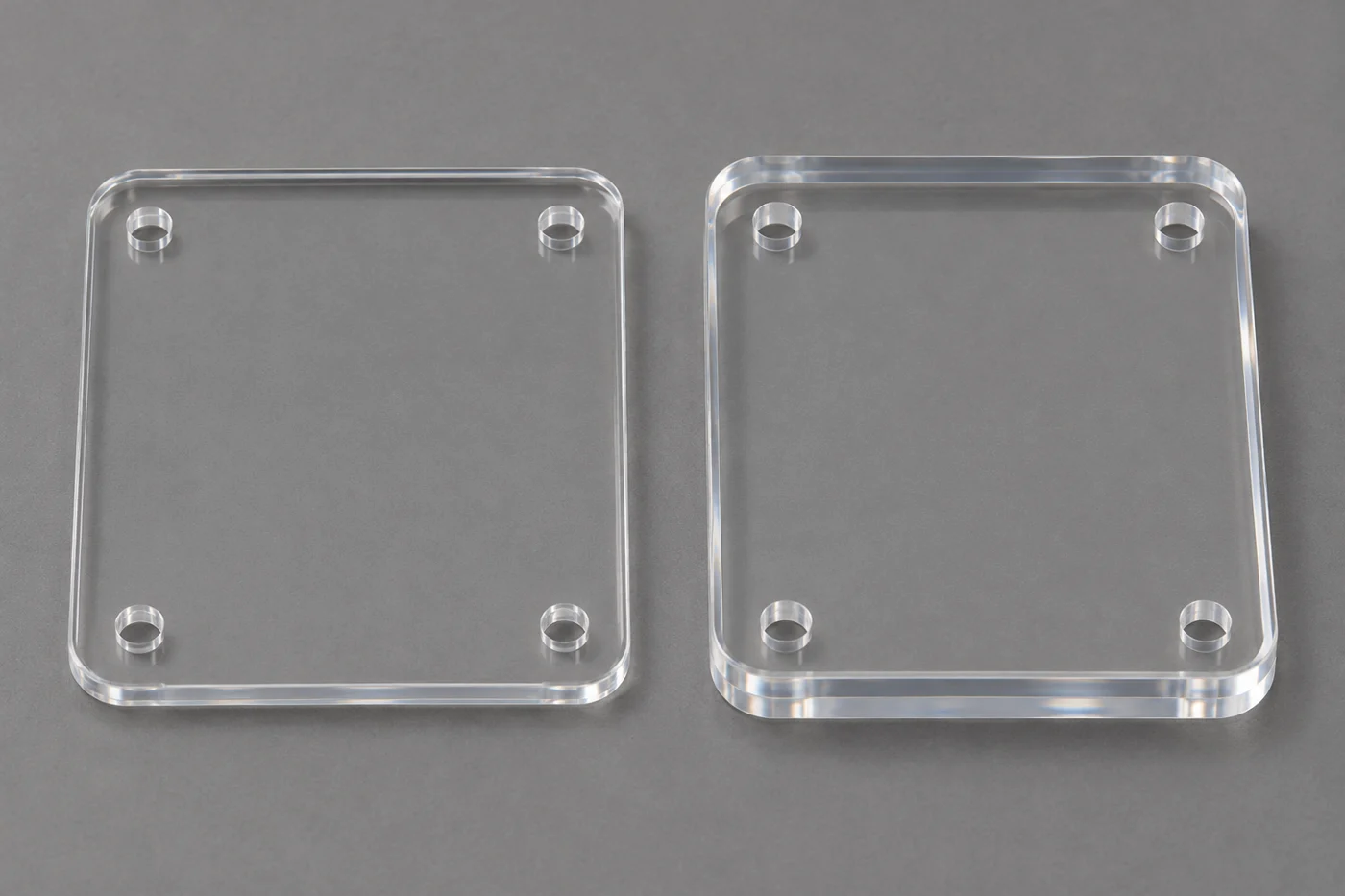
Compare clear machined plastics through visibility, mounting, chemical exposure, finishing and inspection requirements.
Read the guide →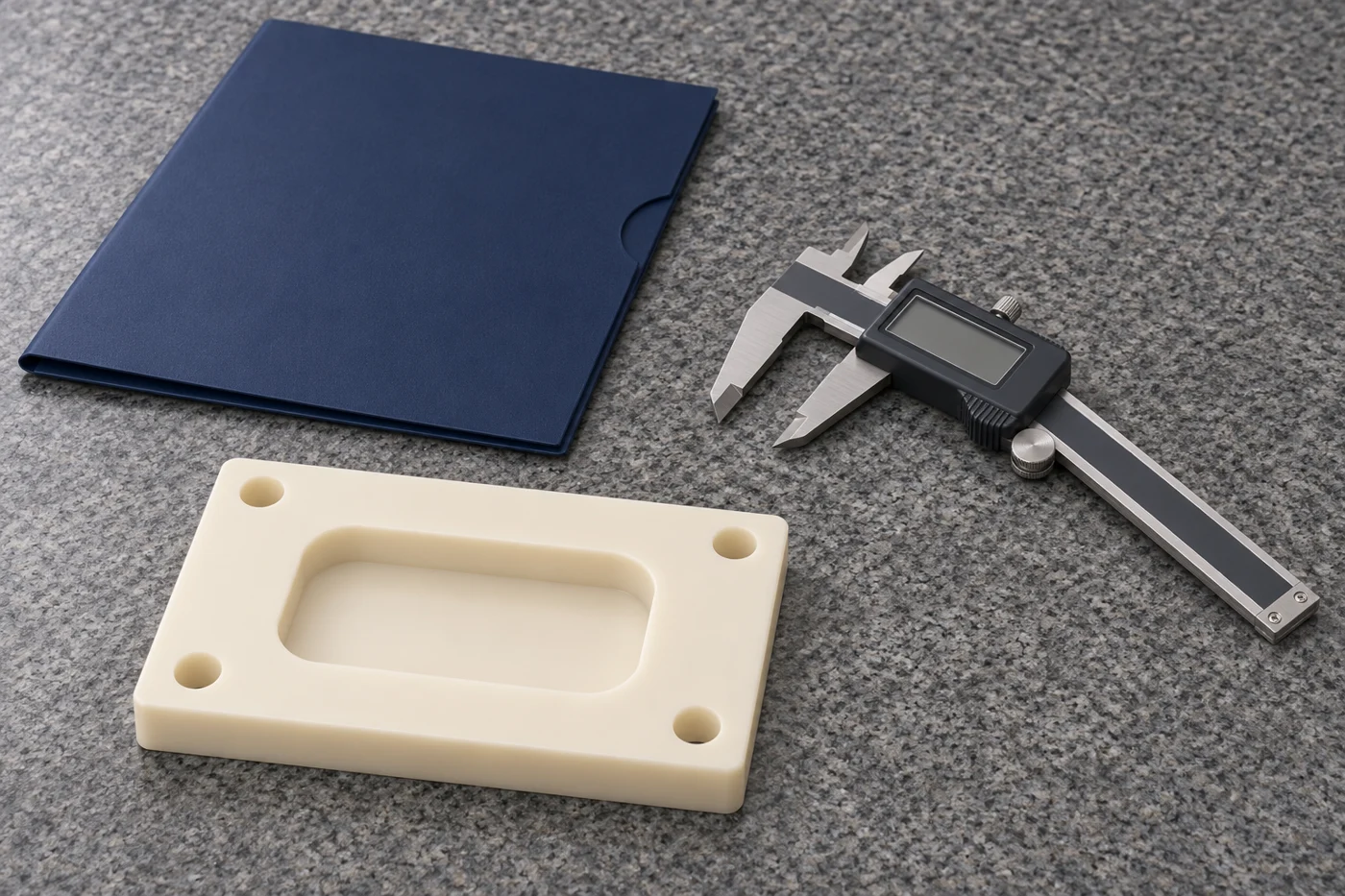
Plan first article inspection through revision control, measurement state, support, methods and production-release evidence.
Read the guide →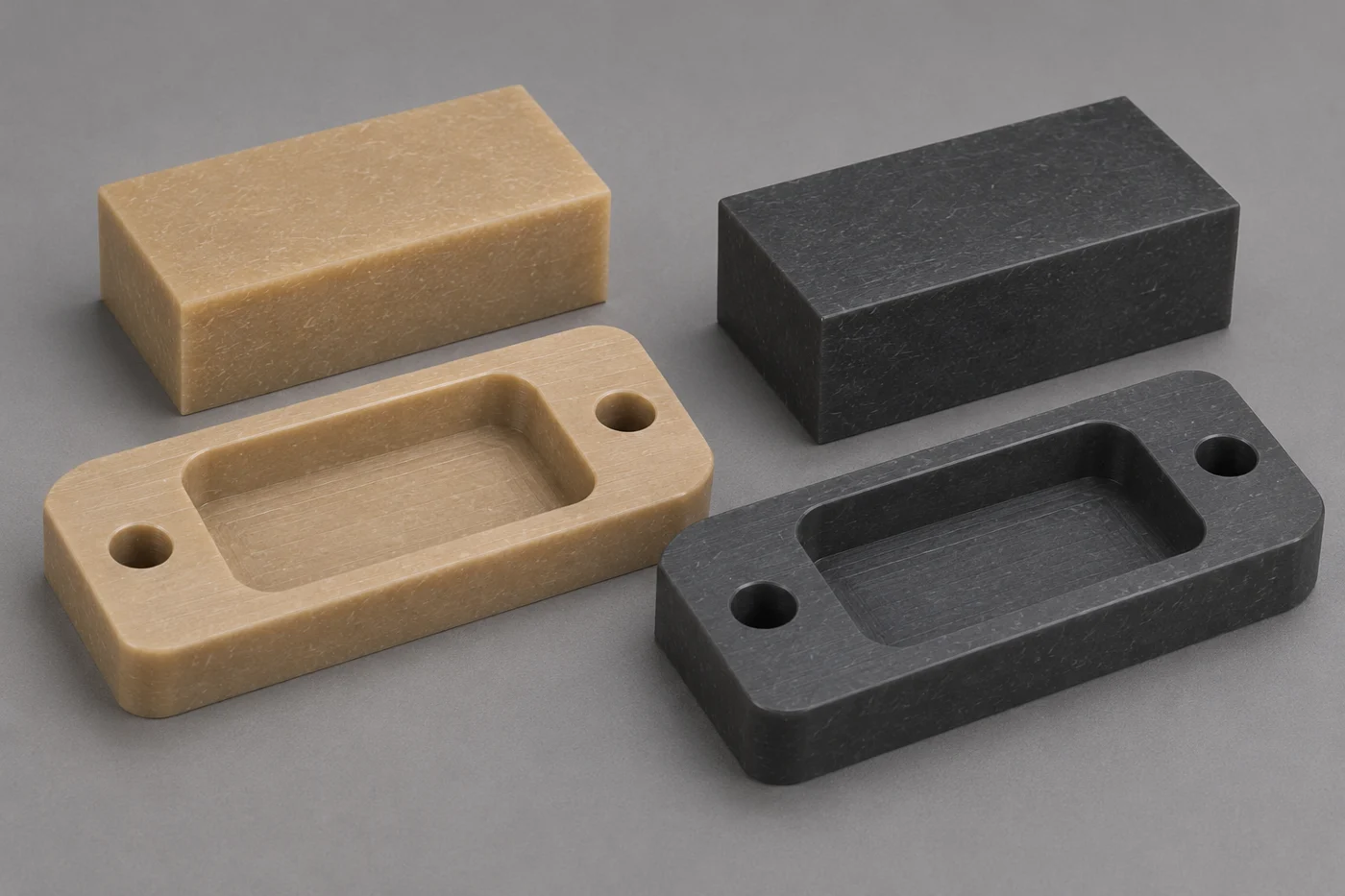
Review reinforced plastic grades, stock form, direction, tooling and functional surfaces before production.
Read the guide →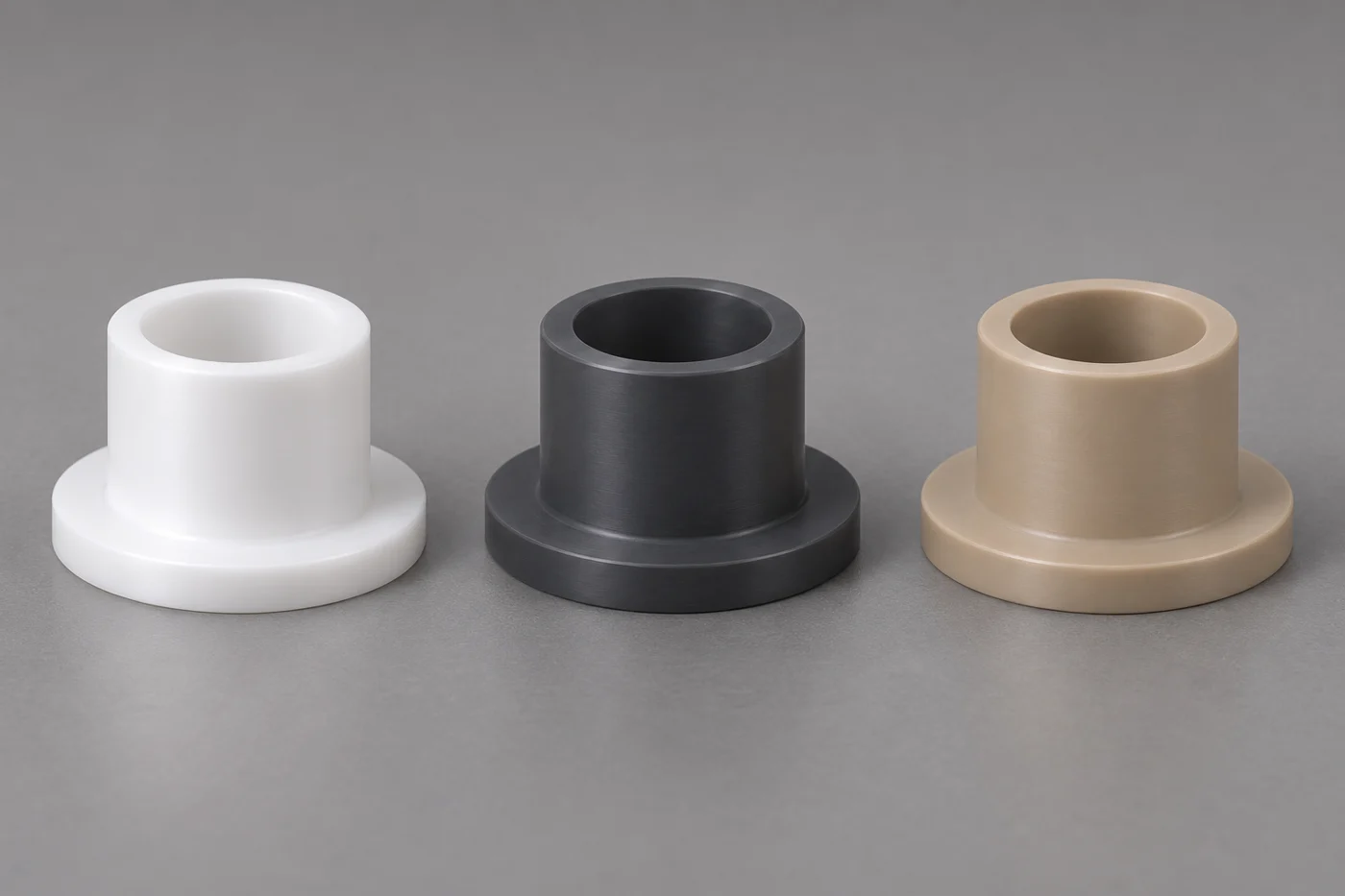
Compare identified virgin and filled PTFE products through loading, wear, chemicals, electrical requirements and acceptance.
Read the guide →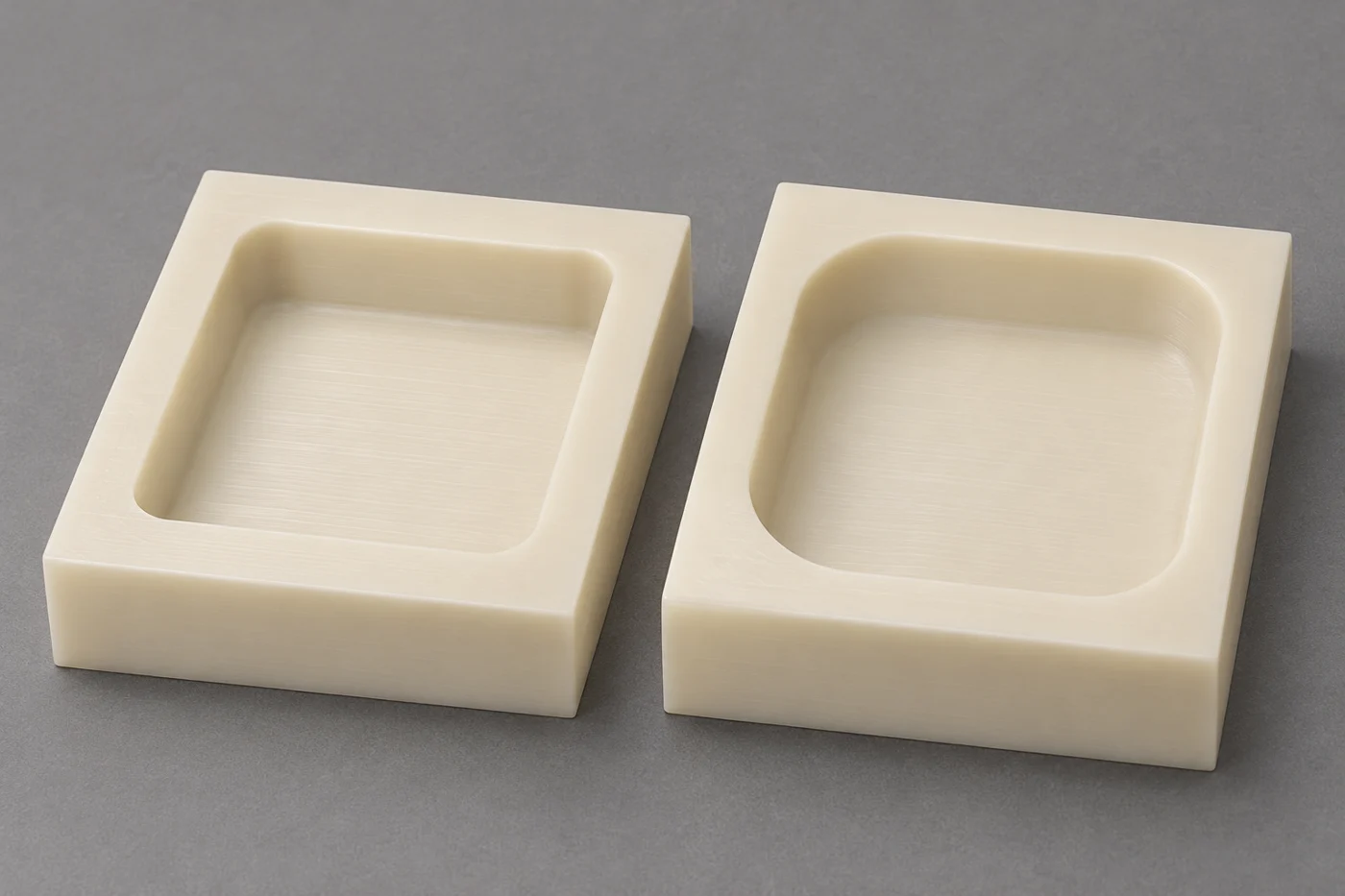
Review pocket radii, depth, mating corners, wall support and inspection before ordering machined plastic components.
Read the guide →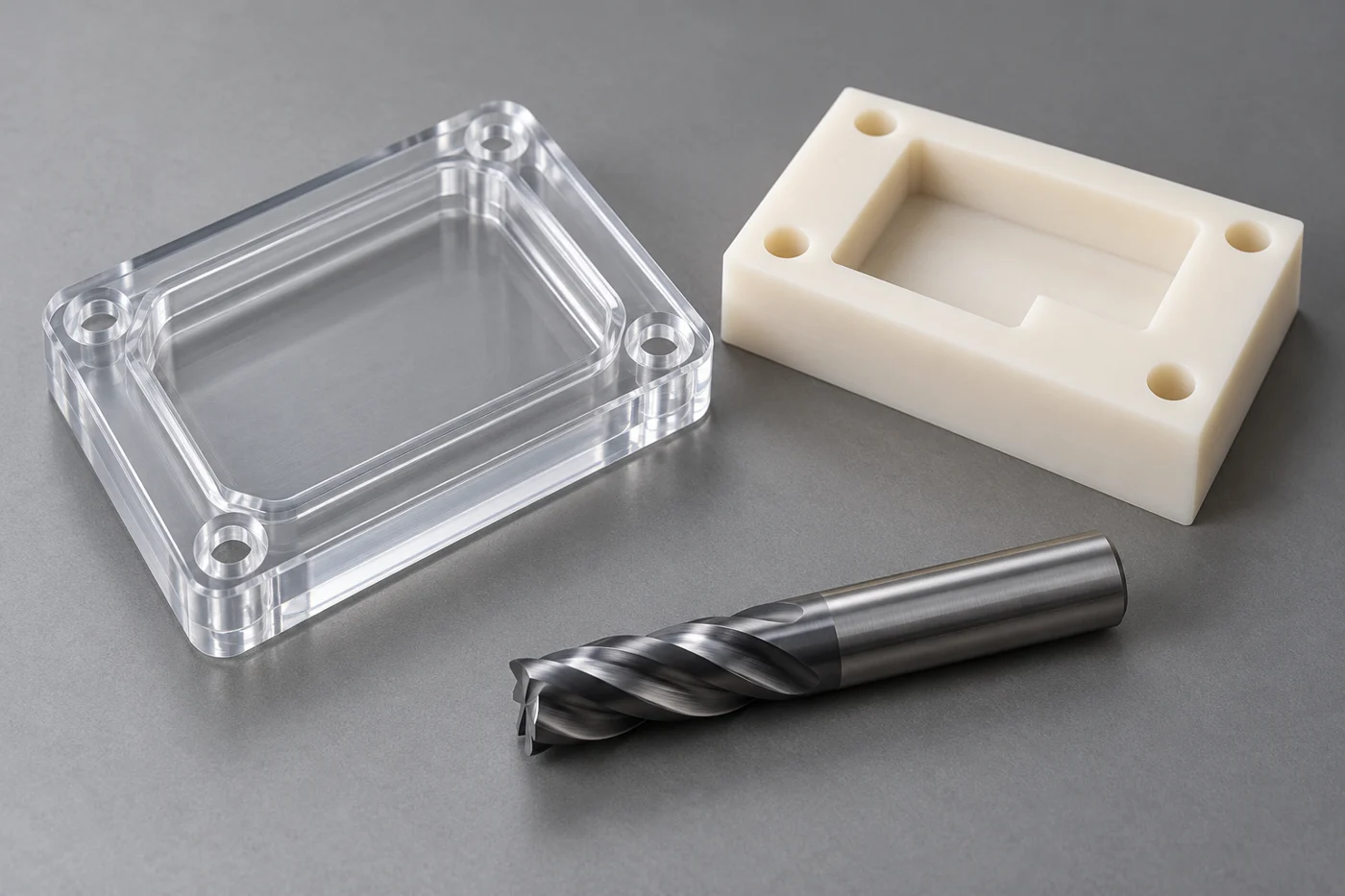
Review machining coolant compatibility, stress cracking, cleaning, functional surfaces and first-article acceptance.
Read the guide →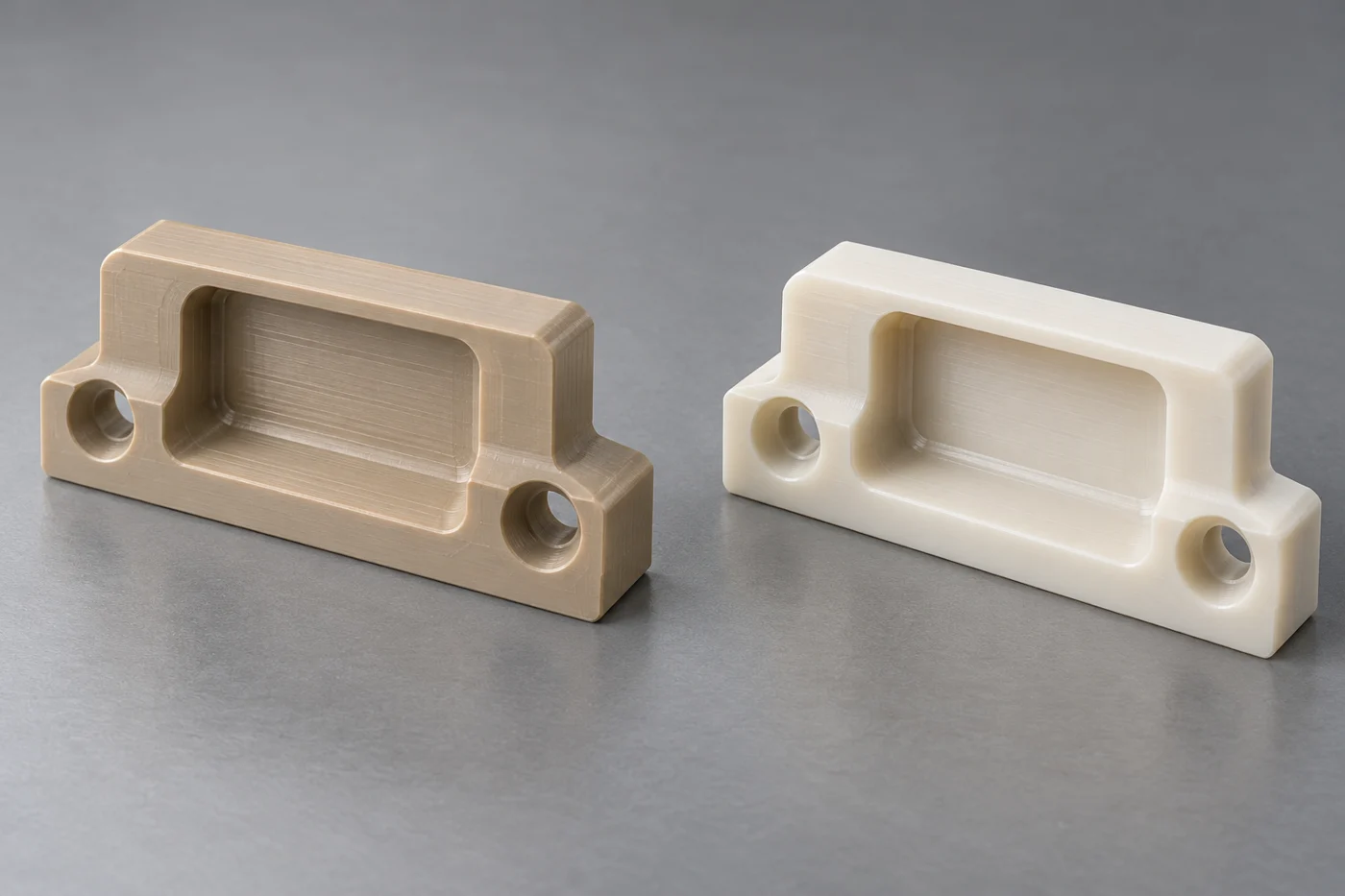
Compare identified PEEK and PPS grades through load, temperature, chemical exposure, machining and accepted-part cost.
Read the guide →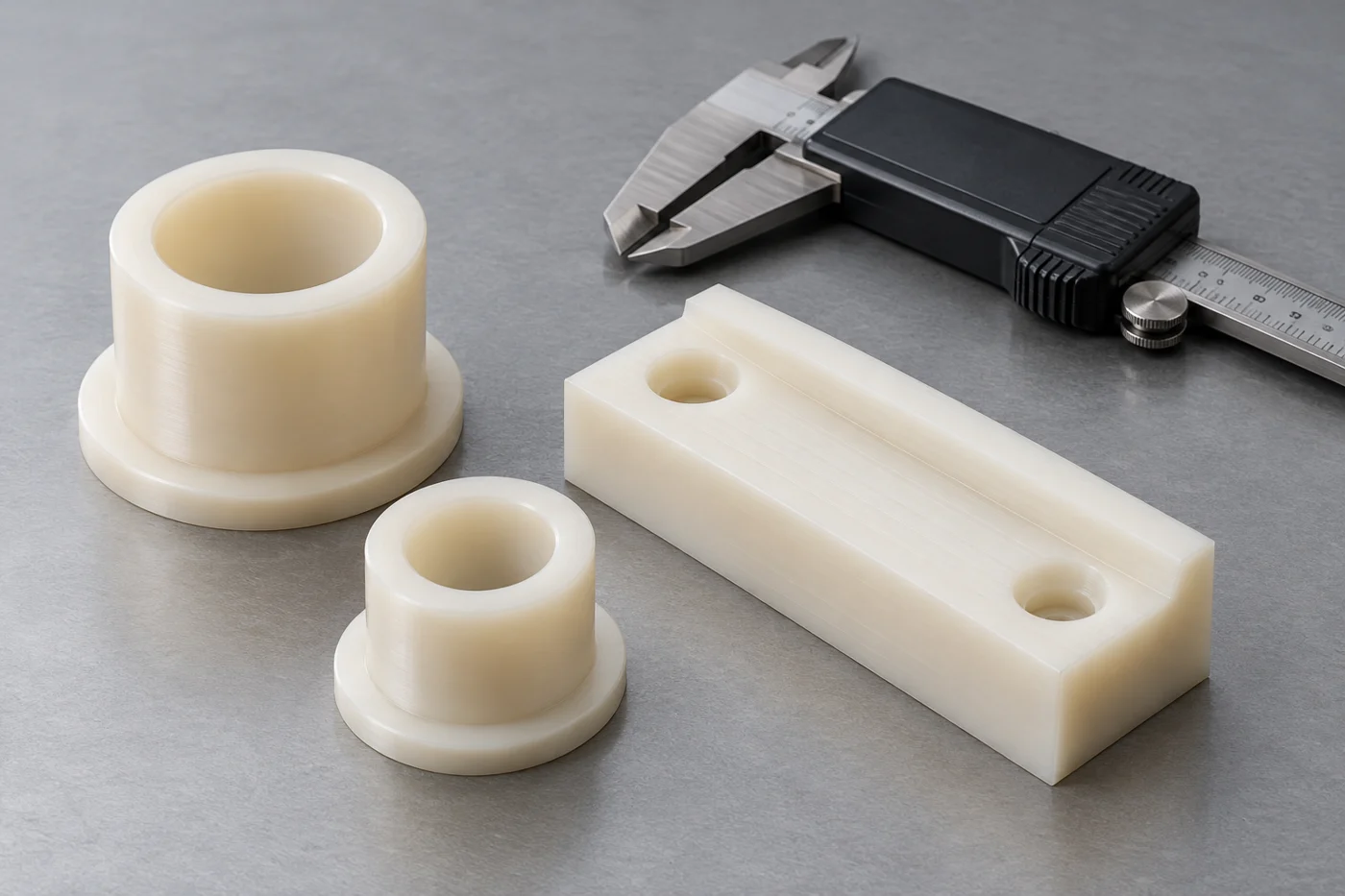
Review nylon moisture uptake, dimensional inspection, conditioning and packaging requirements before ordering machined components.
Read the guide →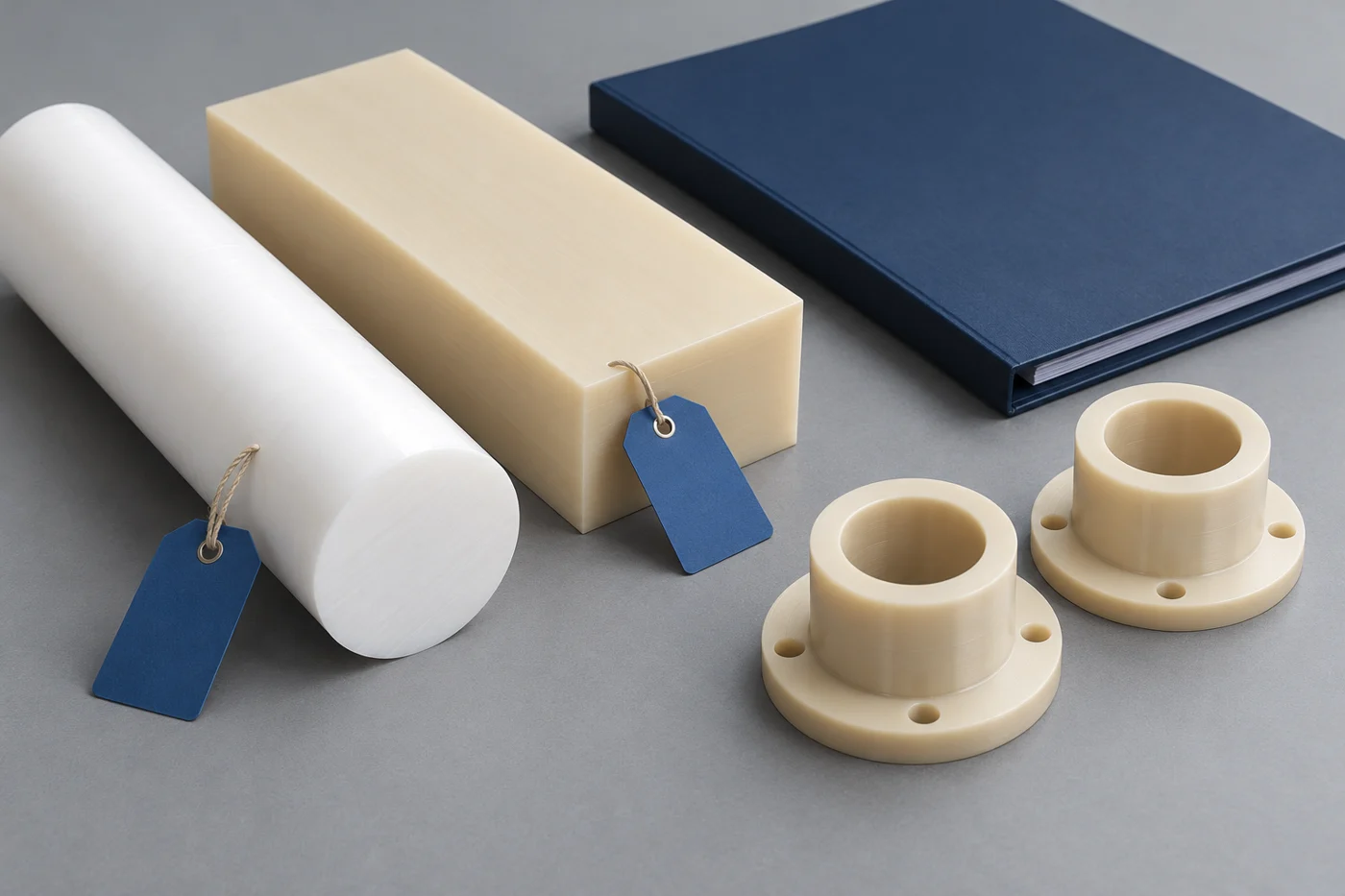
Define material identity, order-connected records, substitutions and receiving checks for machined plastic components.
Read the guide →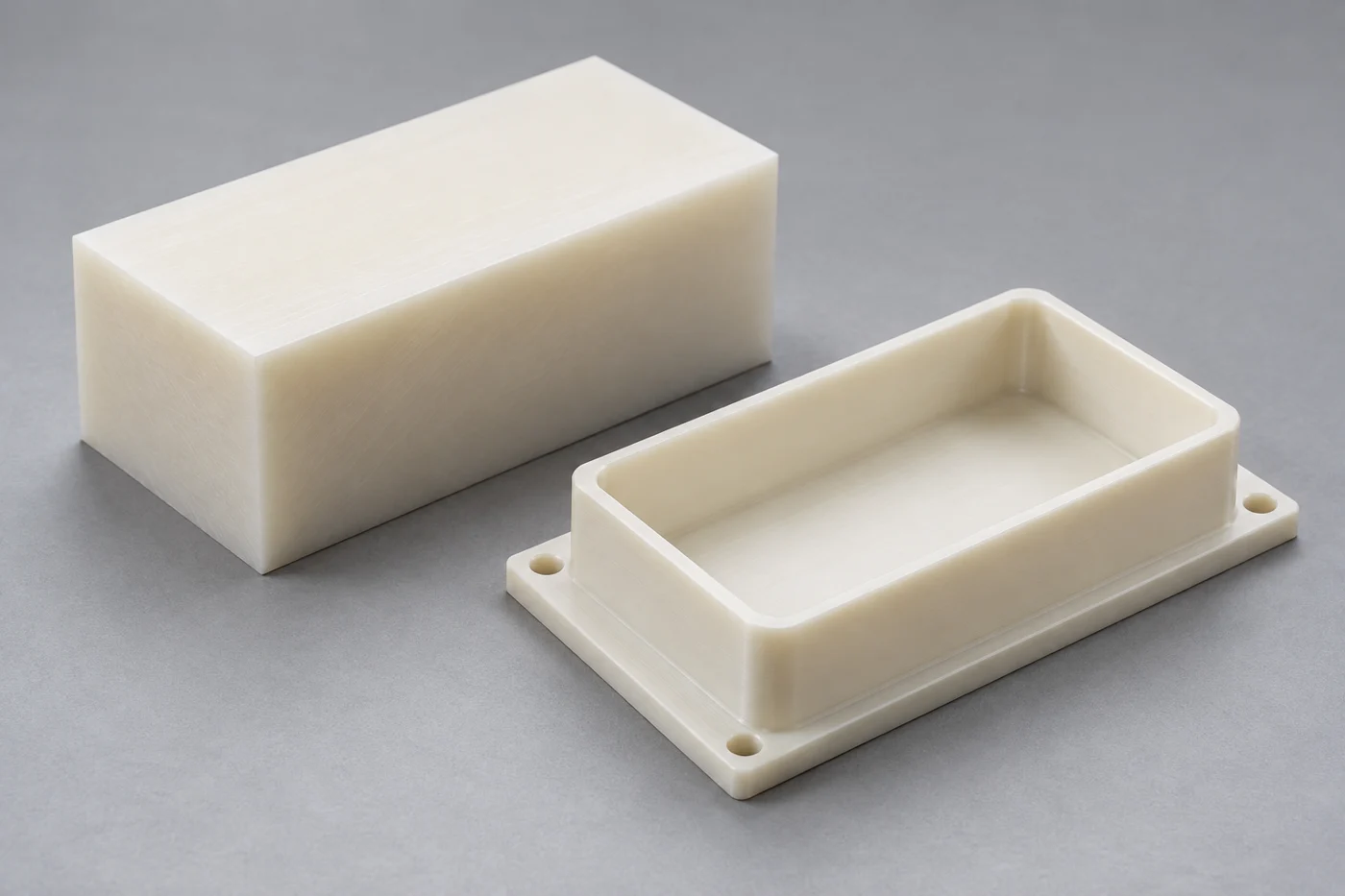
Review thin-wall geometry, support, machining sequence and inspection conditions before ordering delicate plastic components.
Read the guide →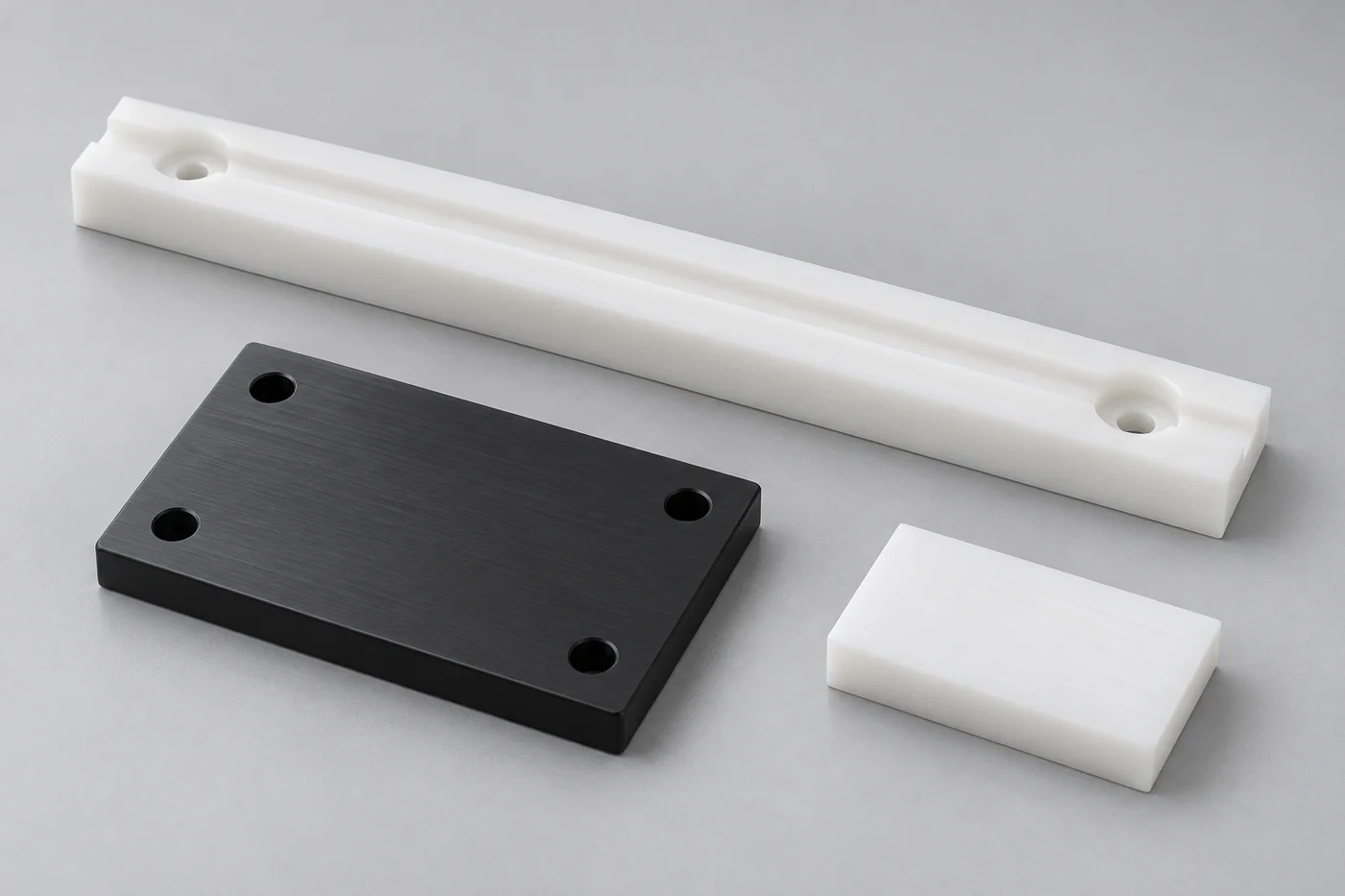
Compare UHMW and HDPE for wear strips, pads and guides through contact duty, support, mounting, fabrication and acceptance requirements.
Read the guide →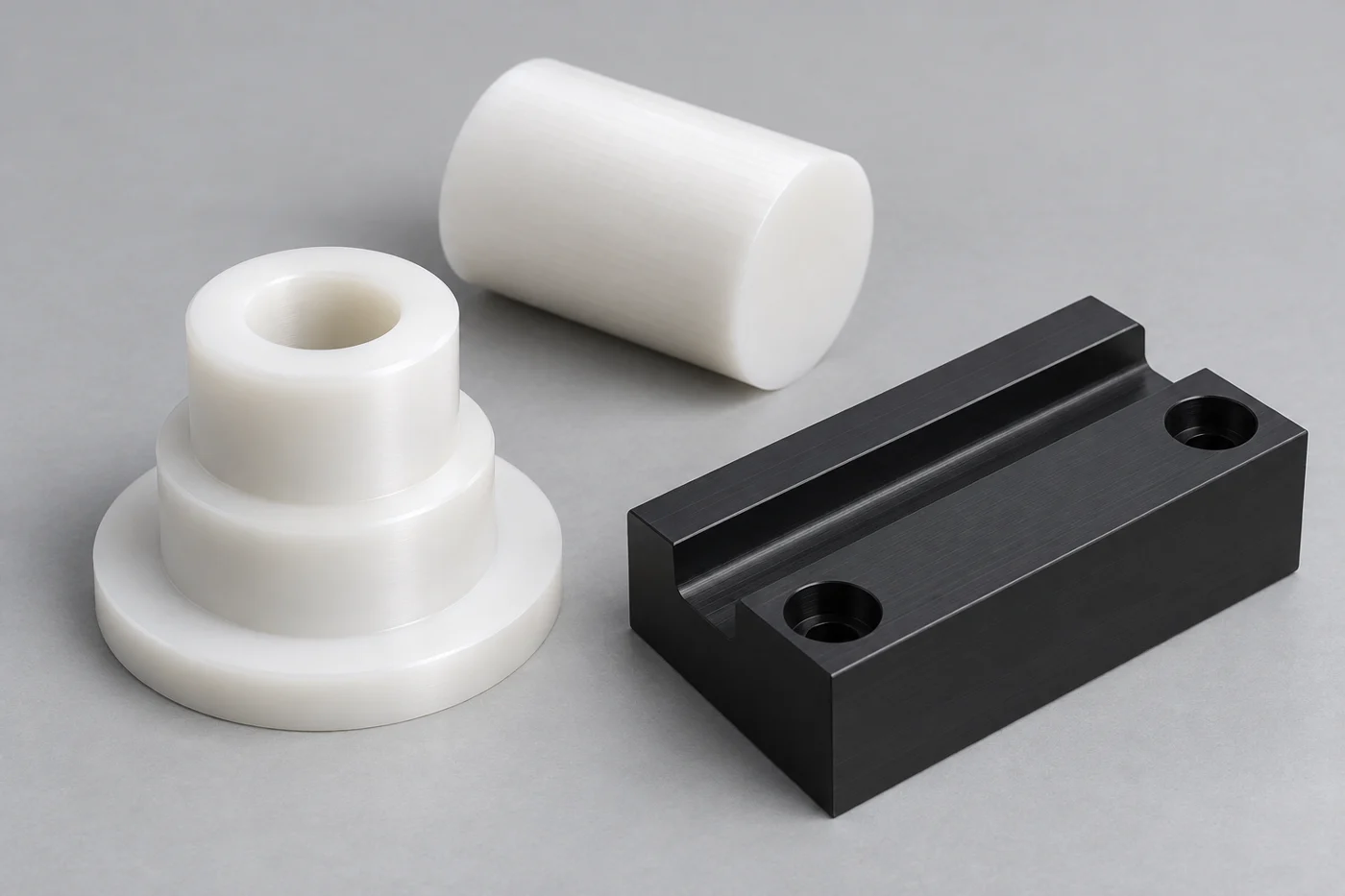
Compare acetal copolymer and homopolymer by exact grade, stock quality, loading, cleaning exposure and material substitution requirements.
Read the guide →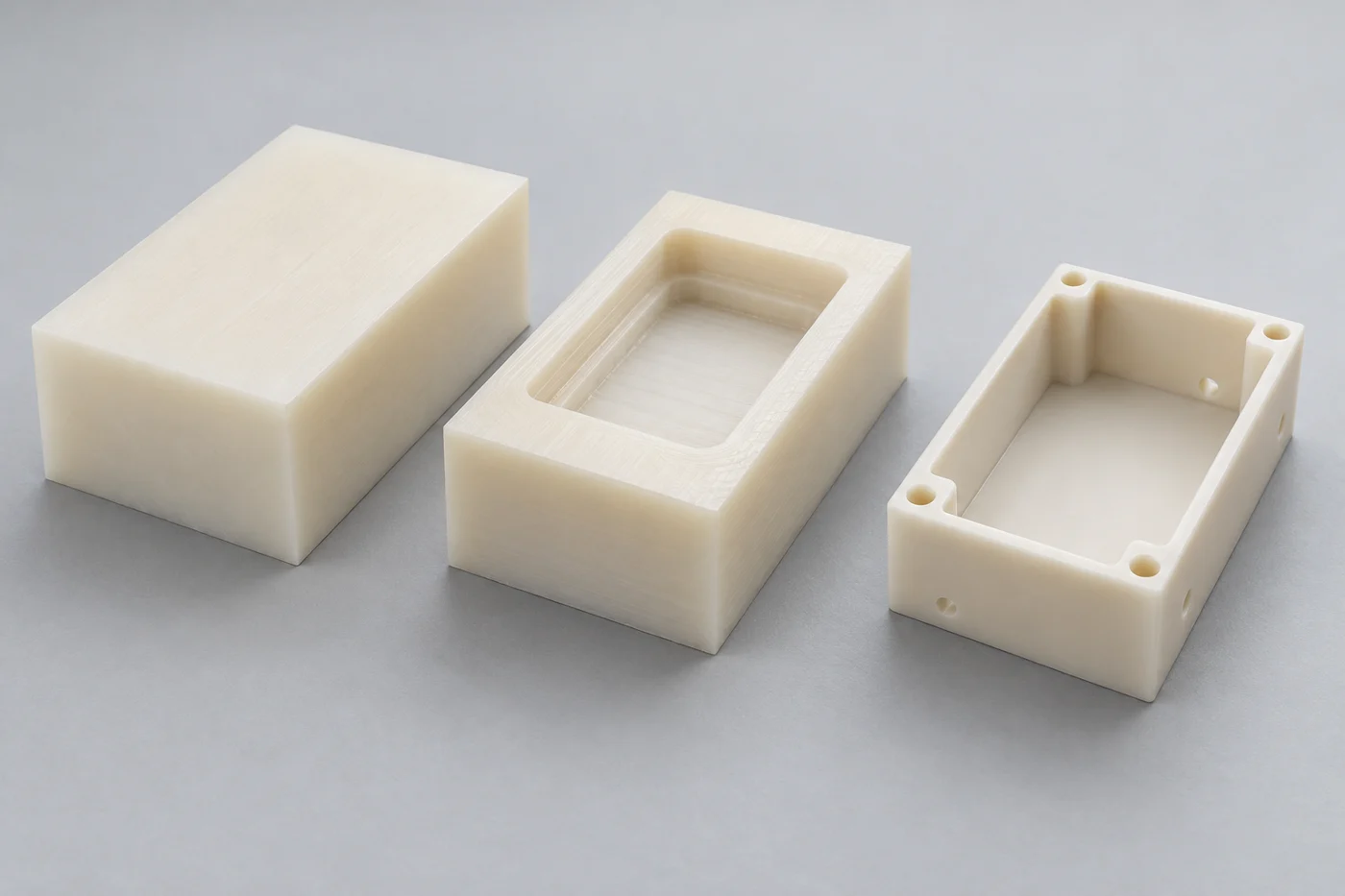
Review when annealing is justified, distinguish processing stages and agree material-specific procedures, finishing allowances and final inspection.
Read the guide →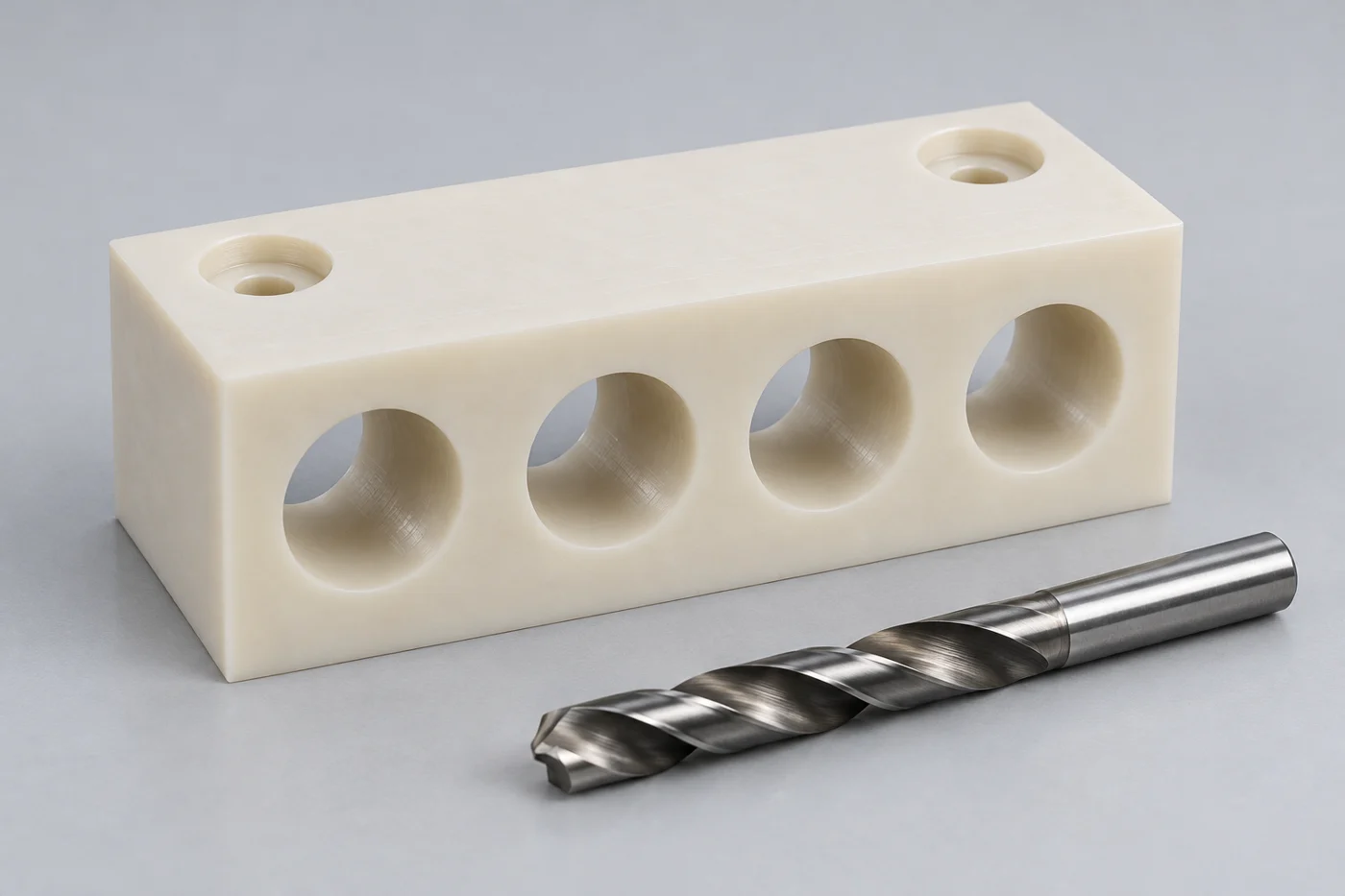
Define hole diameter, usable blind depth, datums, chip removal and inspection requirements before ordering drilled plastic components.
Read the guide →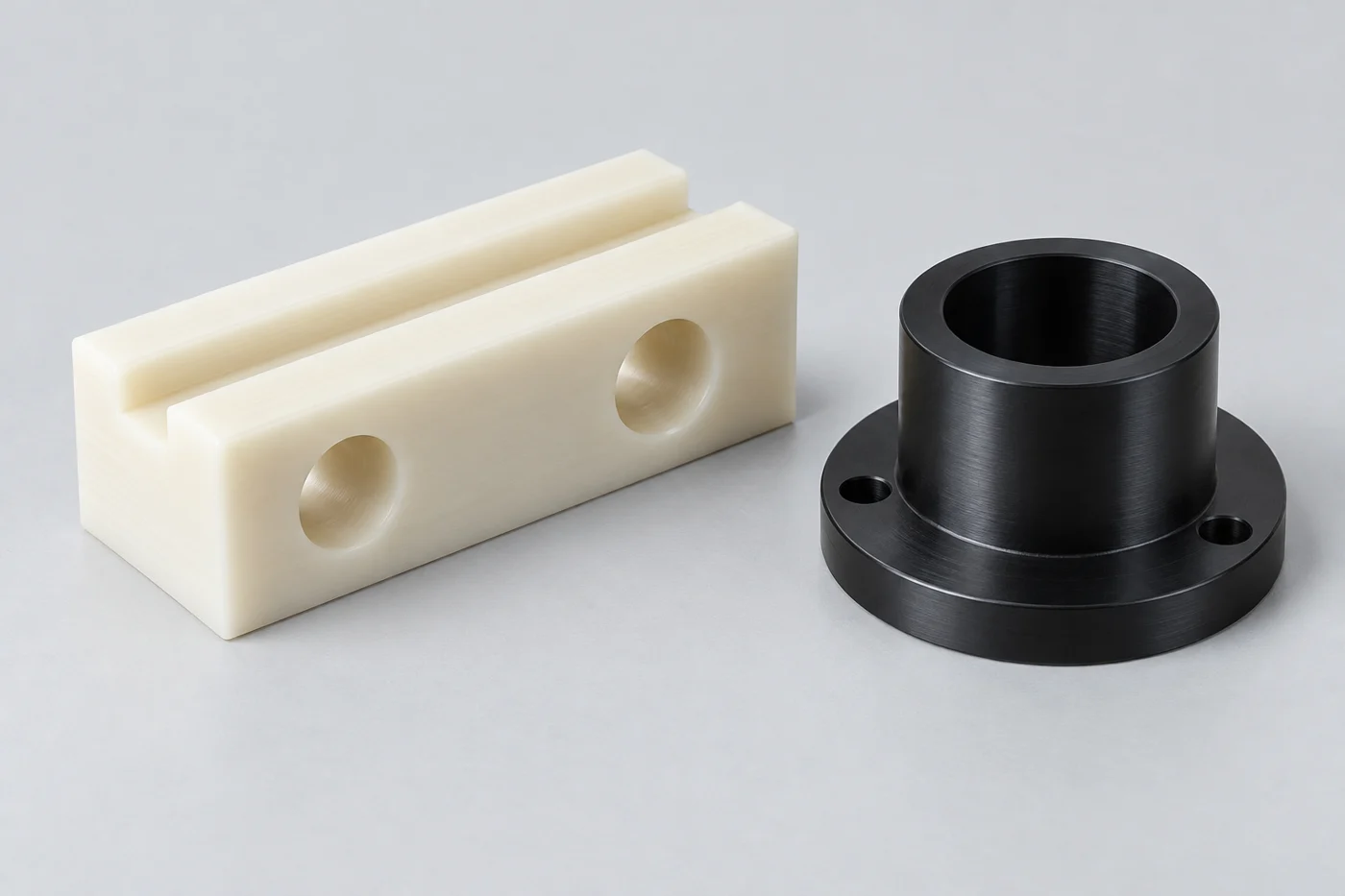
Compare PET and POM for machined guides, sleeves and wear components through grade selection, installed fit, service trials and purchasing requirements.
Read the guide →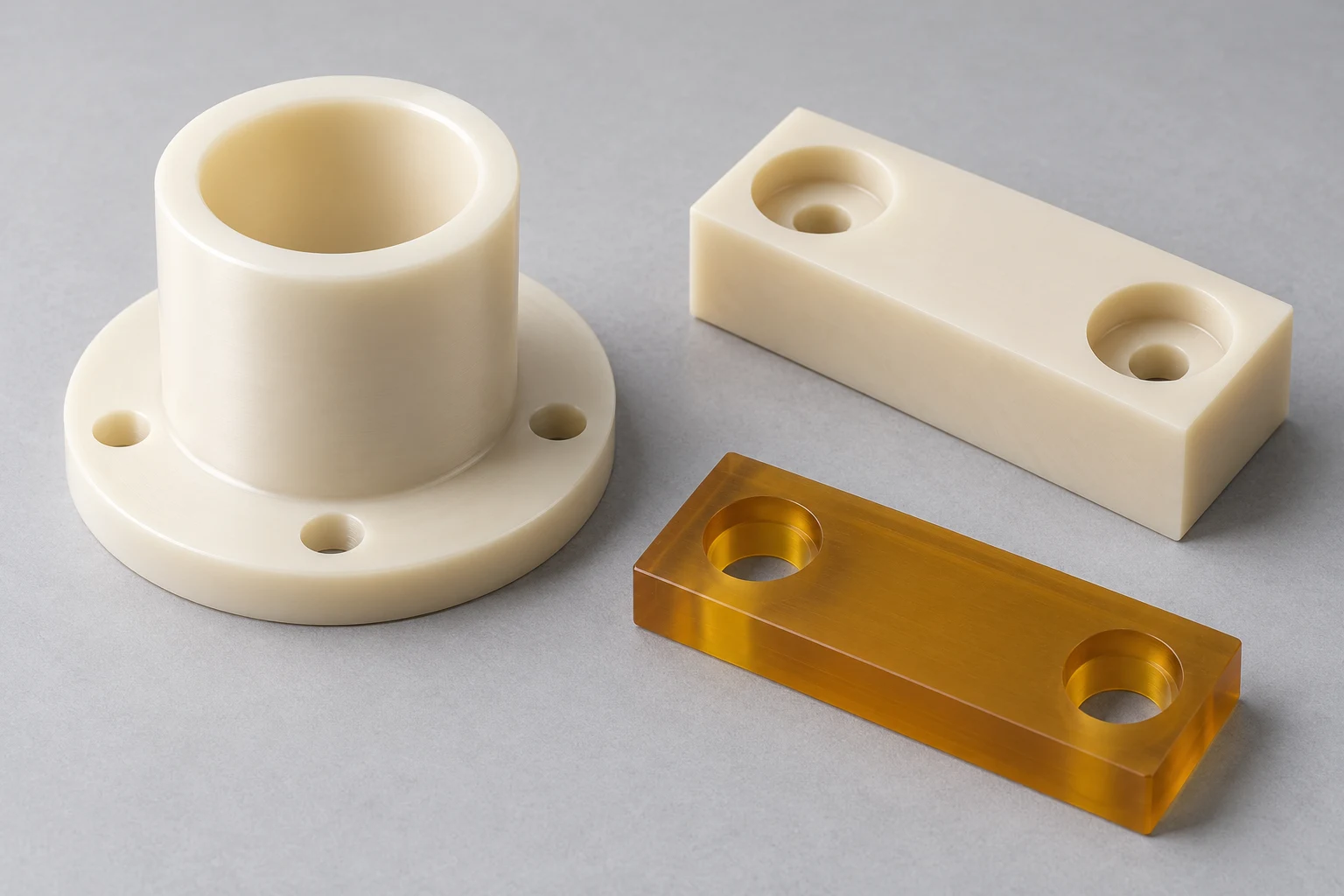
Review electrical properties, exact grades, mechanical interfaces, documentation and validation responsibilities before ordering machined insulating components.
Read the guide →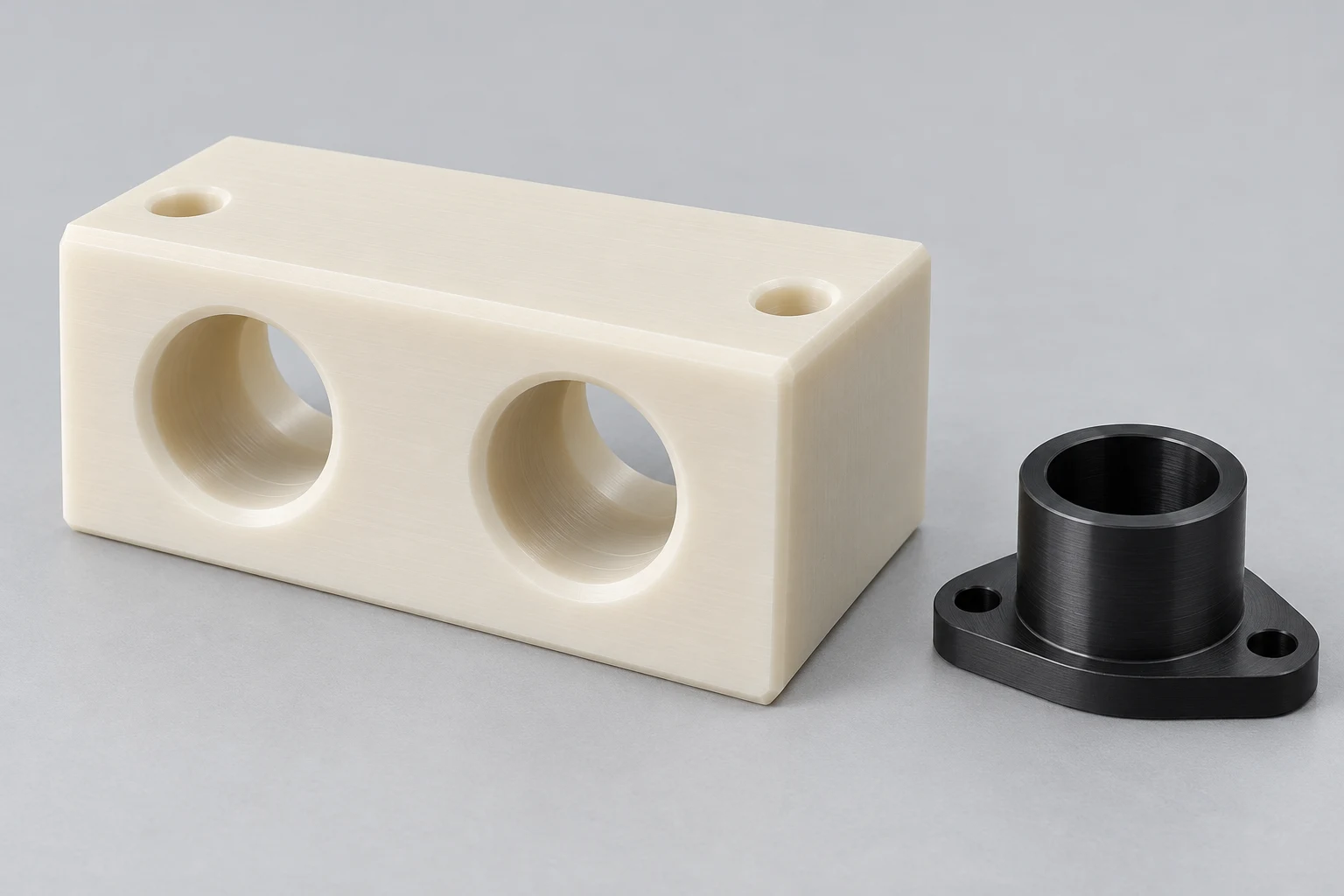
Define burr removal, intended edge geometry, internal passages, cleaning and inspection requirements before approving machined plastic parts.
Read the guide →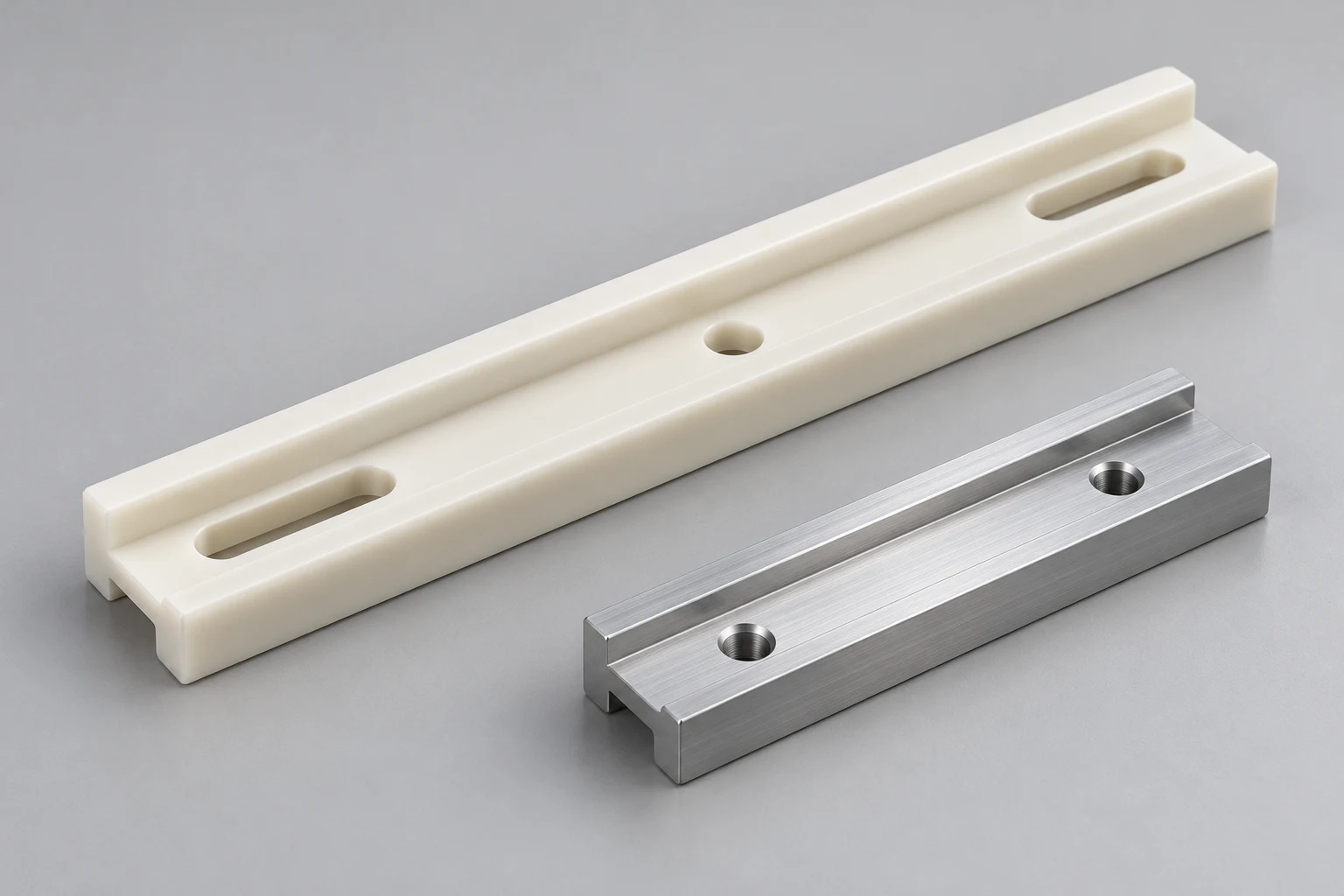
Estimate thermal movement, review mating materials and mounting allowances, and define practical inspection conditions for machined plastic parts.
Read the guide →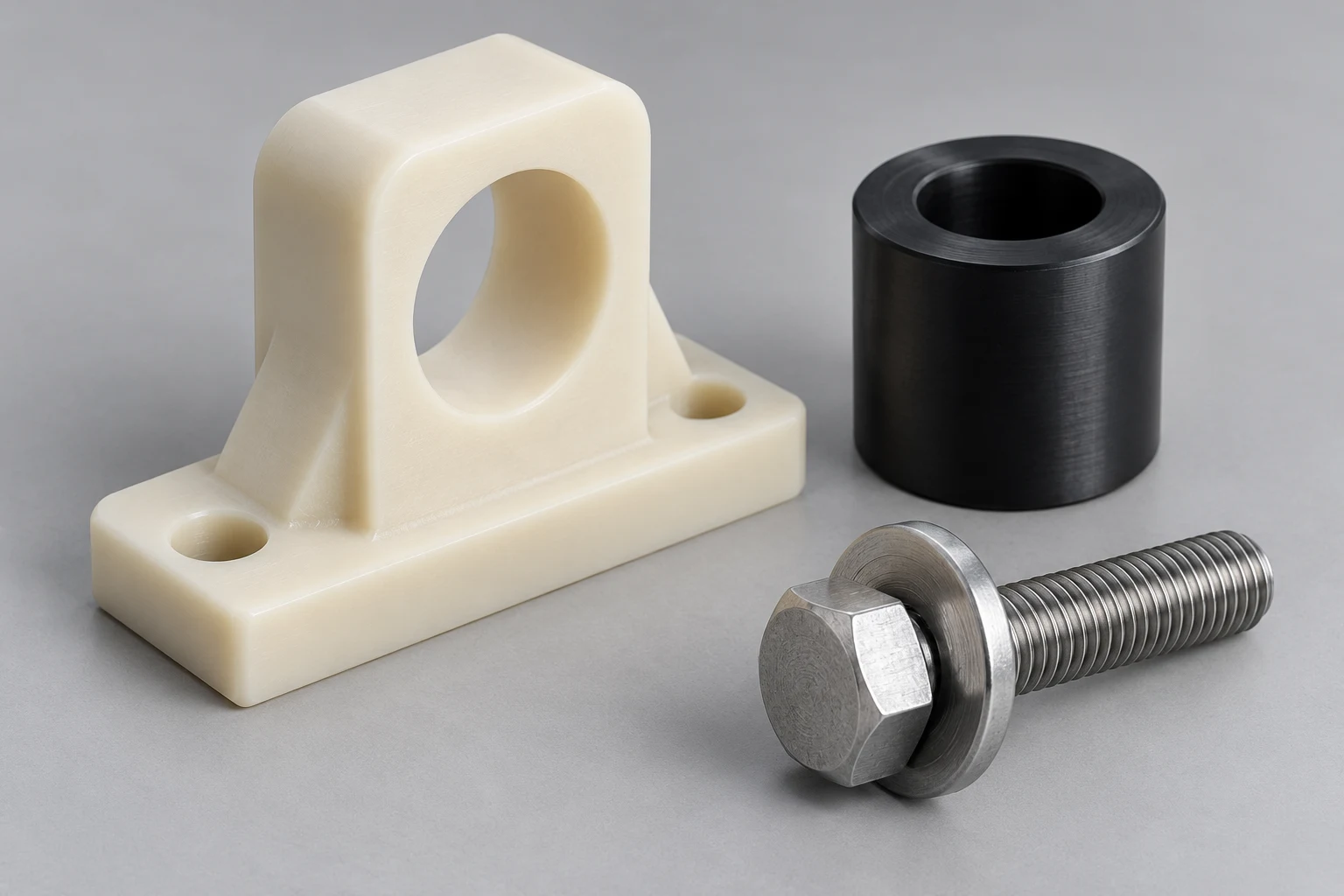
Review sustained loads, retained clamping force, grade-specific evidence and validation requirements for machined plastic parts.
Read the guide →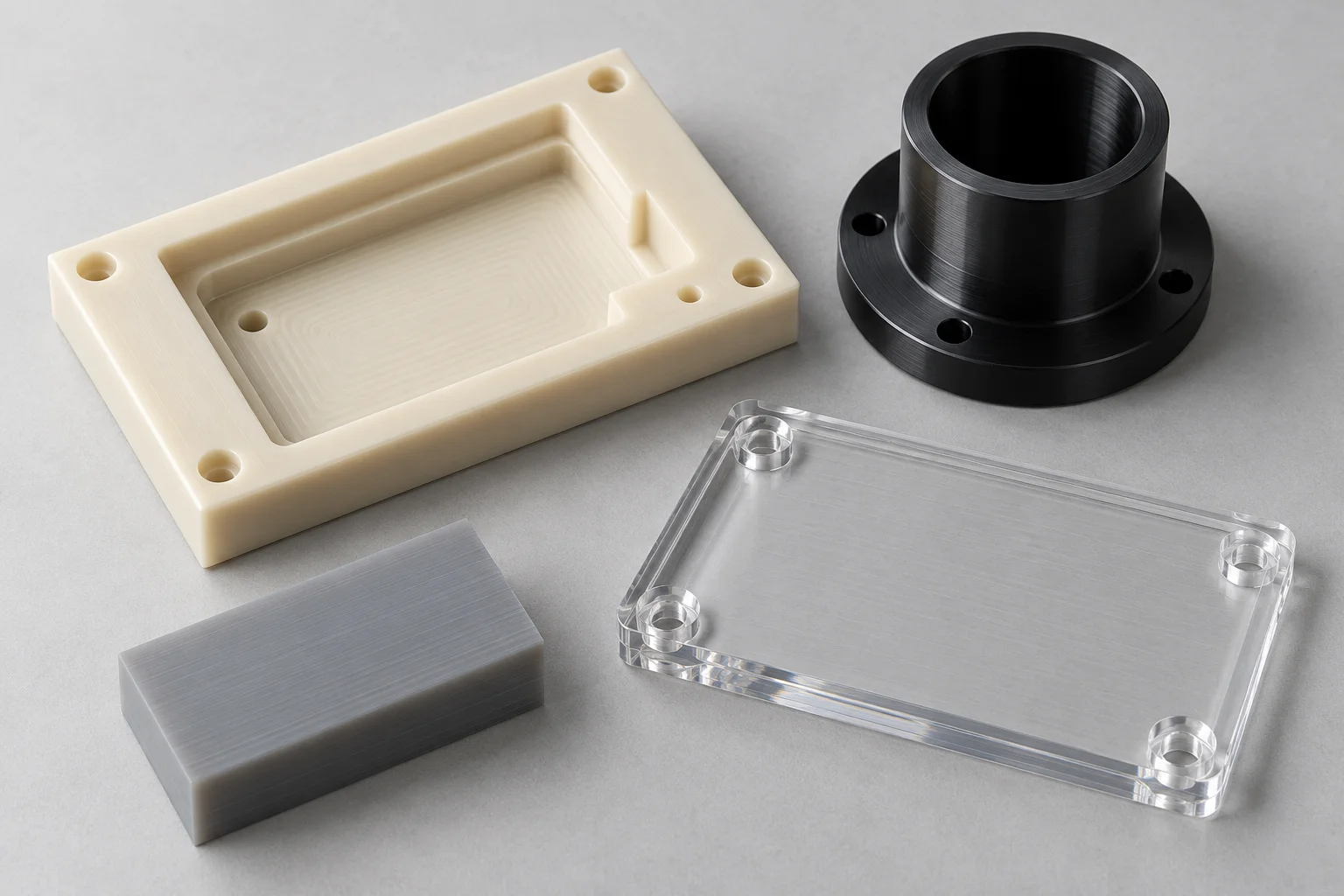
Specify and inspect plastic surface texture, cosmetic appearance and clarity with practical drawing and quotation requirements.
Read the guide →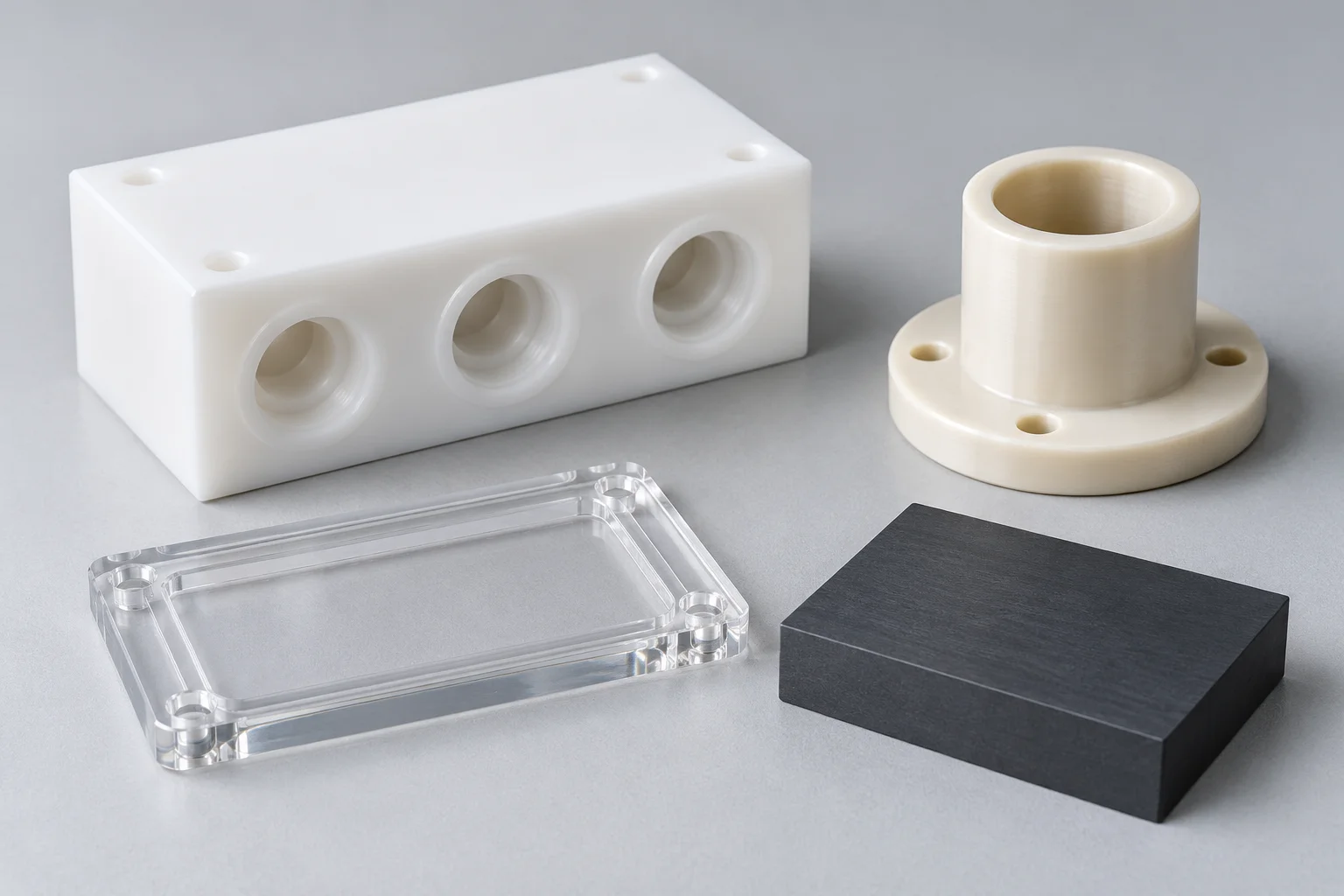
Evaluate chemical compatibility evidence through exact grades, concentration, temperature, contact patterns and representative validation before sourcing machined parts.
Read the guide →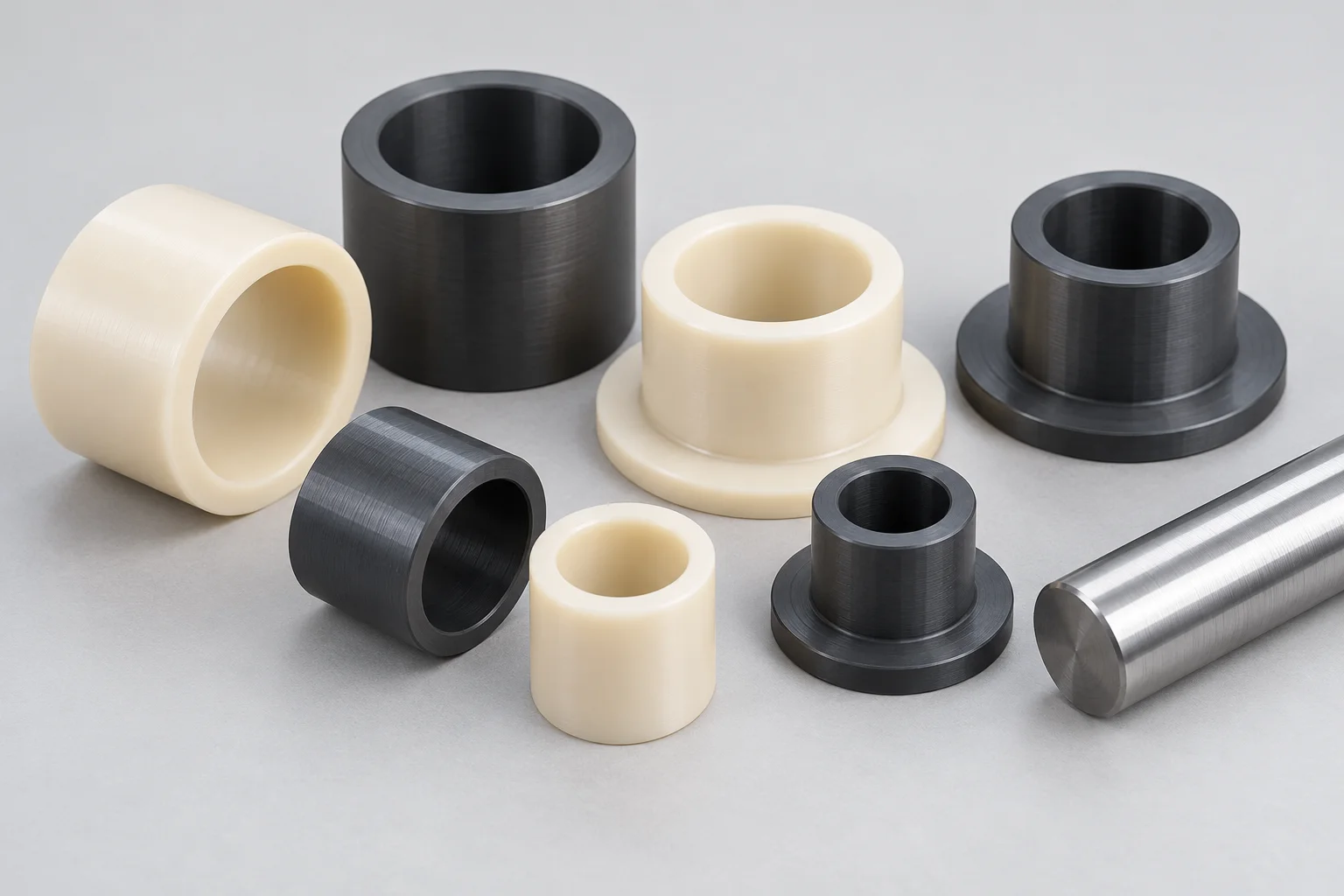
Plan installed plastic bushing clearance through shaft tolerances, housing retention, calculation examples and meaningful inspection conditions.
Read the guide →
Compare directly tapped plastic threads with threaded inserts through material, installation, failure analysis, inspection and RFQ requirements.
Read the guide →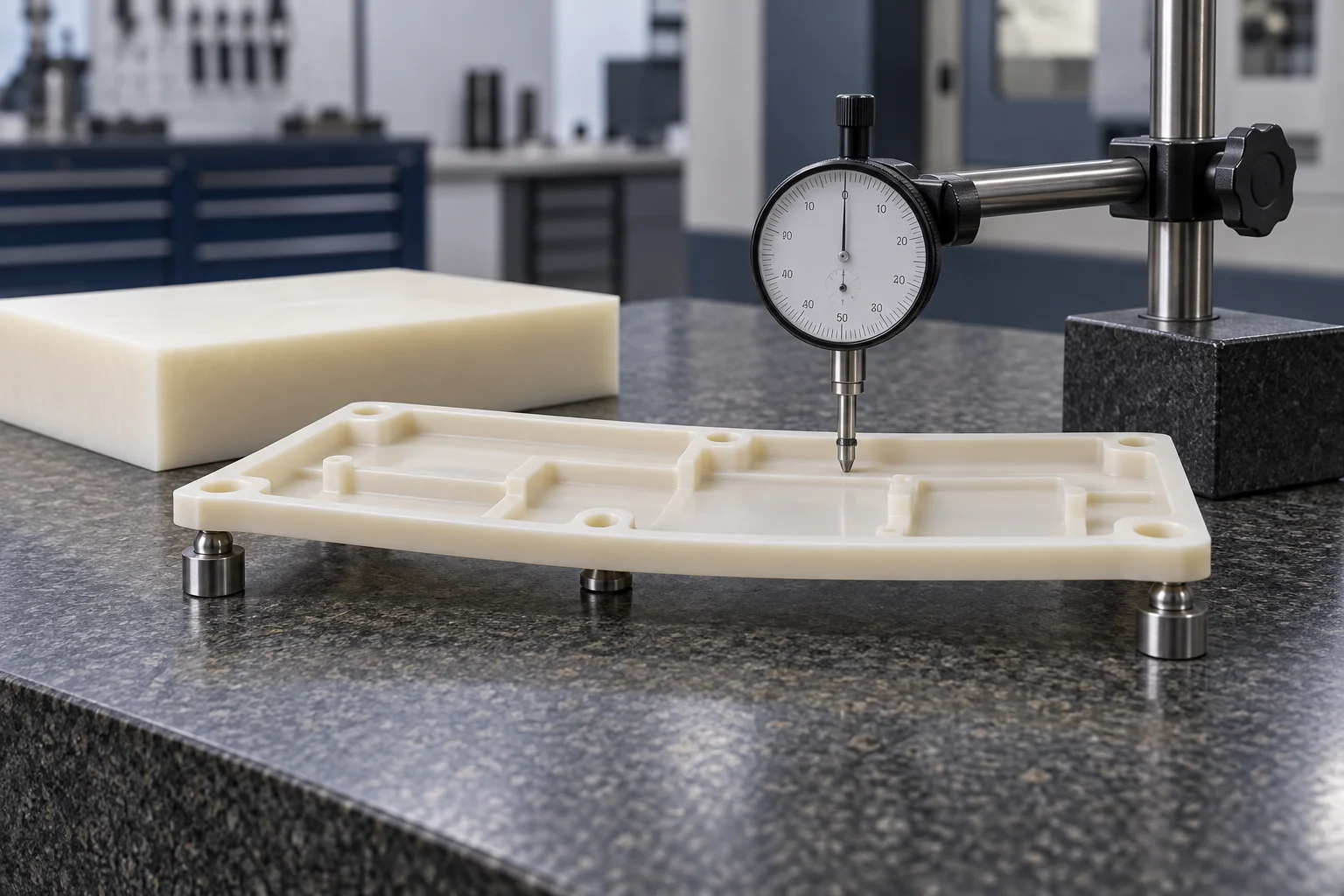
Understand machining warpage, distinguish clamping and thermal movement, and review annealing and inspection before ordering plastic parts.
Read the guide →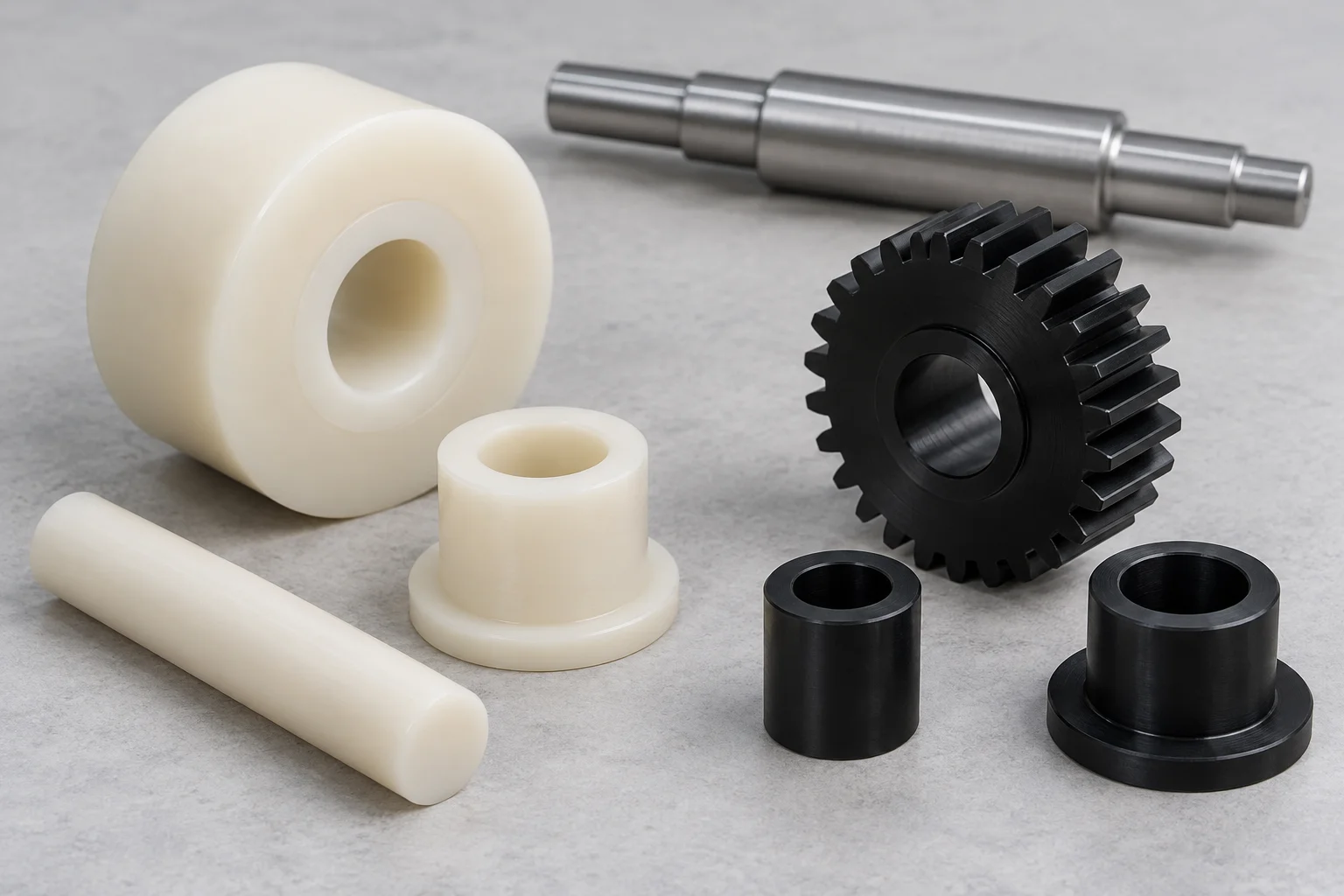
Compare Nylon and Delrin by moisture, installed fit, loading, wear, machining and total accepted-part cost.
Read the guide →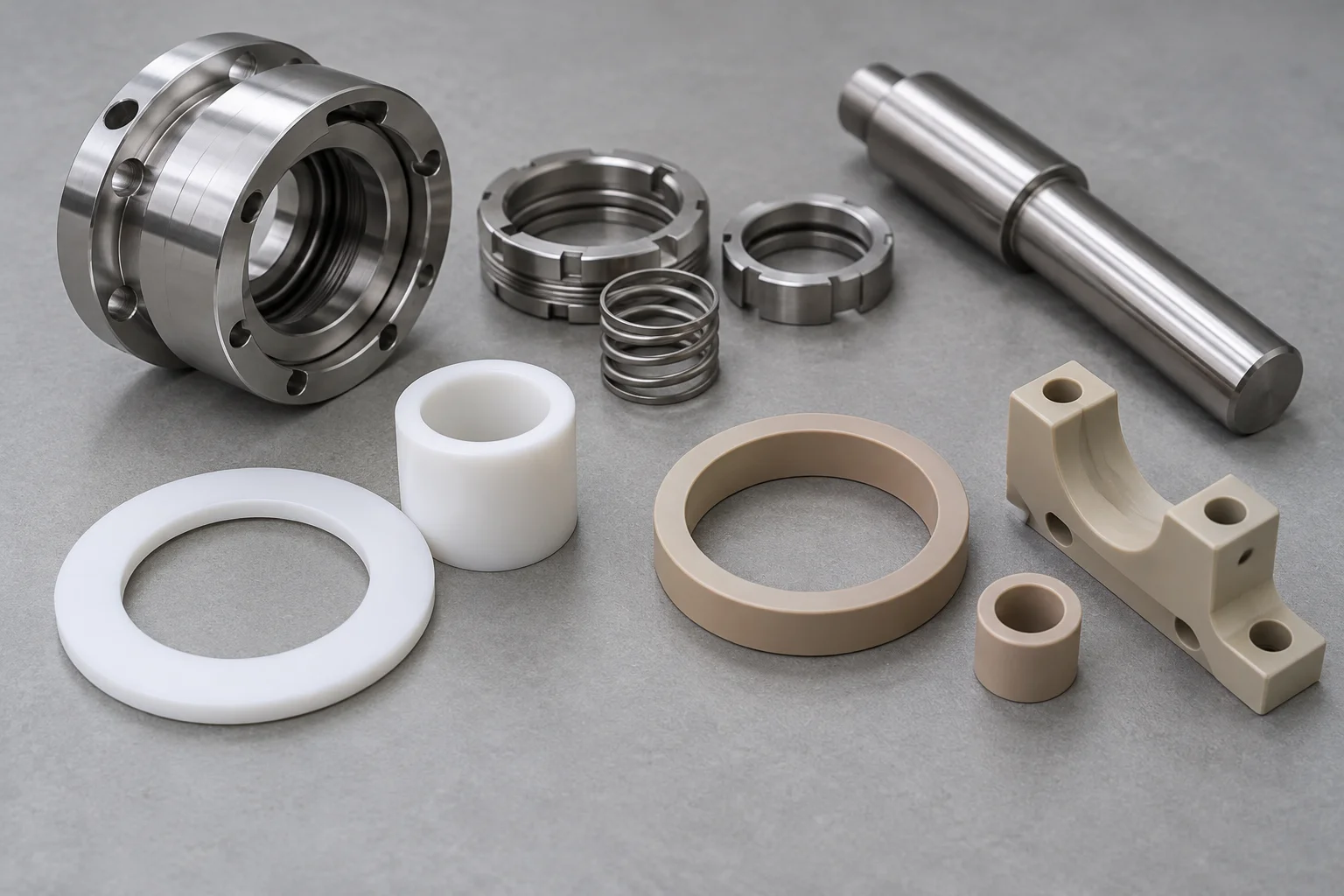
Compare PTFE and PEEK by sealing role, friction, creep, load, chemical exposure and machining requirements.
Read the guide →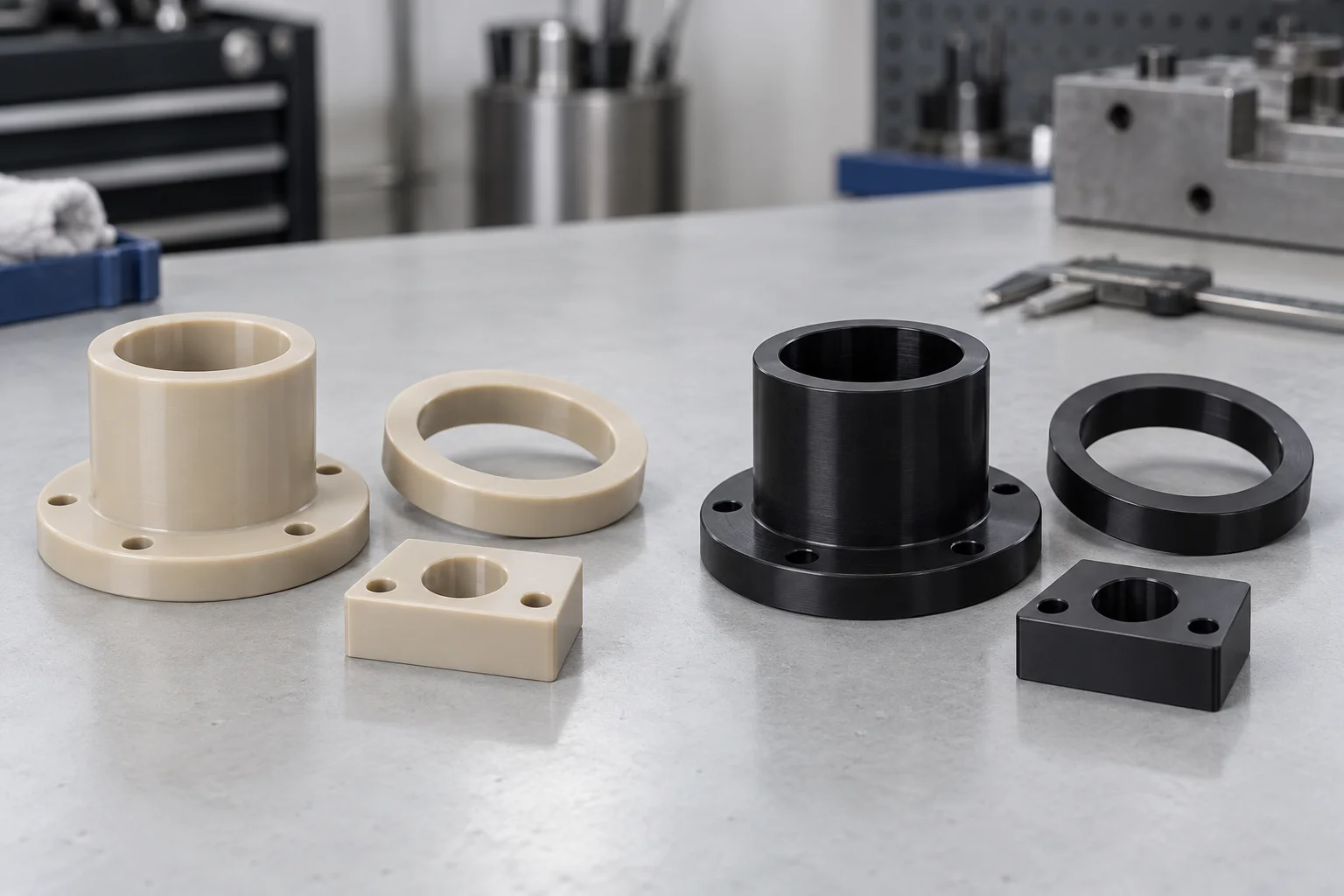
Compare PEEK and Delrin by temperature, creep, wear, chemicals, machining and total cost.
Read the guide →
Choose engineering plastics through application requirements, exact grades, manufacturing review and representative validation.
Read the guide →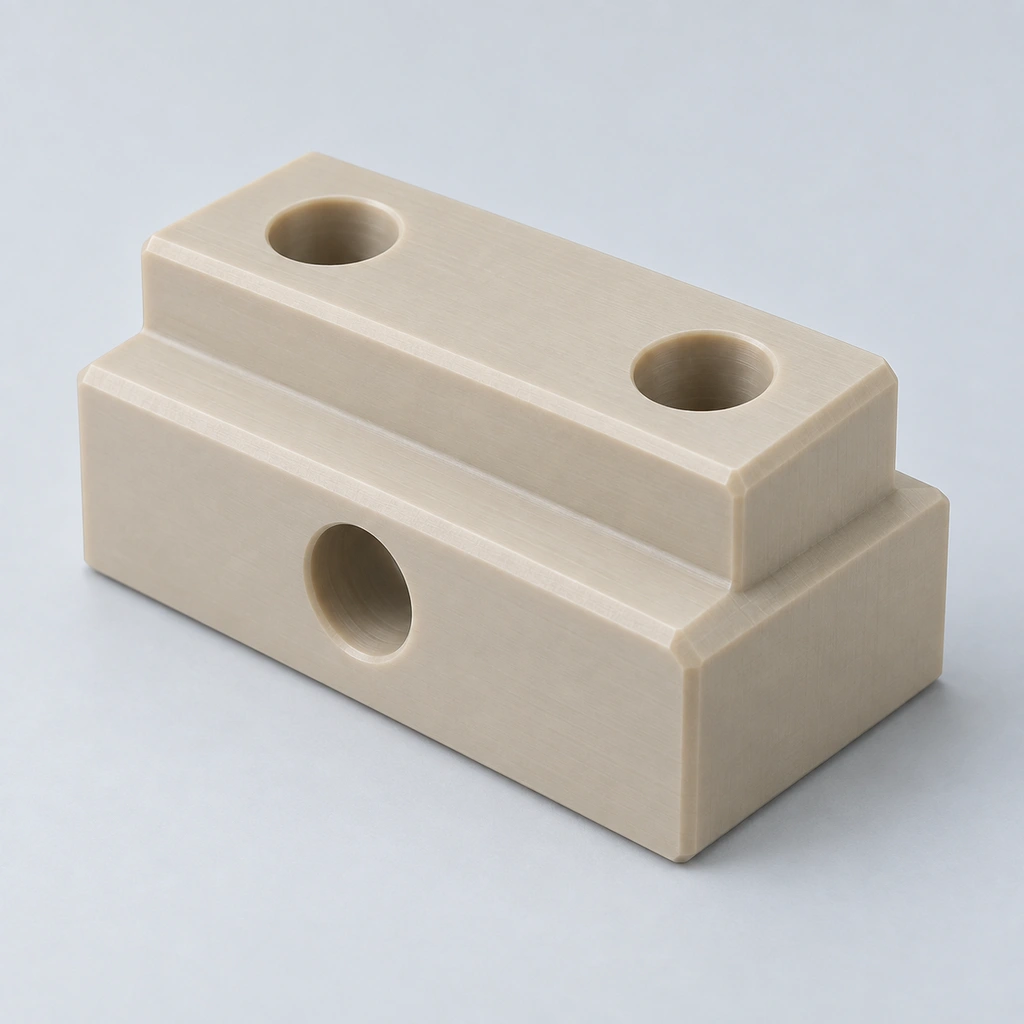
Choose engineering plastics by application requirements, exact grade and validation evidence rather than price alone.
Read the guide →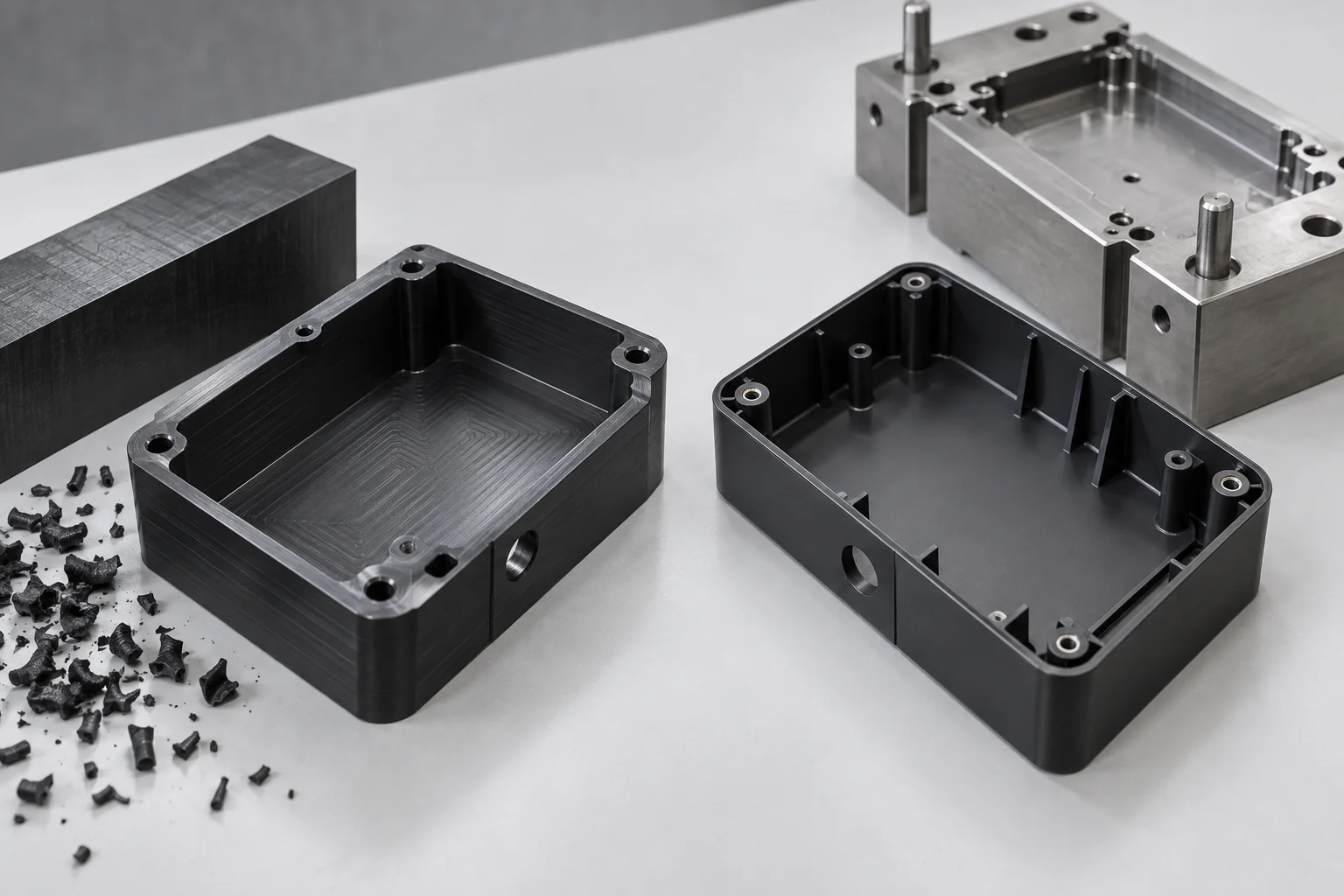
Compare CNC plastic machining and injection molding through complete costs, geometry, material grades and production validation.
Read the guide →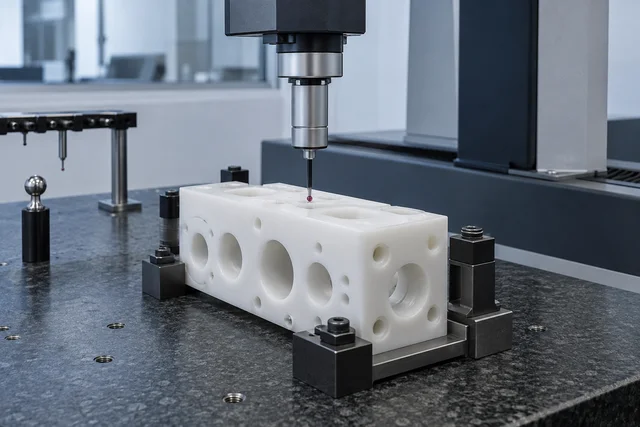
Define critical features, material condition and acceptance evidence before purchasing precision plastic parts.
Read the guide →