CNC Plastic Machining Services for Custom Plastic Parts
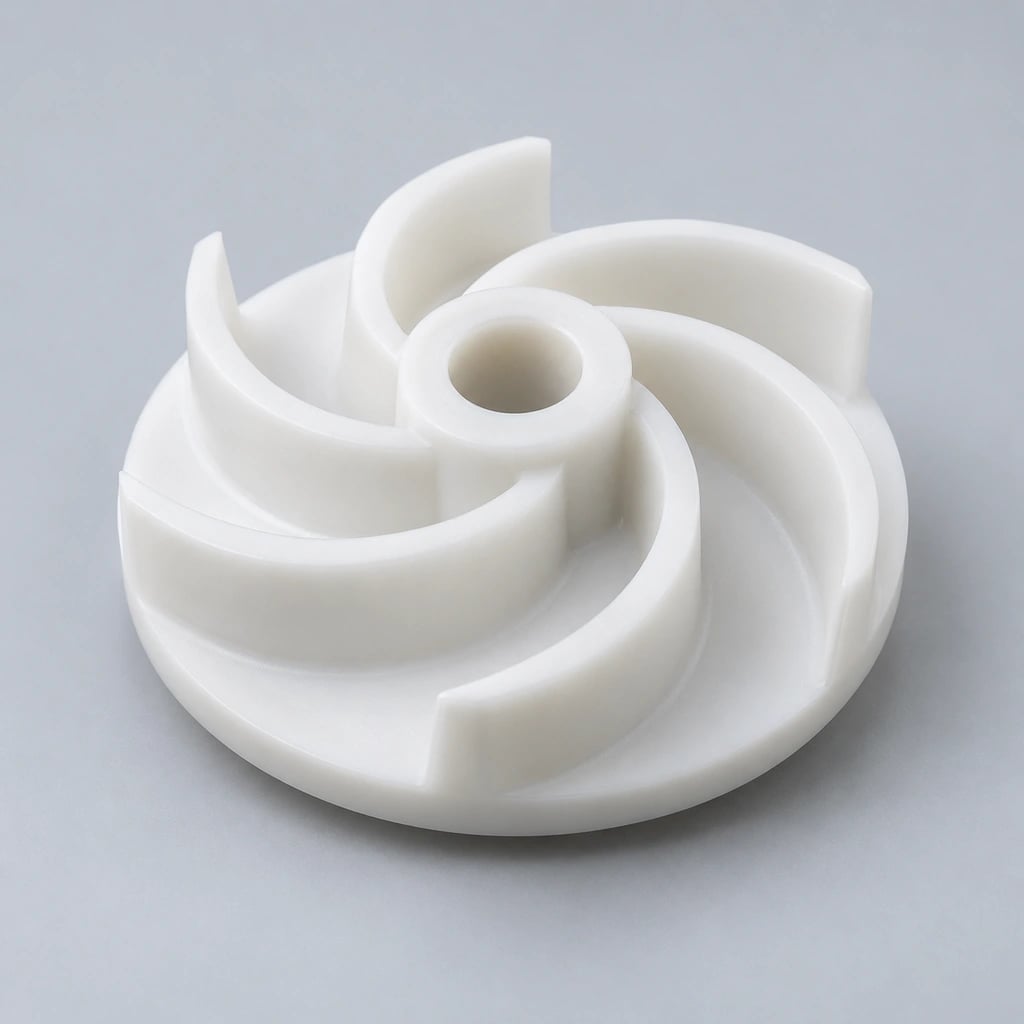
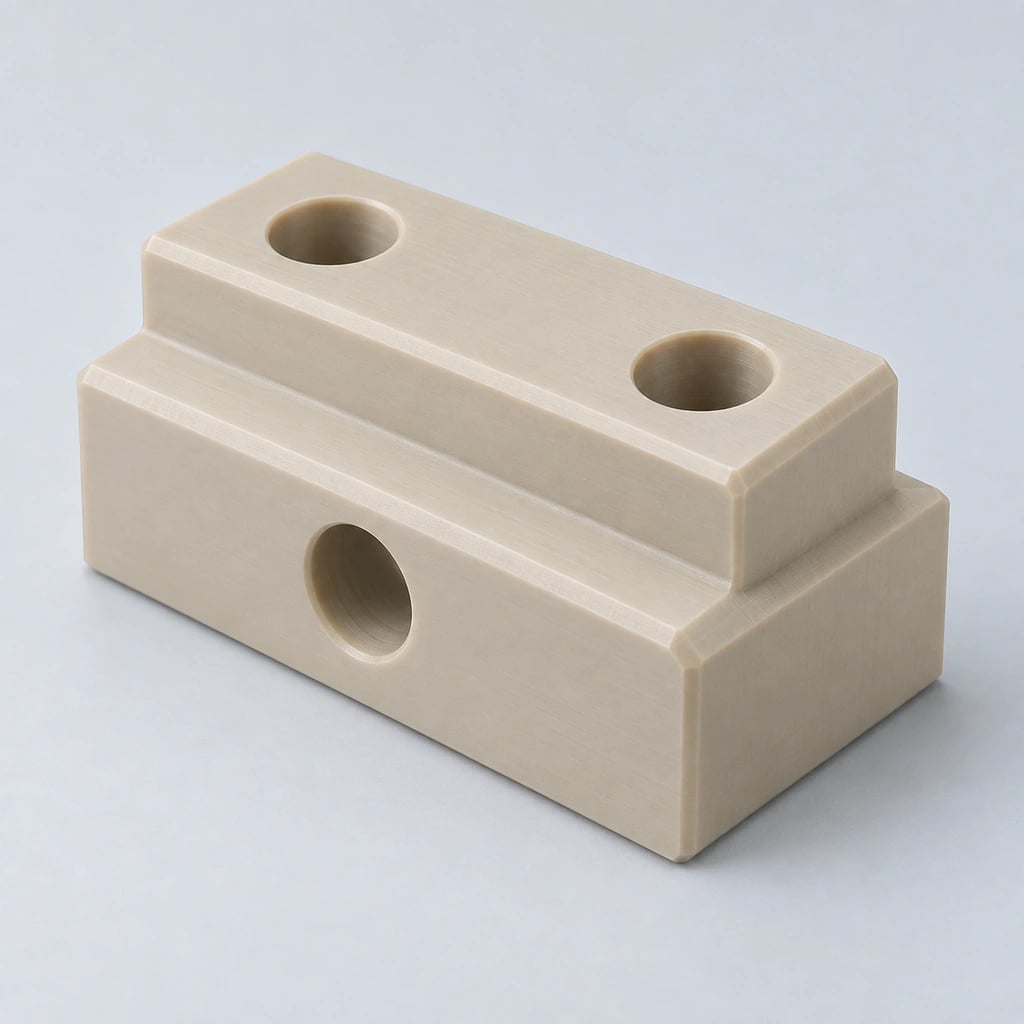
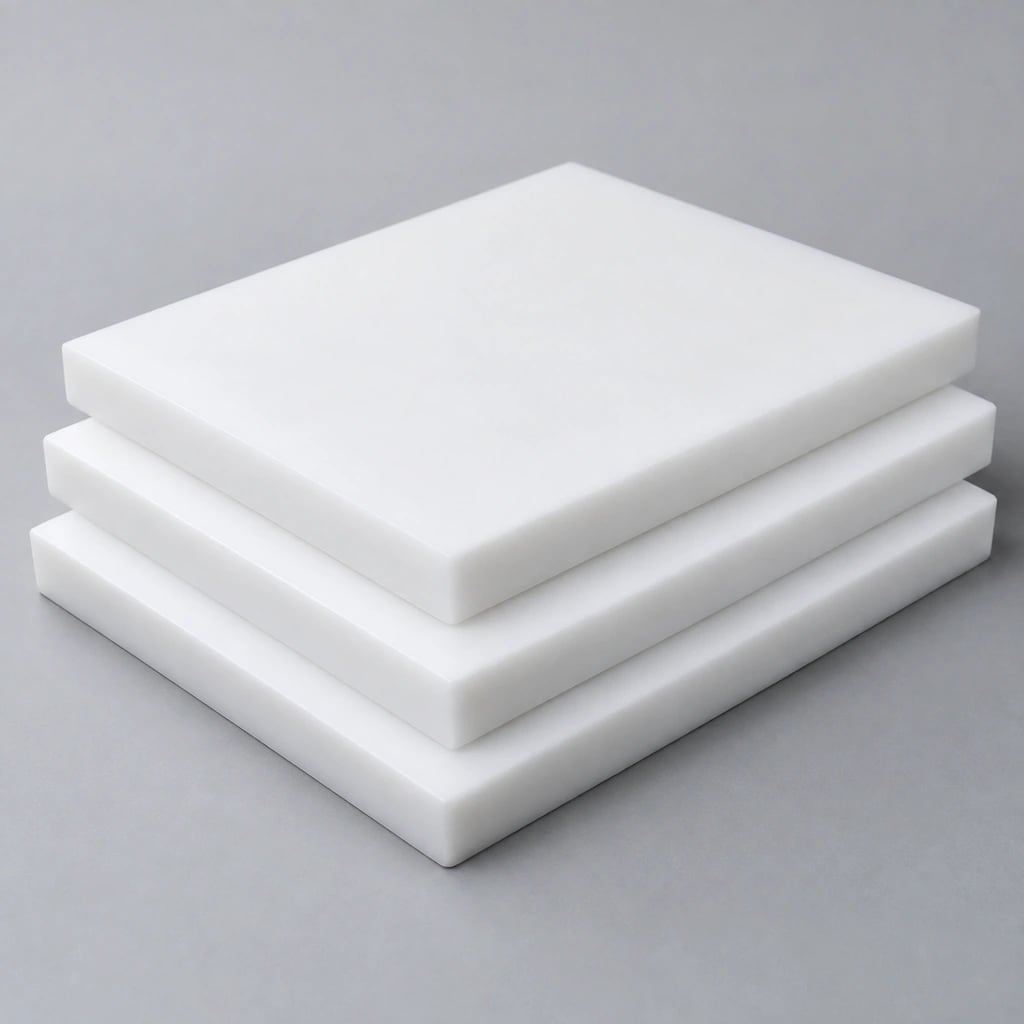
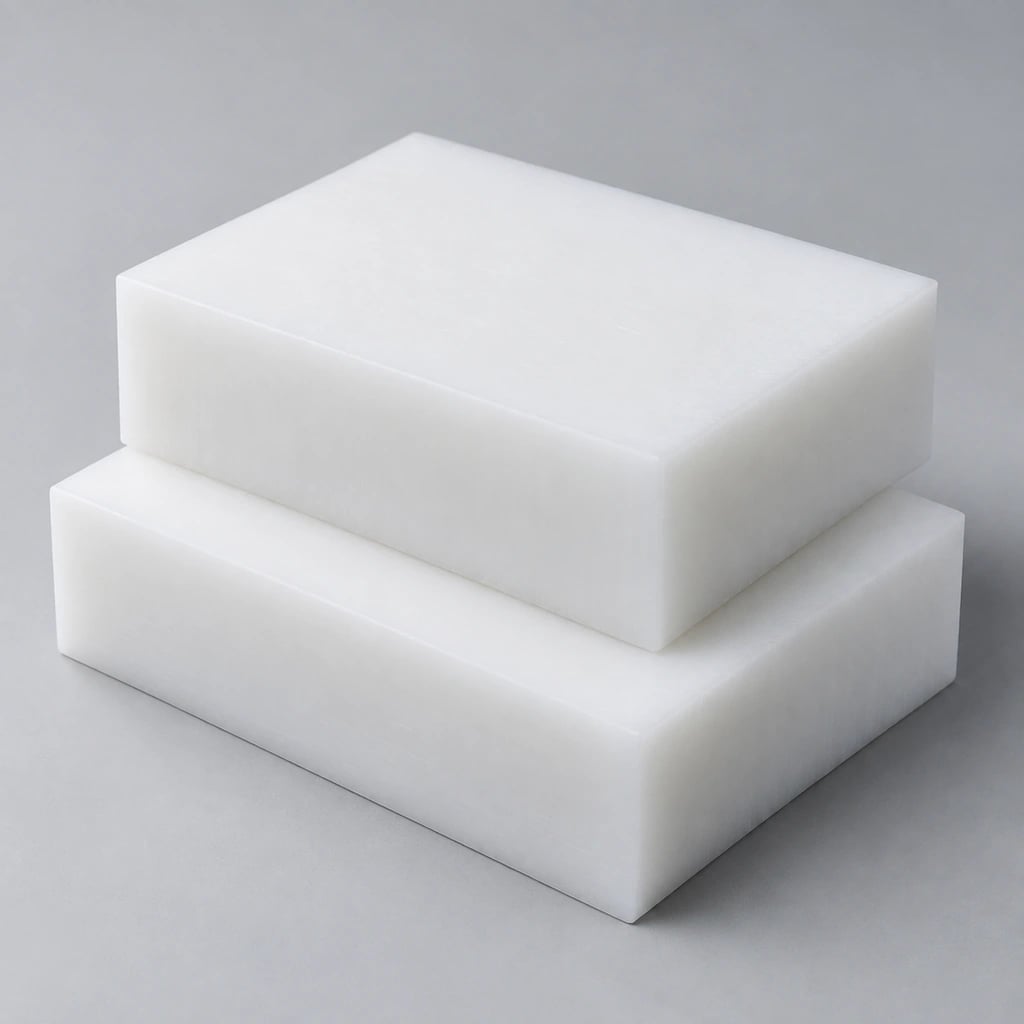
TOPS Plastics provides precision CNC plastic machining for prototypes, low-volume production, and custom plastic components. We machine engineering plastics including PEEK, Delrin/POM, PTFE, Nylon, UHMW, Polycarbonate, Acrylic, Ultem, PVDF and more according to your CAD files and engineering drawings.
Custom plastic machining starts with your model, drawing and material specification. The following overview defines the available process routes; final dimensions, finishes and acceptance criteria are confirmed for the individual project.
Capability
TOPS Plastics
CNC Processes
Milling, turning, drilling, tapping and boring
Axis Capability
3-axis, 4-axis and 5-axis; route selected after geometry review
Production Volume
Prototype, low-volume and repeat production
Materials
PEEK, POM, PTFE, Nylon, UHMW, PC, PMMA, ABS, PVC, PP, PEI, PVDF and other specified grades
Drawing Formats
STEP, STP, IGES, X_T, DWG, DXF and PDF
Inspection
Dimensional inspection according to the drawing and agreed inspection plan
Customization
OEM / drawing-based manufacturing
Maximum workpiece size, machine travel, surface roughness, lead time and numerical tolerances are quotation-specific. Send your drawing for confirmation.
What Is CNC Plastic Machining?
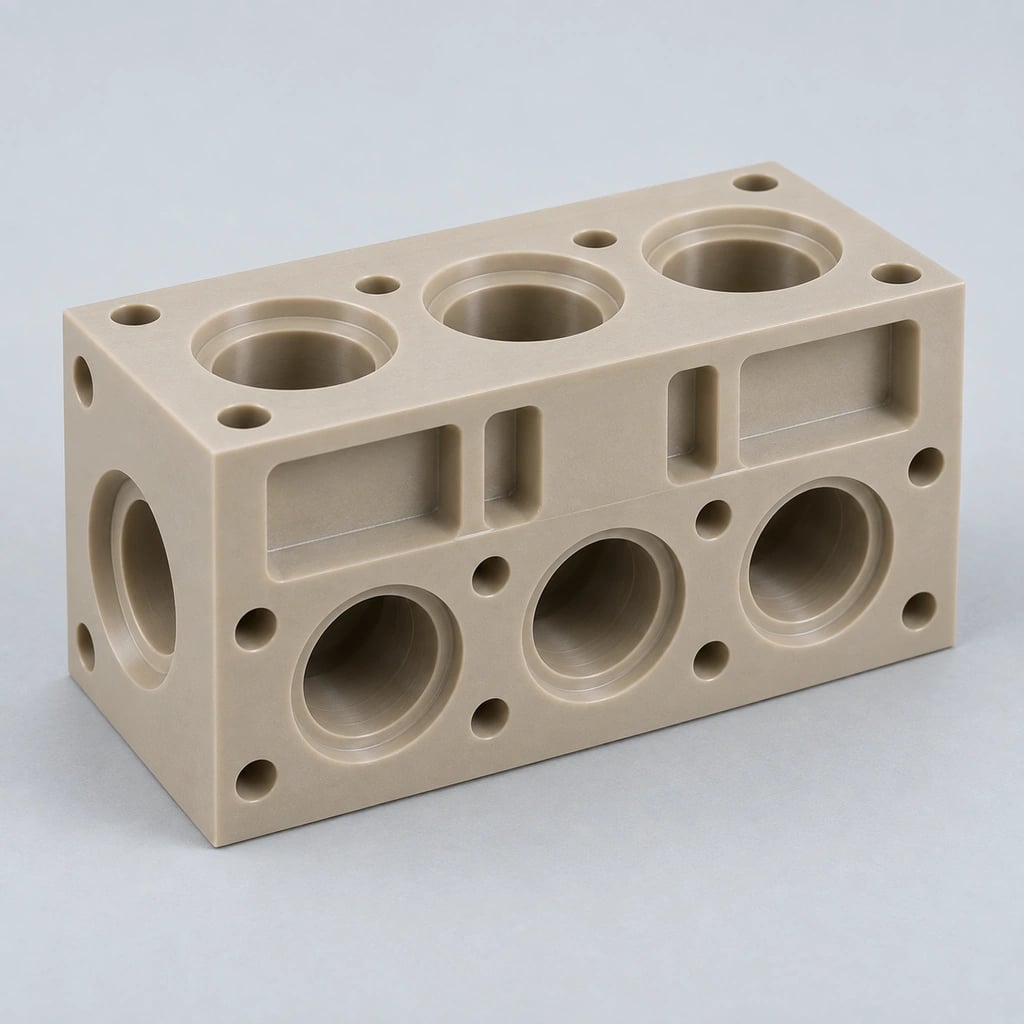
CNC plastic machining is a subtractive manufacturing process in which computer-controlled milling or turning equipment removes material from solid plastic stock to create precision components. Unlike injection molding, CNC machining generally does not require a dedicated mold, making it useful for functional prototypes, low-volume production and complex parts made from engineering-grade materials.
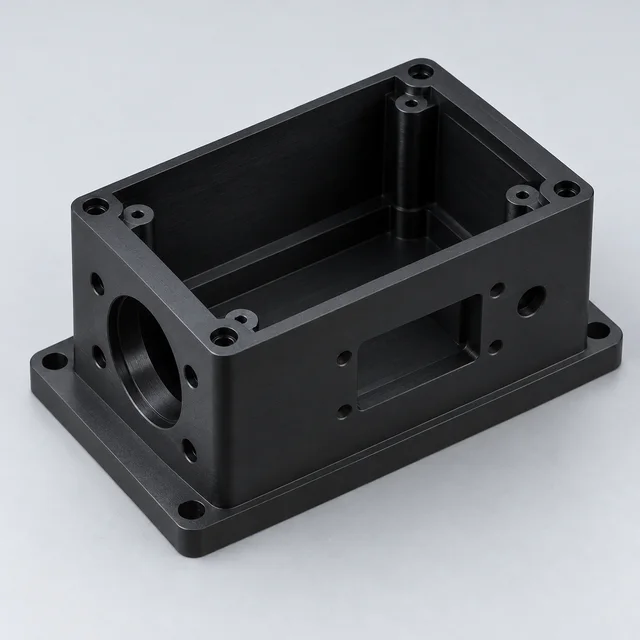
The process is commonly used for bushings, gears, manifolds, insulators, rollers, housings and fixtures. Selection is based on the application, not simply the plastic name: a component may need controlled wear, electrical insulation, chemical resistance or a stable fit at its operating temperature. A CAD model defines geometry, while an engineering drawing communicates critical dimensions and acceptance requirements. Reviewing both before cutting supports a practical machining and inspection plan.
Our CNC Plastic Machining Services
Milling, turning and multi-axis operations cover different component geometries. A combined route can be selected when your part needs both rotational features and accurately located milled details.
CNC Plastic Milling
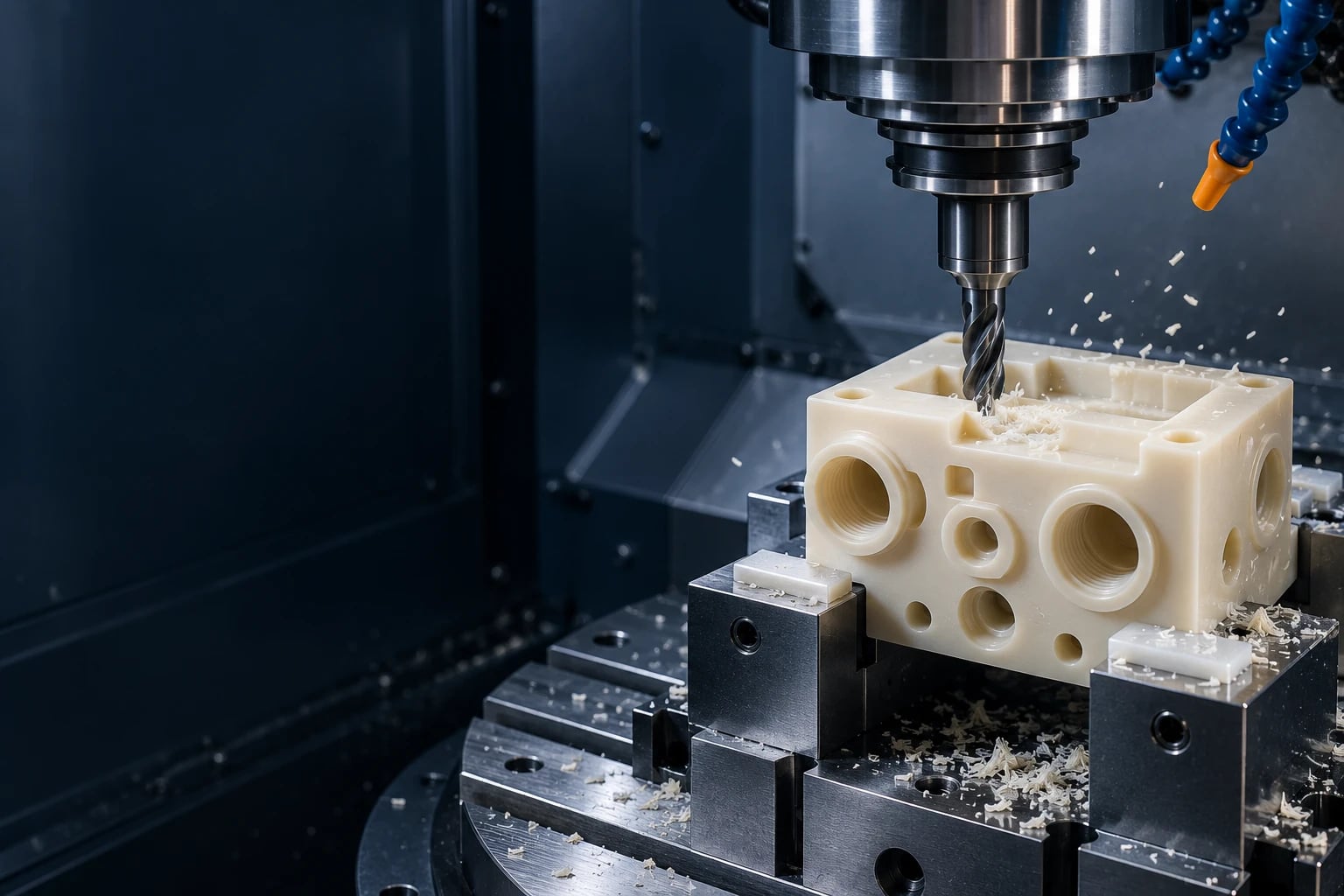
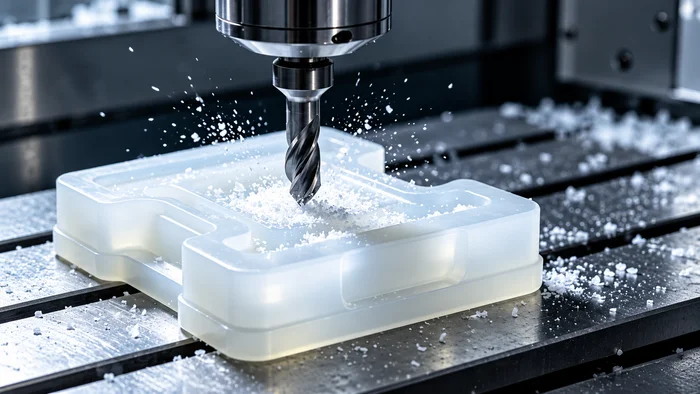
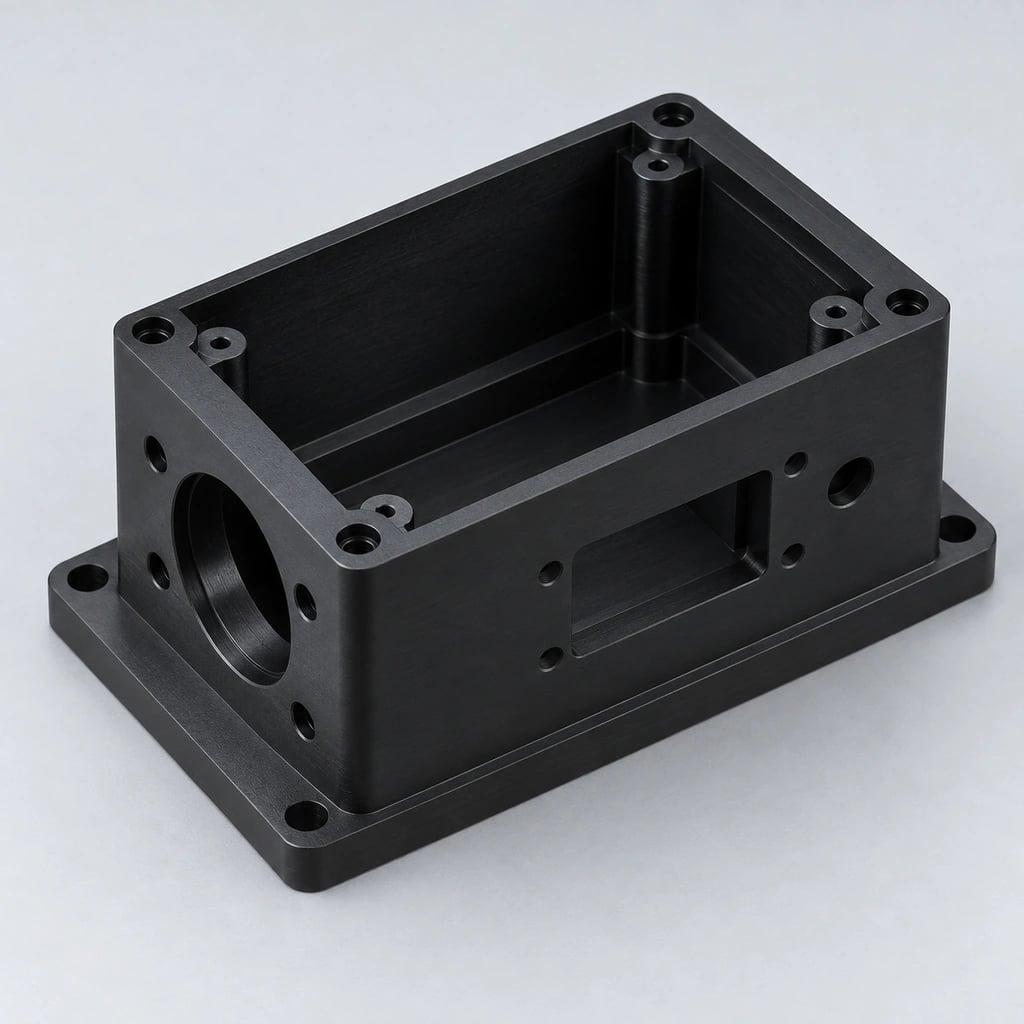
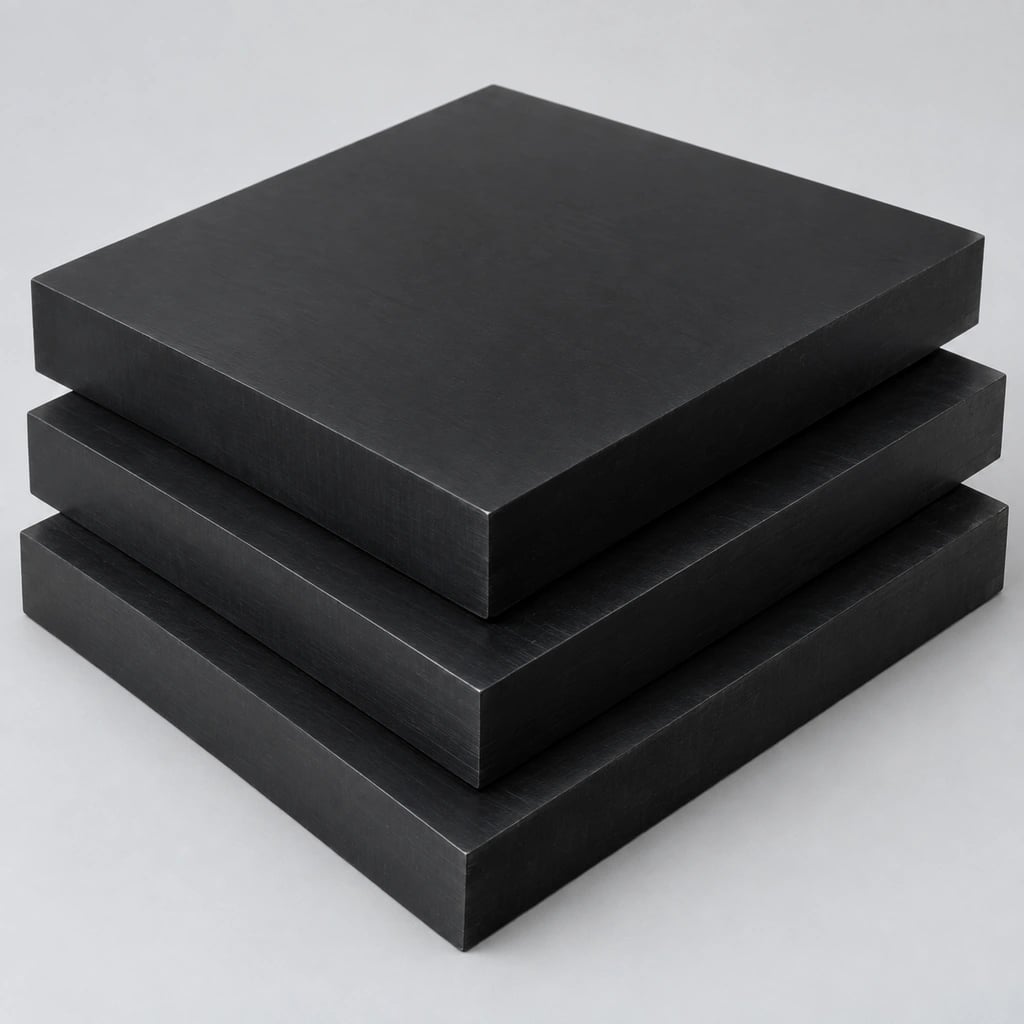
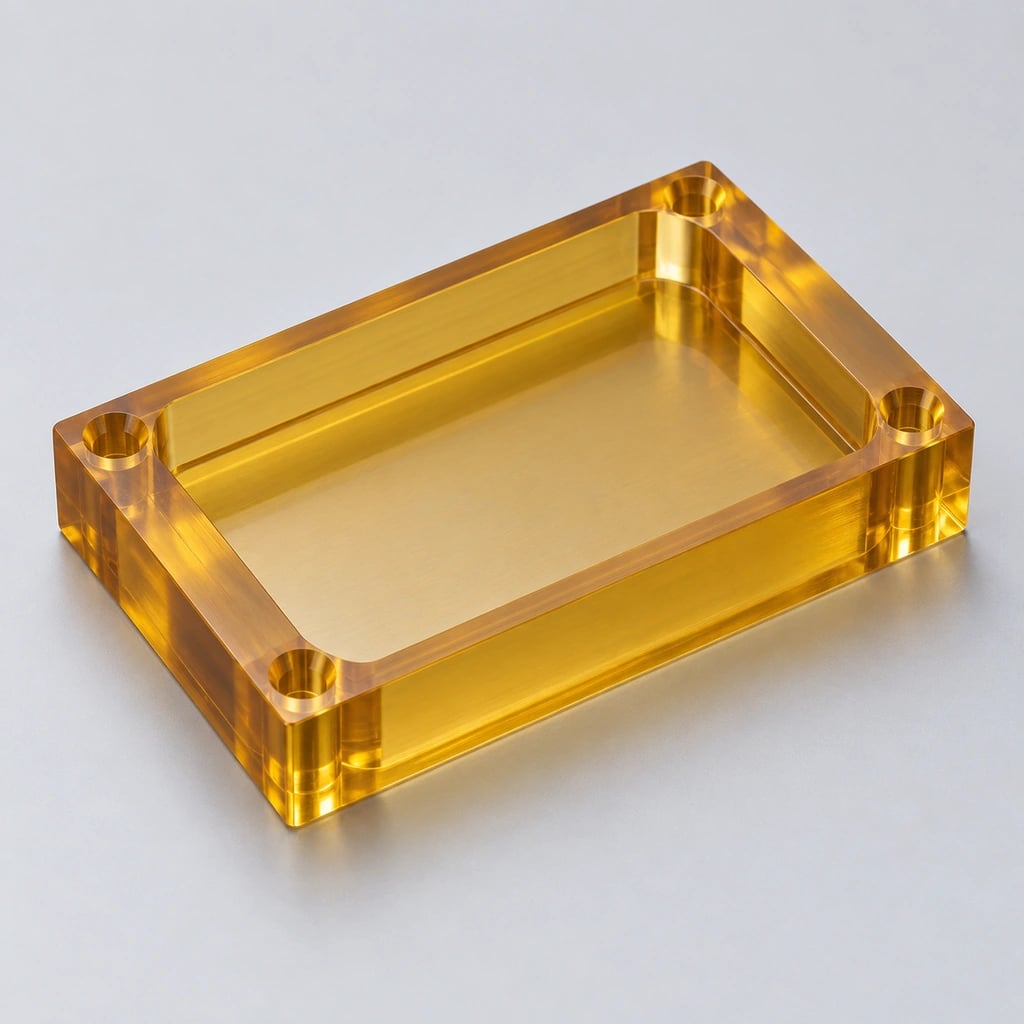
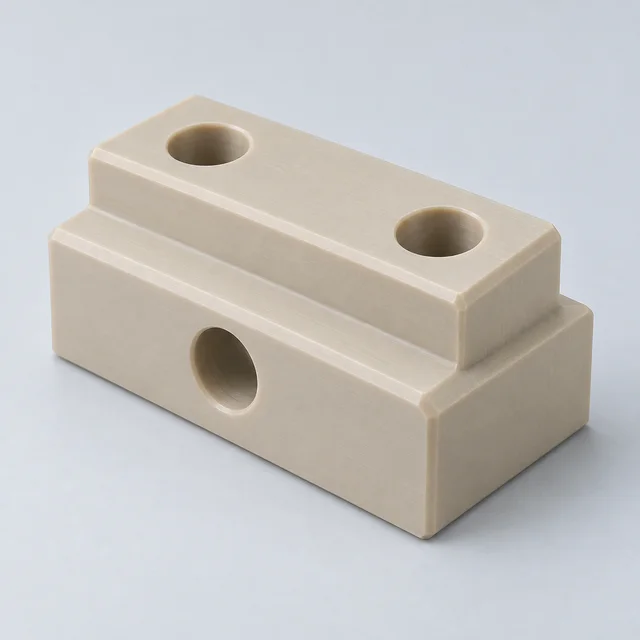
Pockets, slots, holes and complex profiles are produced from sheet, plate or block stock. Plastic CNC milling suits housings, fixture plates and multi-face components; access, corner radii and thin sections should be reviewed before programming.
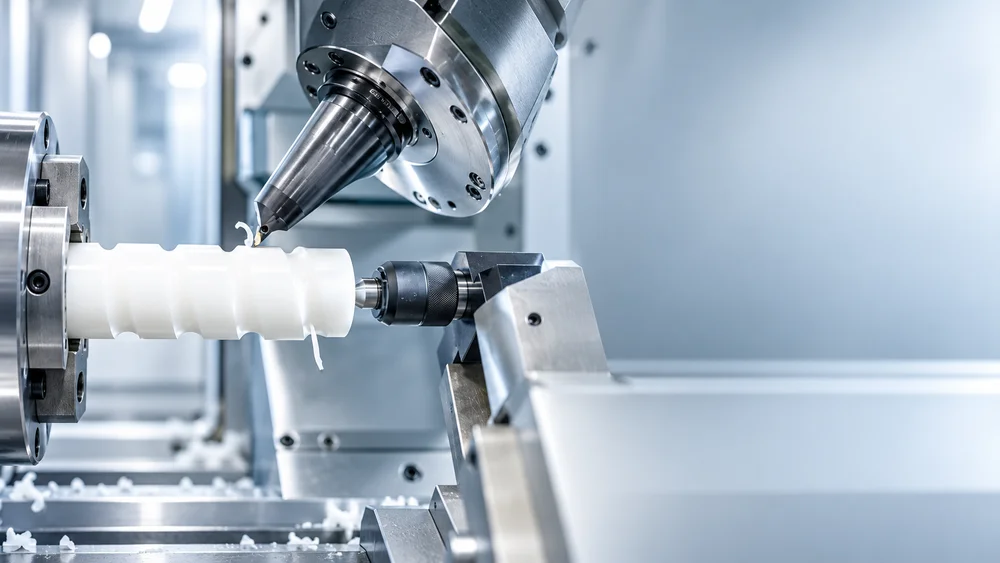
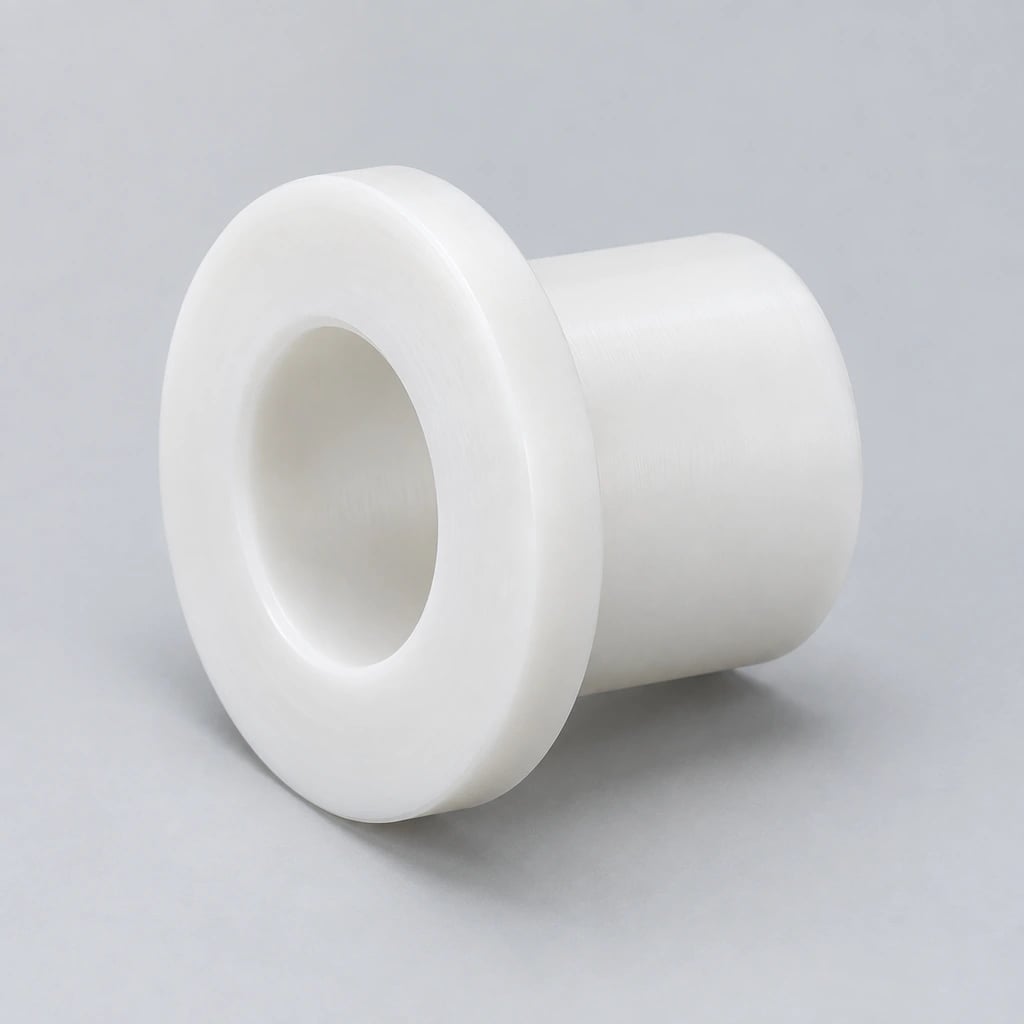
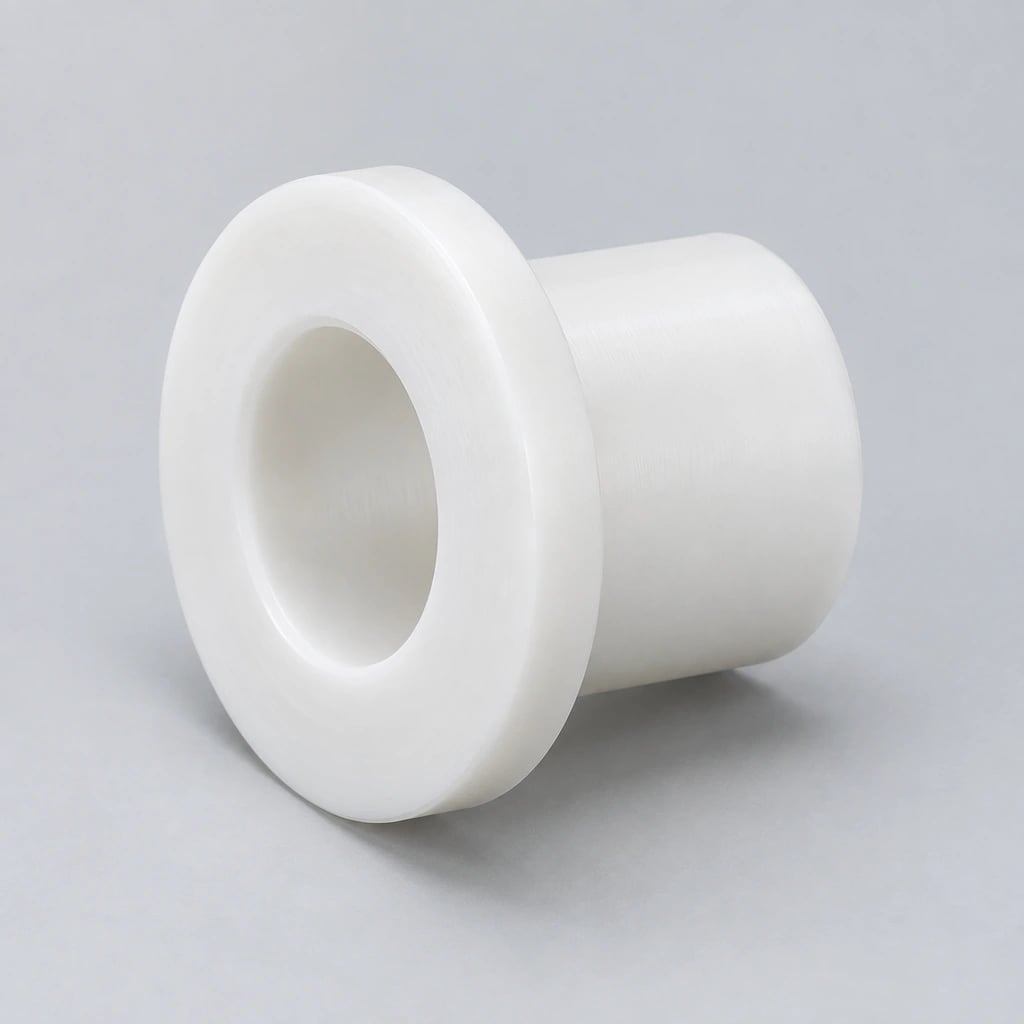
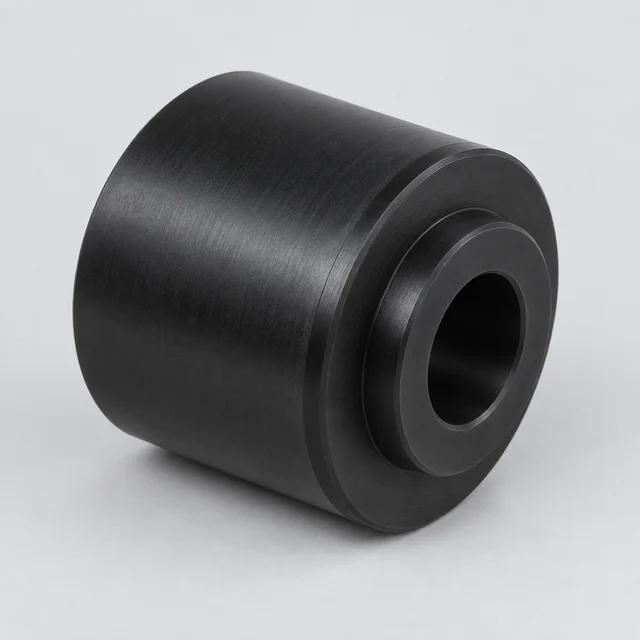
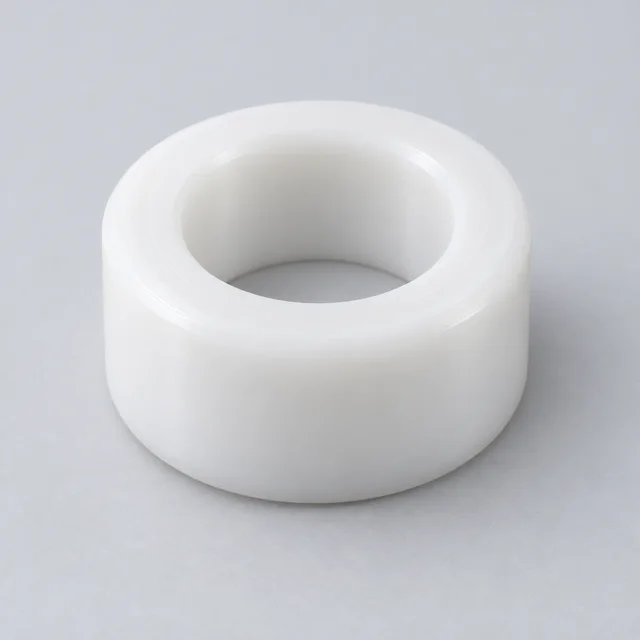
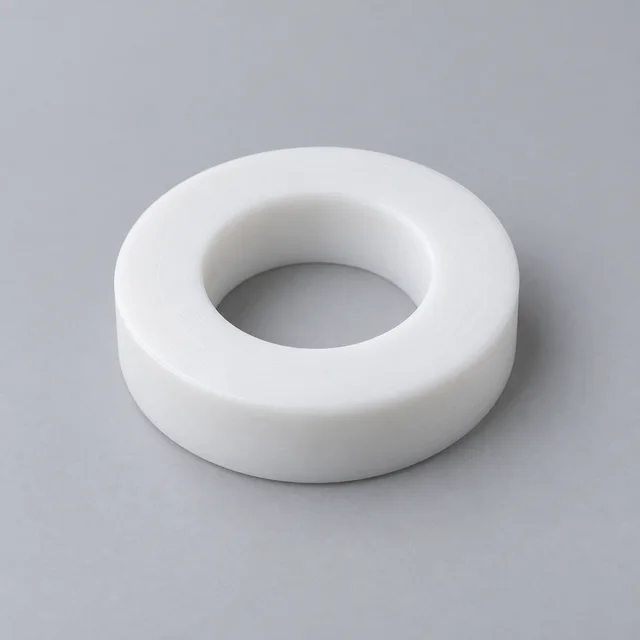
Plastic CNC turning produces bushings, sleeves, rollers, spacers, rings and other cylindrical parts. Bore-to-outer-diameter relationships, threaded features and supported workholding are reviewed together to reduce distortion during cutting.
Multi-axis machining supports compound angles and features on several faces. Fewer setups can improve positional relationships, but machine access, part stiffness and the inspection plan still determine whether this approach benefits your geometry.
Secondary operations include threaded holes, countersinks, counterbores, engraving, inserts and deburring. Polishing is reviewed where applicable. Thread engagement and insert selection should account for assembly loads, creep and repeated installation.
Material selection should match service temperature, media exposure, loads, wear and dimensional requirements. The cards below describe common starting points; grade-specific data and your actual conditions take priority over a general material label.
PEEK
High-temperature performance and chemical resistance make PEEK a candidate for demanding semiconductor, aerospace and industrial components. Specify the resin grade, fillers and operating conditions; unfilled and reinforced grades do not machine or perform identically.
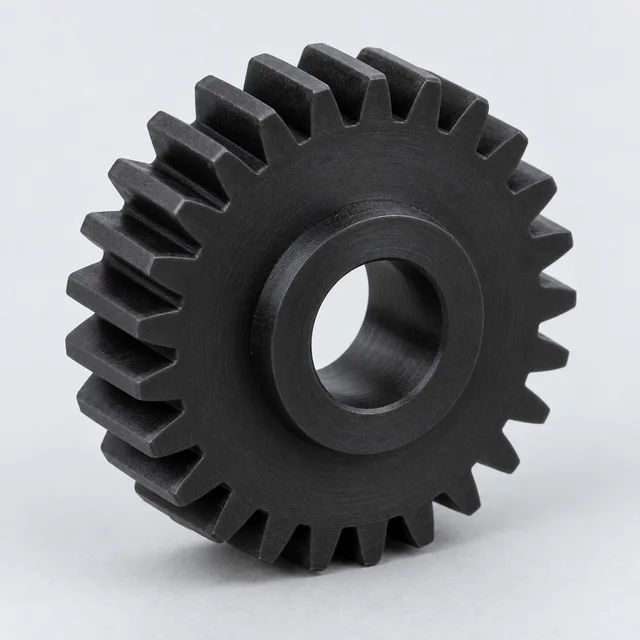
Acetal combines stiffness, low friction and comparatively good dimensional stability for gears, bushings and fixtures. Delrin is an acetal homopolymer brand; identify homopolymer or copolymer rather than treating every POM stock grade as interchangeable.
PTFE is used for chemically resistant seals, fluid-handling components and electrical insulation. Its low stiffness and tendency to creep require careful workholding, measurement and realistic tolerance allocation.
Nylon offers useful toughness and wear performance for gears, rollers, guides and bushings. Moisture absorption can change dimensions, so specify the grade and conditioning environment before defining critical fits.
UHMW-PE is frequently selected for abrasion-resistant wear pads and material-handling guides. Its flexibility and thermal expansion make it a different machining proposition from stiff engineering polymers.
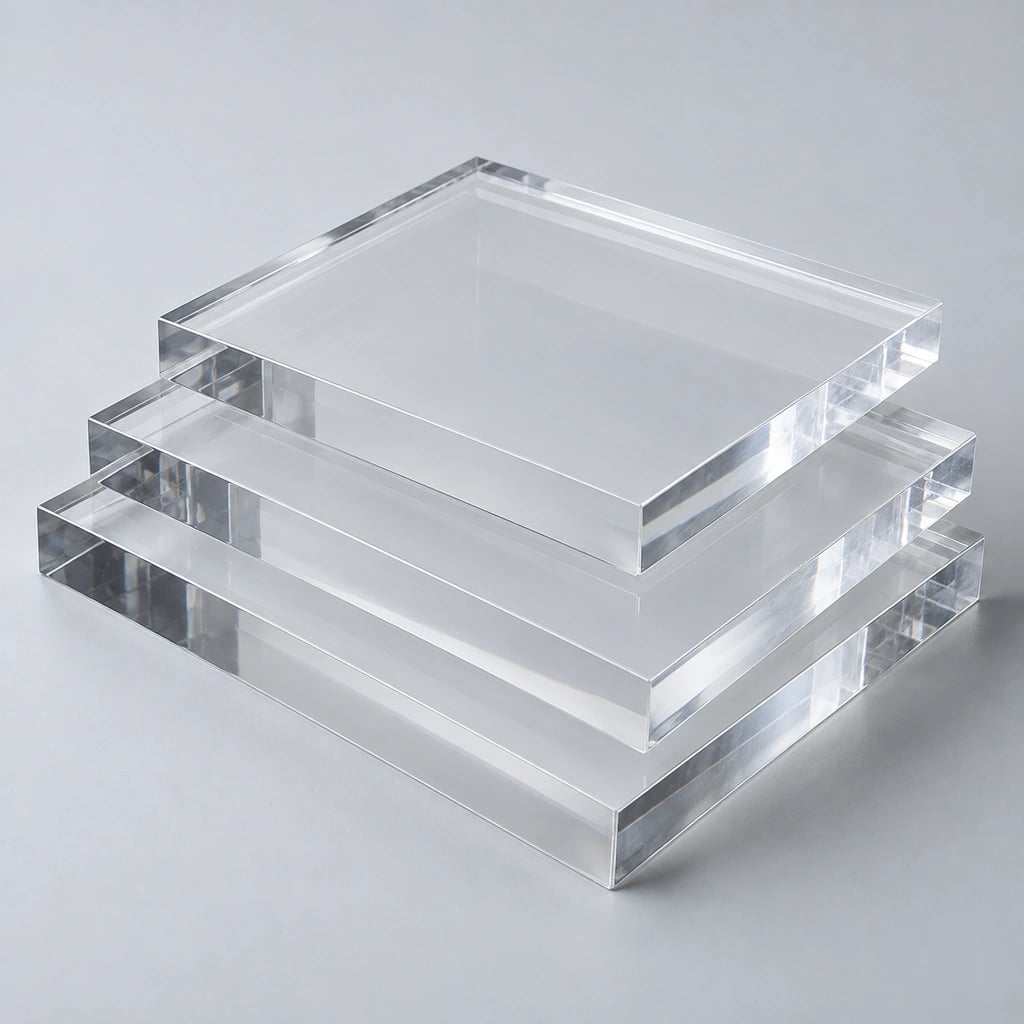
Polycarbonate combines transparency and impact resistance for guards, covers and industrial components. Surface requirements and exposure to cleaners or chemicals need review because scratches and stress cracking can affect suitability.
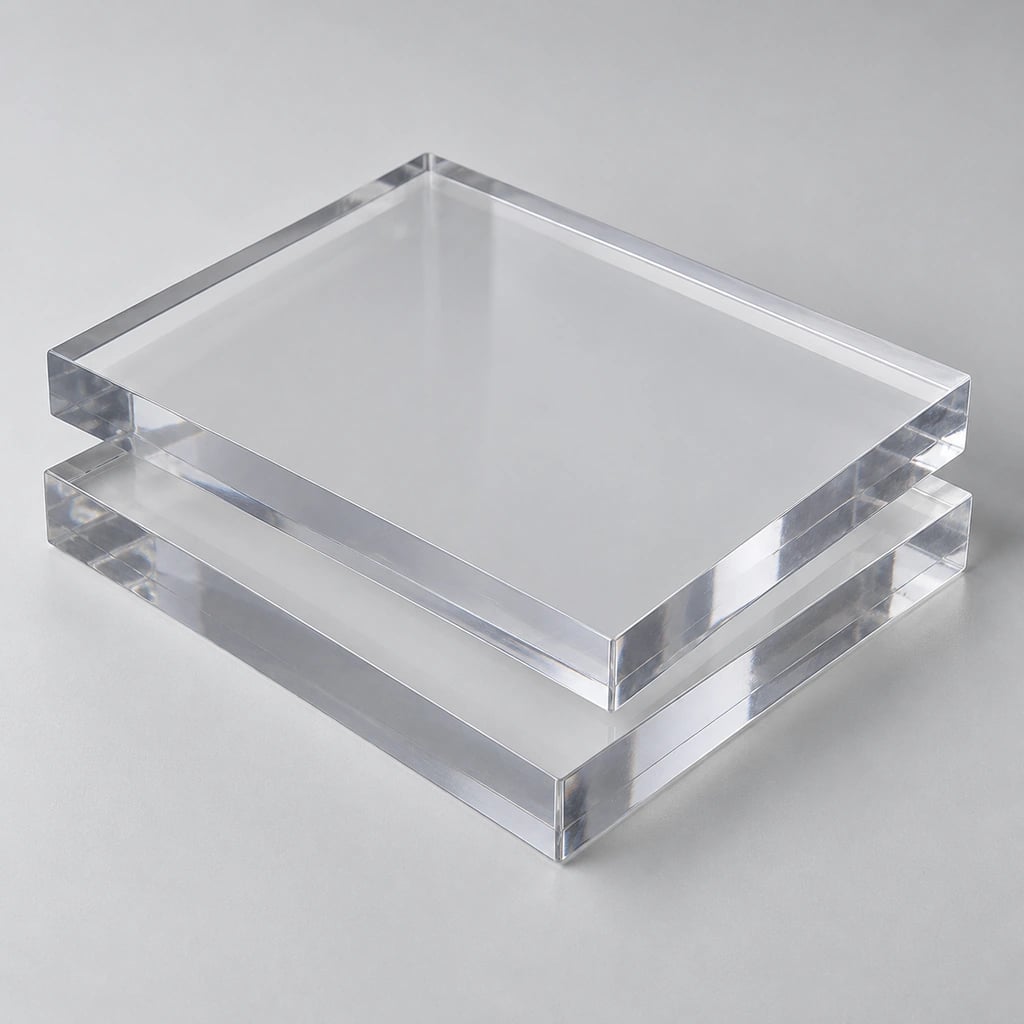
PMMA is useful for transparent covers, displays and components needing controlled optical appearance. Machined faces may need a separately agreed finishing process; machining alone does not guarantee optical clarity.
PEI supports elevated-temperature electrical and structural applications, depending on grade. Verify the specified grade and its supporting compliance documentation rather than assuming every PEI component has an industry approval.
Tough, low-moisture-absorption stock for liners and fluid-handling parts; review expansion and stiffness.
PVC
Rigid components for compatible chemical environments; specify formulation and temperature limits.
PP
Lightweight, chemically resistant parts; review clamping deformation and thermal movement.
PVDF
Chemical-service and semiconductor components where grade purity and media compatibility matter.
Torlon / PAI
High-performance wear and structural components; grade, stock conditioning and post-processing need review.
PPS
Thermally resistant and chemically resistant components, with performance dependent on reinforcement and grade.
PET
Precision mechanical and wear components where dimensional stability and material condition are important.
ABS
Prototype housings and fixtures when toughness, appearance and the intended environment are suitable.
Where a food-contact, medical, flame-rating or other regulated requirement applies, specify the exact standard, grade and required documentation. A polymer family name alone does not establish suitability or certification.
CNC Plastic Machining Tolerances
Achievable tolerances depend on material stability, part geometry, dimensions, wall thickness and inspection conditions. Tight tolerances should be assigned to functional features rather than applied uniformly to the entire component.
Requirement
Guideline
General dimensions
Follow the drawing and the agreed machining standard
Tight tolerance features
Review individually against grade, geometry and function
Thin walls
Assess support, cutting forces and deformation after unclamping
Large plastic parts
Account for thermal expansion and measurement temperature
Nylon parts
Agree moisture conditioning and inspection environment
PTFE / UHMW
Lower stiffness and measurement force can affect apparent dimensions
PEEK / POM
Often suitable for precision features; grade and geometry still matter
Define datums, mating components, fit requirements and measurement methods for critical bores or locating faces. Residual stress can cause movement after material removal, while excessive clamping can produce a part that measures correctly in the fixture and changes after release. An agreed inspection plan should address those conditions rather than relying only on the machine position.
Precision machined plastic components are manufactured to the geometry and functional requirements in your drawing. These component families show the types of features to discuss during an RFQ; they are not fixed catalog dimensions.
Plastic Bushings
Bore fits, lubrication conditions and shaft clearance determine the drawing requirements.
Why CNC Machining Plastics Requires Specialized Process Control
Polymers respond differently from metals to heat, pressure and environmental exposure. Engineering plastic machining therefore requires a material-specific process and inspection strategy.
Heat Management
Many plastics have relatively low thermal conductivity. Excessive cutting heat can soften local surfaces, affect chips and change dimensions; tool condition, chip evacuation and suitable cutting conditions matter.
Workholding
Soft or flexible stock can distort under excessive clamping pressure. Support surfaces and fixture forces should hold the part securely without imposing a shape that disappears after release.
Material Stability
Stock stress may be released when pockets or asymmetric features are cut. Balanced removal, suitable stock condition and staged checks can help identify movement before final inspection.
Moisture Absorption
Nylon and certain other polymers absorb moisture. Dimensions and properties can change between dry inspection, shipment and use, making conditioning and environmental assumptions important.
Machining parameters, workholding, stock condition and inspection strategy should be selected for the specific polymer rather than copied directly from metal machining practices.
CNC Plastic Machining from Prototype to Production
The production route can evolve with the design and demand. Share both the immediate quantity and anticipated repeat orders so setup, stock purchasing and inspection effort can be reviewed together.
01
Prototype Machining
Functional prototypes can be machined without a dedicated injection mold. Use the specified plastic grade where possible to evaluate fit, assembly and performance, and keep revisions identified as the design develops.
02
Low-Volume Production
Small batches suit specialized equipment, bridge production and replacement parts. Setup and stock costs remain relevant, so compare quoted batch quantities rather than assuming a single-piece price scales linearly.
03
Repeat Production
Recurring orders benefit from controlled drawing revisions, material specifications and inspection requirements. Define acceptance criteria and packaging expectations before the first repeat batch so comparisons remain meaningful.
CNC Machined Plastic Parts for Industrial Applications
Applications determine the grade, geometry and evidence required for a part. Describe the working environment, mating surfaces and cleaning or installation requirements when requesting plastic machining services.
Semiconductor
PEEK, PTFE, PVDF and PEI may be considered for fixtures, insulators and compatible fluid-handling parts. Specify contamination, purity and chemical requirements; machining capability alone does not establish cleanroom suitability.
Medical Equipment
Housings, fixtures, insulators and functional components can support equipment projects. Patient contact, sterilization and regulatory requirements need grade-specific evidence and project validation.
Aerospace
Lightweight polymer spacers, brackets and insulation components require review of temperature, loads and the drawing specification. Do not substitute a generic polymer for a specified approved grade.
Automation & Robotics
Gears, guides, rollers, bushings and fixtures support motion and handling functions. Consider duty cycle, friction, mating materials and replacement accessibility.
Electronics
Insulating spacers, housings and test fixtures need review of dielectric, temperature and flame-related requirements. Specify the applicable rating and documentation when relevant.
Industrial Machinery
Wear parts, guides, rollers and structural components operate under different loads and media exposure. Supply operating temperature, installation details and expected wear behavior for review.
Inspection & Quality Control for CNC Plastic Parts
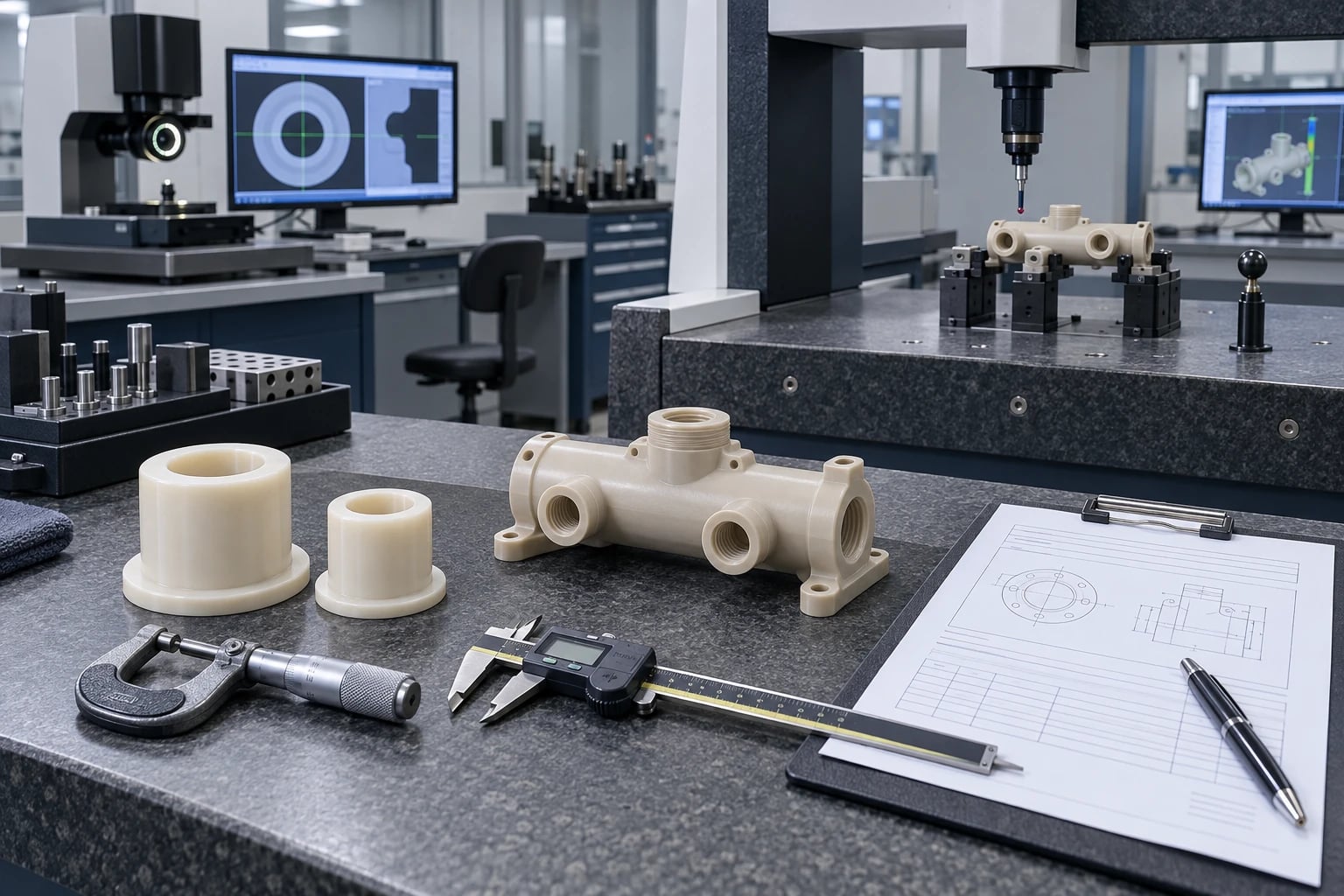
Inspection should verify the customer drawing under agreed conditions. The measurement method, timing and reporting scope are selected for the material and critical features rather than assumed from a generic quality claim.
Manufacturing illustration; not a photograph of a verified TOPS inspection record.
Material Confirmation
Confirm the requested grade and specification against the order. Identify any required material documentation before stock is purchased.
First Article Inspection
Review specified critical dimensions on the first part before continuing the batch, according to the agreed inspection plan.
In-Process Inspection
Monitor selected dimensions during manufacturing where required. Checks can help identify tool wear, heat-related movement or fixture-related variation.
Final Inspection
Verify applicable drawing requirements before shipment, including critical fits and agreed appearance criteria. Use measurement force and environmental conditions appropriate to the polymer.
Inspection Reports
Request dimensional reports and their format during quotation. CMM, optical measurement, calipers or micrometers are selected where suitable; equipment and report availability must be confirmed for the project.
For shipment inspection, confirm protective packaging, identification and any required report delivery. Installation preparation may include agreed cleaning, deburring and fit checks; these must be defined in the scope rather than assumed.
Why Choose TOPS Plastics for CNC Plastic Machining?
A useful supplier discussion connects the drawing to material behavior, manufacturing access and measurable acceptance criteria. These are the areas to review with our team when evaluating a custom project.
Engineering Plastic Expertise
Discuss stiffness, wear, thermal movement and grade selection alongside the component geometry.
CNC Milling, Turning & Multi-Axis Capability
Review a machining route that matches rotational features, pockets and multiple-face relationships.
Prototype to Production Support
Plan functional samples, smaller batches and recurring supply around identified drawing revisions.
Drawing-Based Custom Manufacturing
Use the CAD model together with annotated dimensions, tolerances, datums and assembly requirements.
Material & DFM Support
Review wall thickness, tool access, thread engagement and whether critical features are inspectable.
Quality Inspection
Agree the important measurements, inspection conditions and documentation before production.
How We Manufacture Your CNC Plastic Parts
The workflow translates your requirements into a reviewed manufacturing and delivery scope. Each stage should use the same drawing revision and agreed material specification.
01
Send CAD / Drawing
Supply the model, annotated drawing, revision, quantity and application.
02
Engineering Review
Review tool access, wall thickness, critical tolerances and missing requirements.
03
Material Selection
Confirm grade, stock form and any required supporting documentation.
04
CNC Programming & Machining
Select workholding, machining sequence and cutting conditions for the polymer.
05
Inspection
Check specified features using the agreed methods and conditions.
06
Packaging & Delivery
Protect finished surfaces, identify parts and arrange the agreed shipment.
CNC Plastic Machining vs Injection Molding
CNC machining is often practical for changing designs and smaller quantities; injection molding can be more economical for stable, higher-volume demand. Compare total project cost, material options and acceptance requirements rather than choosing on unit price alone.
Factor
CNC Plastic Machining
Injection Molding
Tooling
Usually no dedicated mold; fixtures may be needed
Dedicated mold normally required
Initial Cost
Often lower for smaller quantities; geometry affects setup
Tooling investment before production
Prototype Speed
Avoids mold manufacture; stock and complexity affect timing
Tooling can extend initial development
Design Changes
Update model and machining program; setups may change
Tool changes or replacement may be needed
Low Volume
Often a practical option
Tooling cost may dominate small batches
High Volume
Machining time can limit economics
Often efficient once tooling is established
Material Selection
Machinable engineering-plastic stock grades
Resin grade and molding process must be compatible
Tight Features
Selective precision features can be reviewed individually
Depends on tool design, shrinkage and process control
A molded component can also receive secondary machining on critical features. If you are evaluating a future transition to molding, account for draft, wall thickness, shrinkage and the different properties of stock versus molded material.
These answers address common supplier-selection and quotation questions. Drawing-specific feasibility and commercial terms are confirmed during engineering review.
What plastics can be CNC machined?+
Many thermoplastics can be machined from appropriate stock, including PEEK, POM, PTFE, Nylon, UHMW-PE, PC, PMMA, PEI, PVDF, HDPE, PP, PVC, PPS, PET, PAI and ABS. Grade, fillers, available stock sizes and the working environment determine suitability. Send the specified grade or describe the application if material selection is still open.
What tolerances can CNC plastic machining achieve?+
There is no reliable tolerance promise covering every polymer and geometry. Part size, wall thickness, temperature, moisture, residual stress and measurement method all influence results. Mark critical functional features and provide the inspection conditions so feasibility can be assessed individually.
Is CNC machining suitable for PEEK and PTFE?+
Yes, both can be machined, but they need different approaches. PEEK is comparatively stiff and often suitable for precision mechanical features. PTFE is softer and more prone to deformation or creep; workholding pressure, measurement force and tolerance expectations should reflect this behavior.
What is the difference between machining plastic and machining metal?+
Polymers generally conduct heat less effectively, expand more with temperature and can deform more under clamping loads. Some absorb moisture or release stock stress after machining. Tooling, cutting conditions, support and inspection should therefore be selected for the polymer, rather than copied from metal machining settings.
Is CNC machining suitable for plastic prototypes?+
CNC machining is useful for functional prototypes because it can use the specified engineering plastic without first building a dedicated injection mold. It allows fit checks and design changes. A machined prototype does not automatically reproduce the properties or residual stresses of a future molded part, so validation should reflect the intended production process.
What is the minimum order quantity for custom plastic parts?+
Quantity is reviewed with the drawing, material availability, setup complexity and inspection requirements. Send the prototype quantity and anticipated repeat demand; the quotation will state the proposed supply quantity and commercial terms. No universal minimum is assumed for every part.
What CAD files can I send for quotation?+
Provide STEP/STP, IGES or X_T for the 3D geometry and a PDF, DWG or DXF drawing for dimensions, tolerances, datums, threads and finish requirements. Include the revision identifier. A 3D model without annotated requirements is often insufficient for an accurate quotation.
How do you prevent warping in machined plastic parts?+
The approach may include suitable stock selection, balanced material removal, supported workholding, controlled cutting heat and intermediate dimensional checks. Stress-relief or conditioning is considered when suitable for the grade and project. Inspection timing and temperature should be agreed because dimensions can change after unclamping or environmental exposure.
YOUR DRAWING. A CLEAR NEXT STEP.
Get a Quote for CNC Machined Plastic Parts
Send us your drawing or CAD model and include the plastic material, quantity, tolerances, surface requirements and application information. Our team will review manufacturability and provide a quotation based on your project requirements.
Include mating-part information and working conditions for critical fits. If a material is not yet selected, describe temperature, loads and media exposure. Indicate which requirements are mandatory and which may be discussed during DFM review.
STEP / STP / IGES / X_T / DWG / DXF / PDF or a ZIP package. One attachment, maximum 10 MB. Larger files can be shared by email. Do not upload confidential information without agreeing the appropriate handling arrangements.